Jeju Bonte Museum Ticket


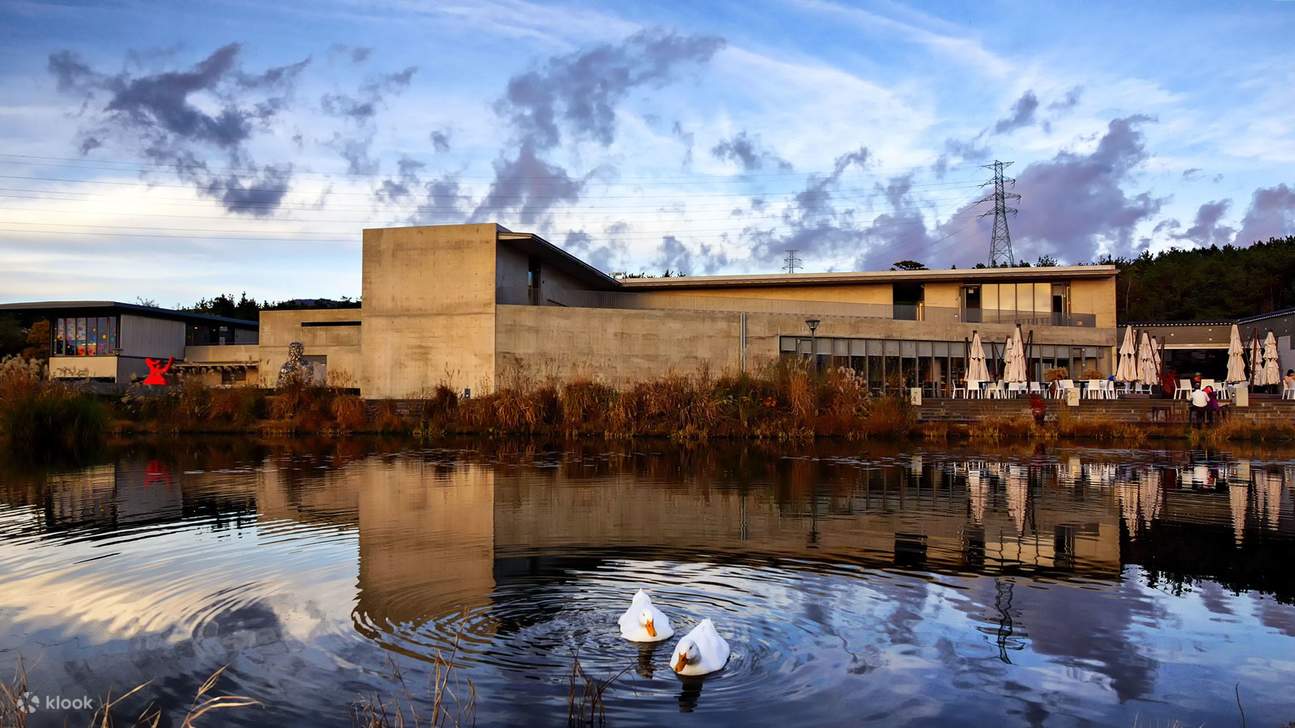
- The word "bonte" means "original form and as the museum name signifies, bonte museum was established to pursue the original beauty of humankind. The museum is located in Jeju, a place that still maintains its original beauty.
- Special exhibitions of various subjects including nature & architecture, tradition & present, and the world & Korea are on display
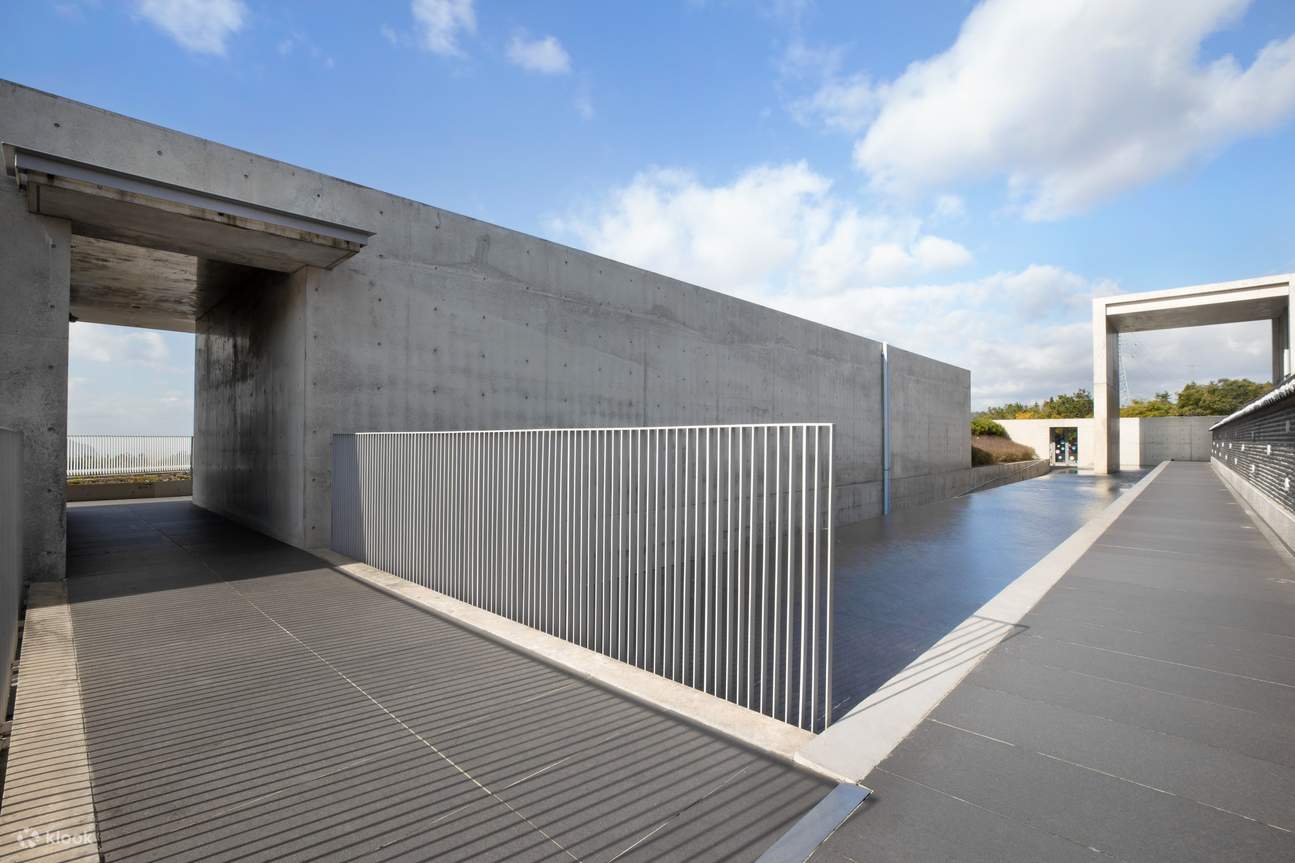
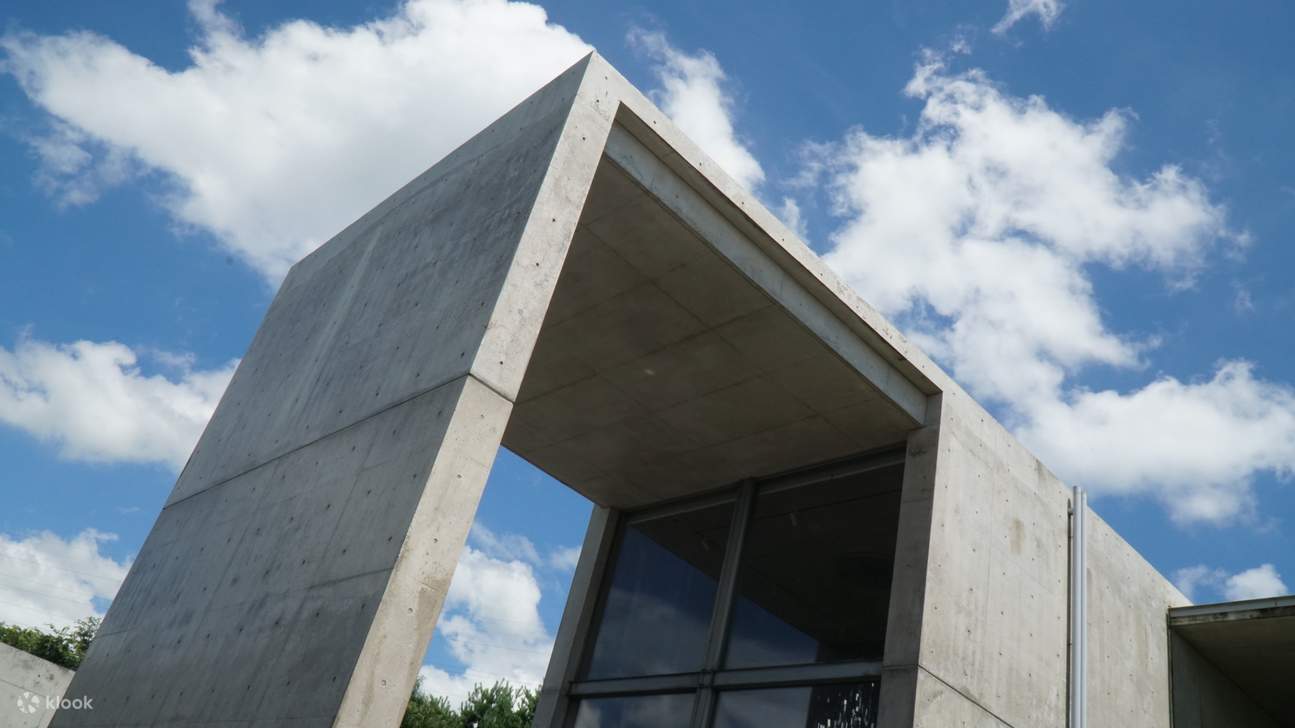
- Bonte museum is located in a famous building designed by a world-renowned architect Tadao Ando, winner of the 1995 Pritzker Architecture Prize also known as the Nobel Prize of architecture. The museum is considered one of his masterpieces.
- Architectural elements incorporate light and water, which blend naturally with the exposed concrete structure reminiscent of marble.
What to expect
Bonte Museum Opening Exhibition: In Search of Beauty
The word ‘bonte’ denotes inherent form, and true to its name, Bonte Museum was founded to explore the innate beauty of humankind in 2012 on Jeju Island, noted for its superb natural scenery. The museum inquires into the future value of traditional Korean handicrafts through its extensive collection, communicates with contemporaries, and seeks to share the beauty of Korea’s traditional culture with the international community. The exhibition commemorating the opening of the museum will present traditional Korean handcrafts and artworks that the founder collected over the past 30 years, including portable dining tables (soban), wrapping cloths (bojagi), wooden furniture, embroidery, personal ornaments, and earthenware.









Good to know
Architect Ando Tadao
Bonte Museum was designed by world-renowned architect Ando Tadao, who won the Pritzker Architecture Prize (1995), often referred to as the Nobel Prize of architecture. His intent in designing the museum was to embody ‘tradition and modernity that conform to the natural environment of Jeju Island.’ Ando puts the traditional Korean handicrafts that have the breath of nature and warm colors in his trademark concrete walls, creating an atmosphere of a simple, bland wooden building. The refined lines of his architecture and the traditional walls softly connect the traditional and modern spaces.
gallery 1 gallery 1 exhibits traditional Korean handicrafts. The first and second floors are connected seamlessly to allow viewers to visit each room without having to pass through any hallways. This simple, humane space showcases traditional Korean handicrafts such as many different types of portable dining tables, wooden furniture, and wrapping cloths that display both flamboyance and simplicity, and both classicality and unconventionality.
gallery 2 gallery 2 showcases contemporary artworks. This open space with deep eaves and high ceiling is linked to the main exhibition hall. Inside are contemporary artworks by Salvador Dali, Yves Klein, Fernand Léger, and others. There is also Ando Tadao’s Meditation Room. Through plate glass windows, a breathtaking scene of the sea of Jeju Island unfolds with Mt. Sanbang, Moseulbong Peak, Hyeongje Island, and Marado Island.
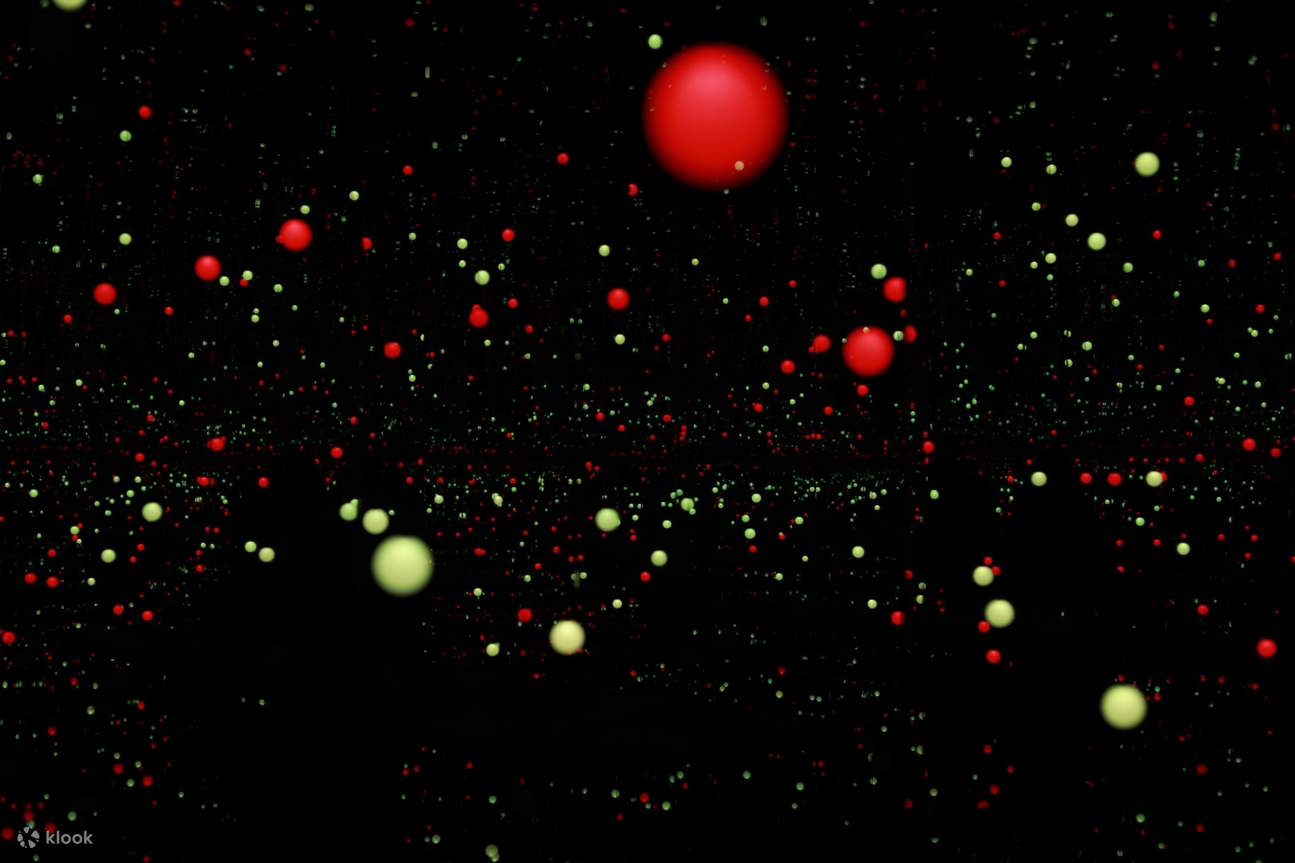
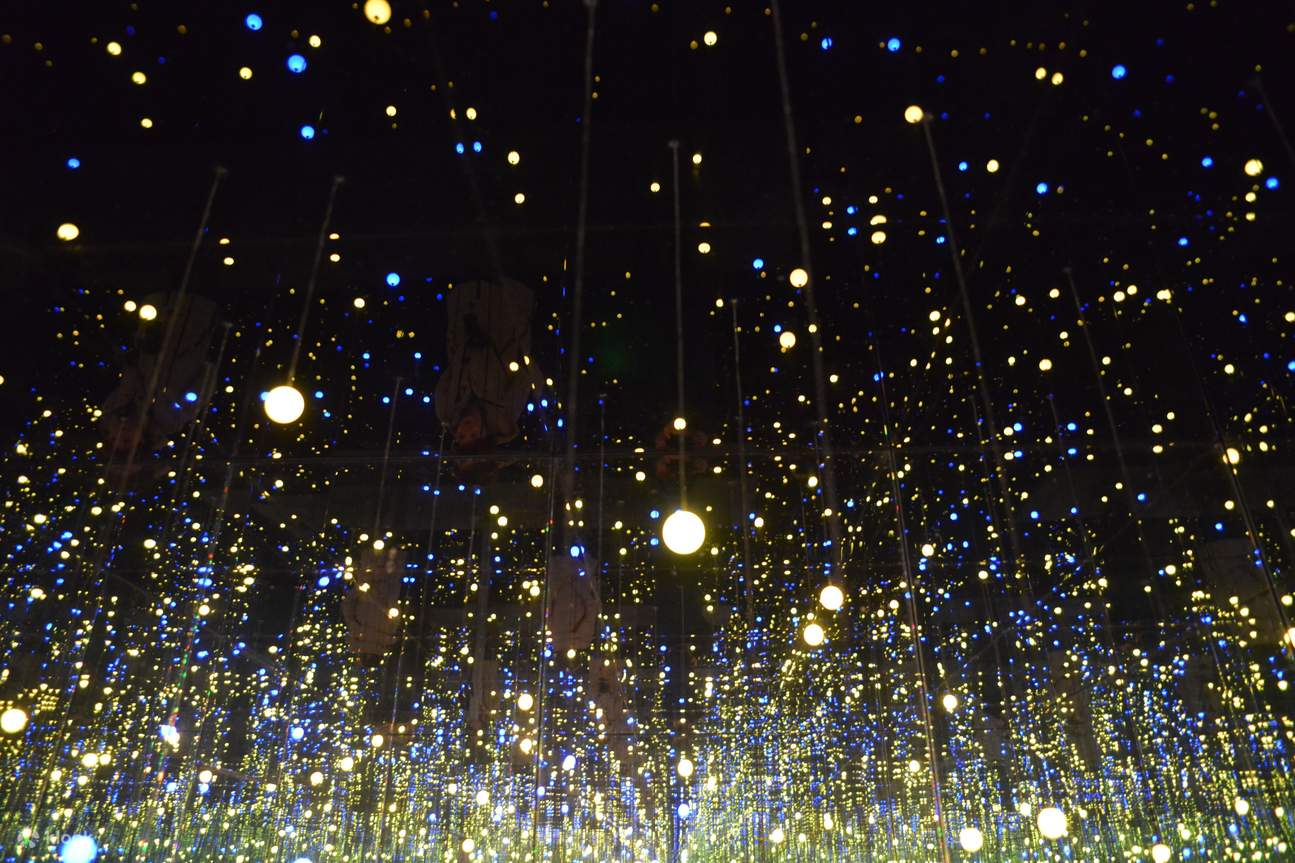
gallery 3 gallery 3 is dedicated to permanent display Yayoi Kusama’s works, Pumpkin and Infinity Mirrored Room - Gleaming Lights of the Souls.
gallery 4 gallery 4 features the special exhibition, Carriage to Heaven - the Aesthetic of Flower Sangyeo and Kkokdu. Visitors will be able to view sangyeo, a traditional funeral bier, which has been preserved in a near-perfect state together with kkokdu, which are sculptural pieces decorating the sangyeo.
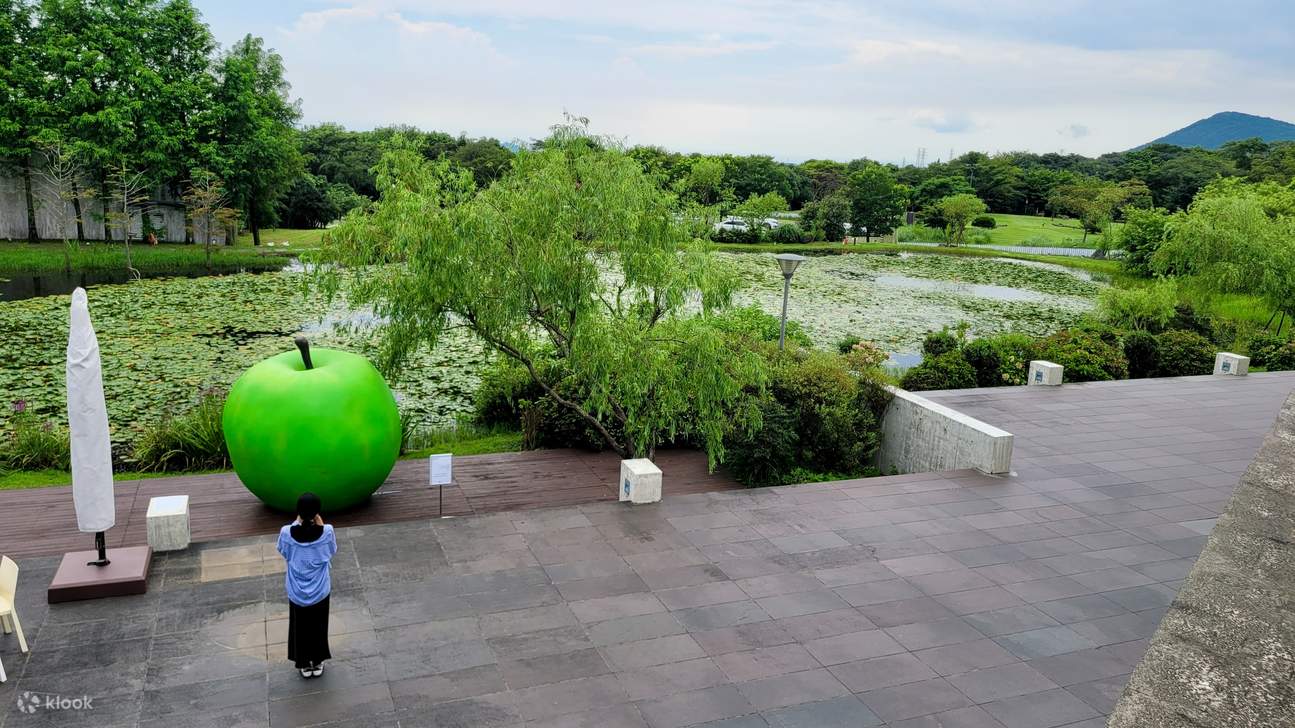
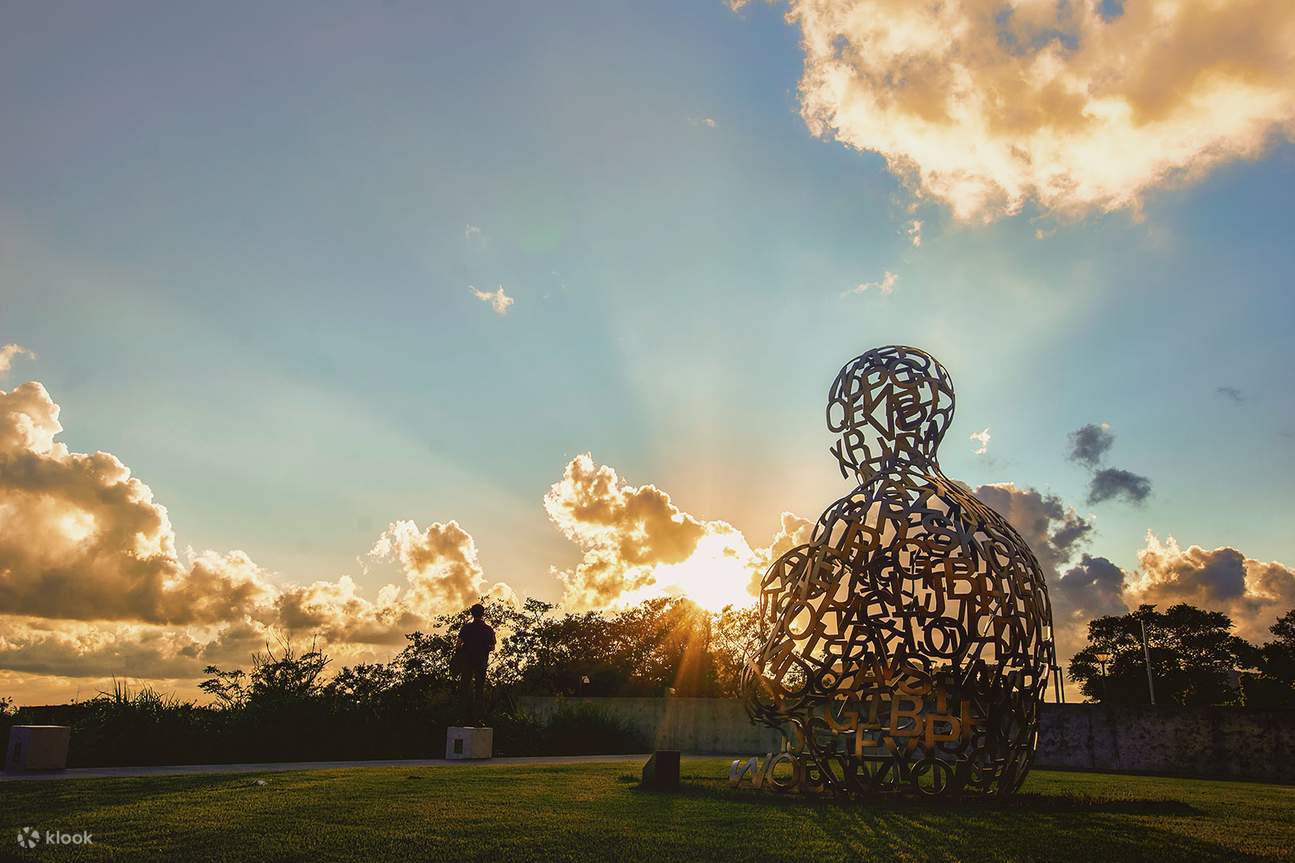
Sculpture Garden Visitors can take a stroll in the spacious Sculpture Garden. It presents Rotraut Klein-Moquay’s Gitane, a dancing figure that expresses the harmony between man and nature, and Jaume Plensa’s visitor-accessible Children’s Soul, which allows visitors to take pictures inside or to pass through it.
Location