Learn Japanese calligraphy and Zen while wearing a kimono

4.4 / 5
18 reviews
100+ booked
SAMURAI HONOR
Save to wishlist
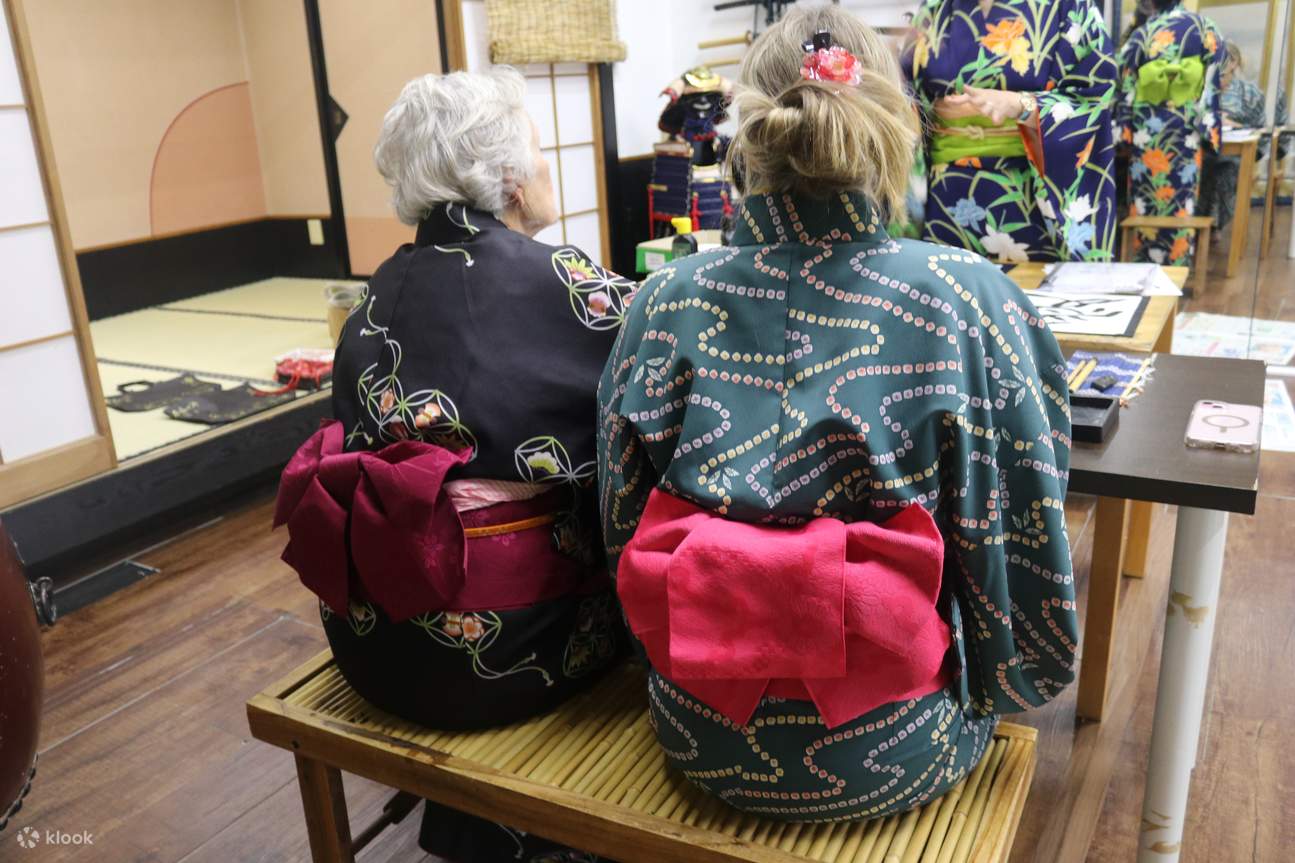
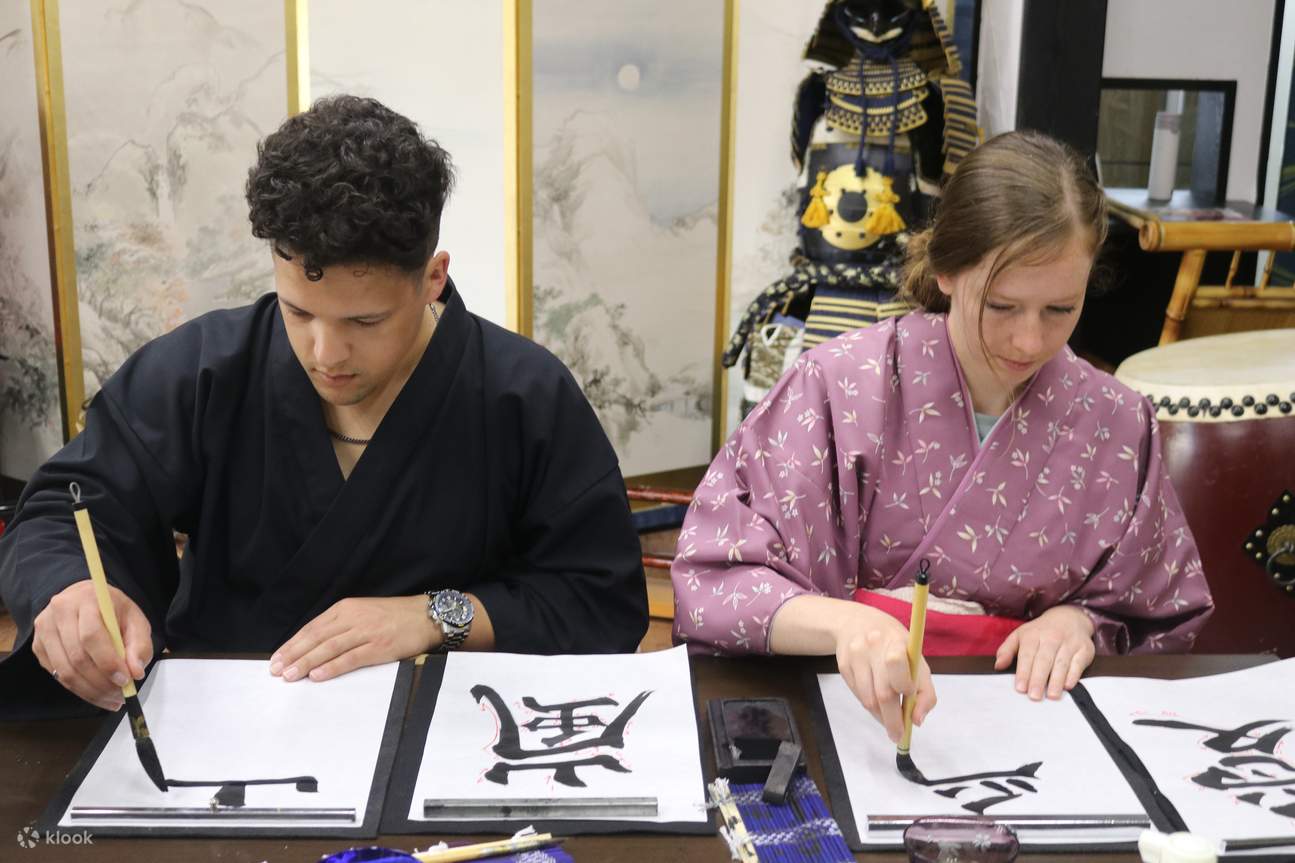
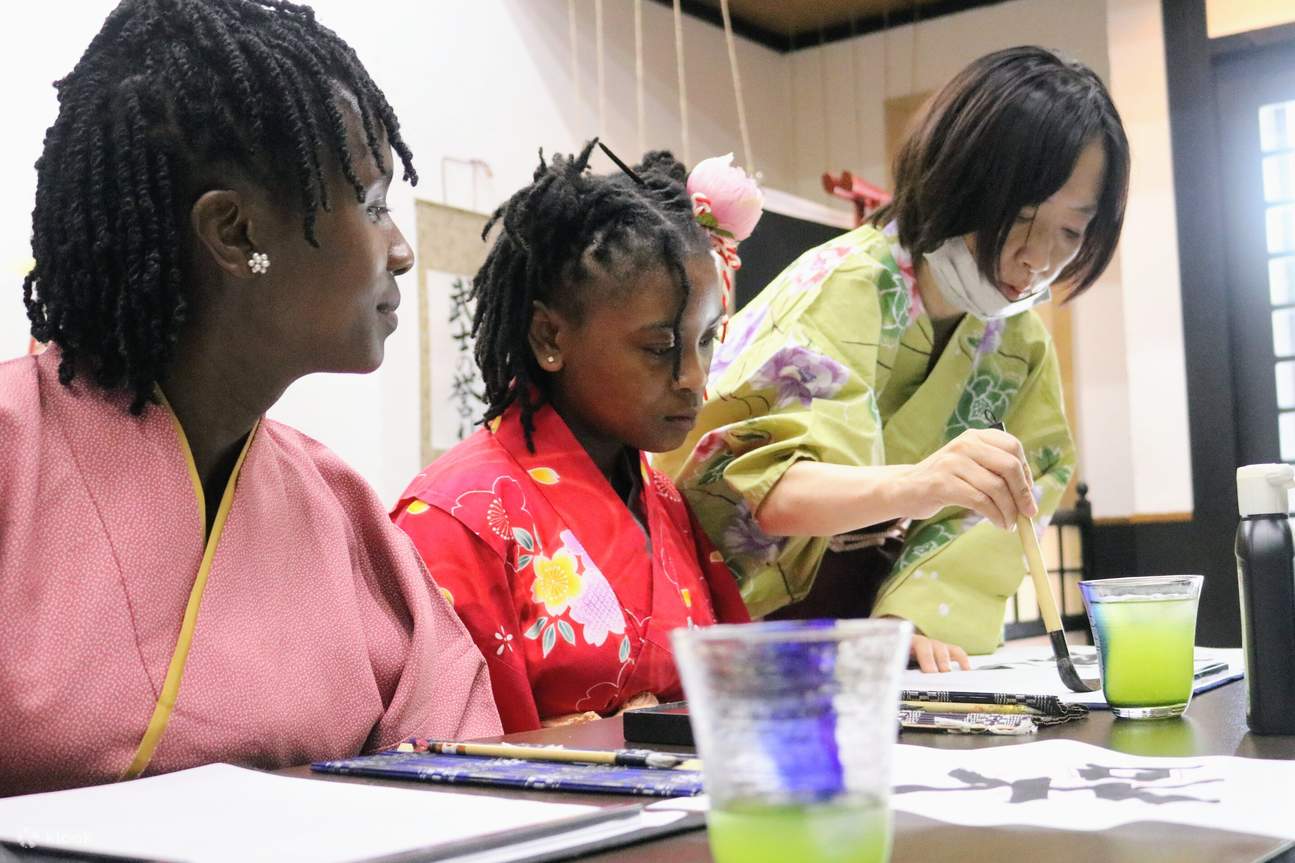
  • 【Preparation】 We will ask you to change into Japanese traditional clothes
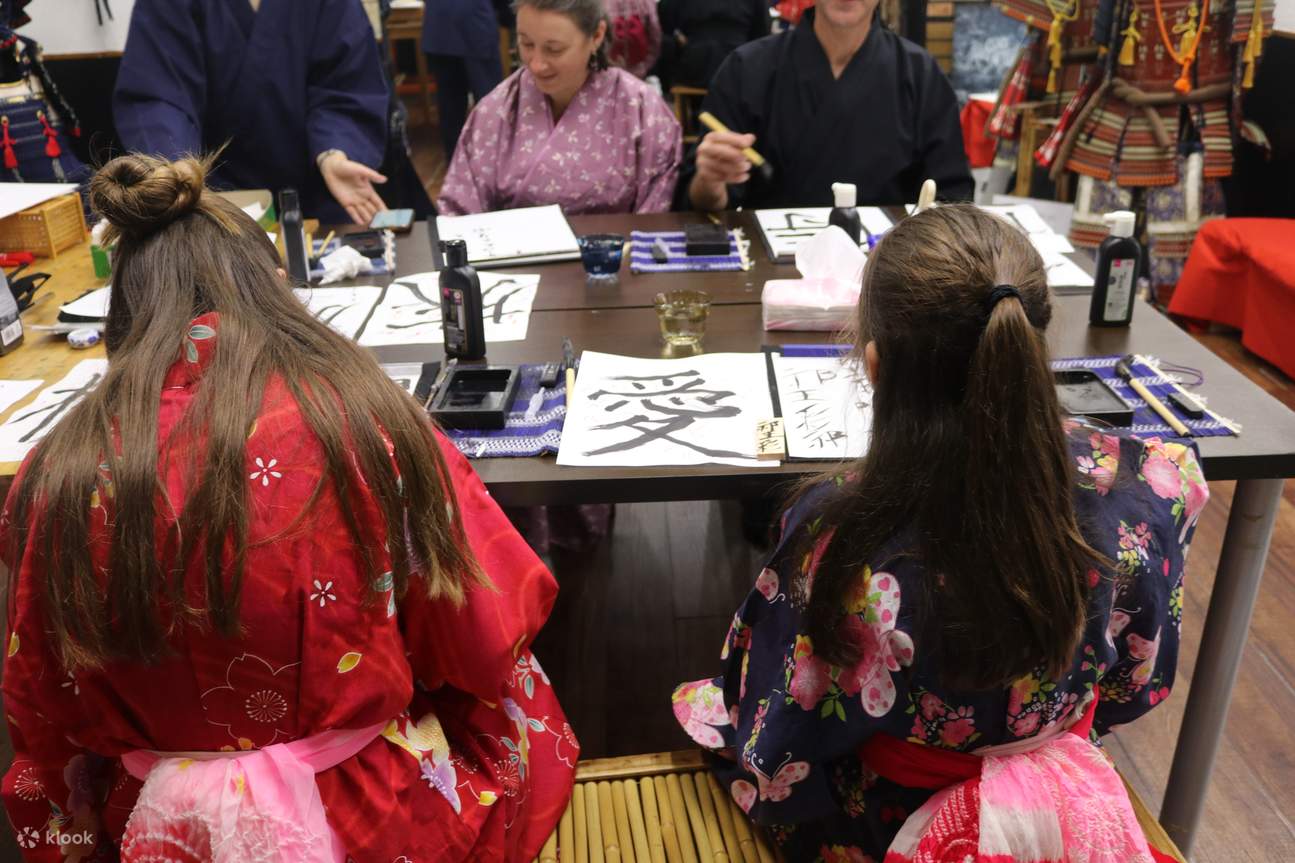
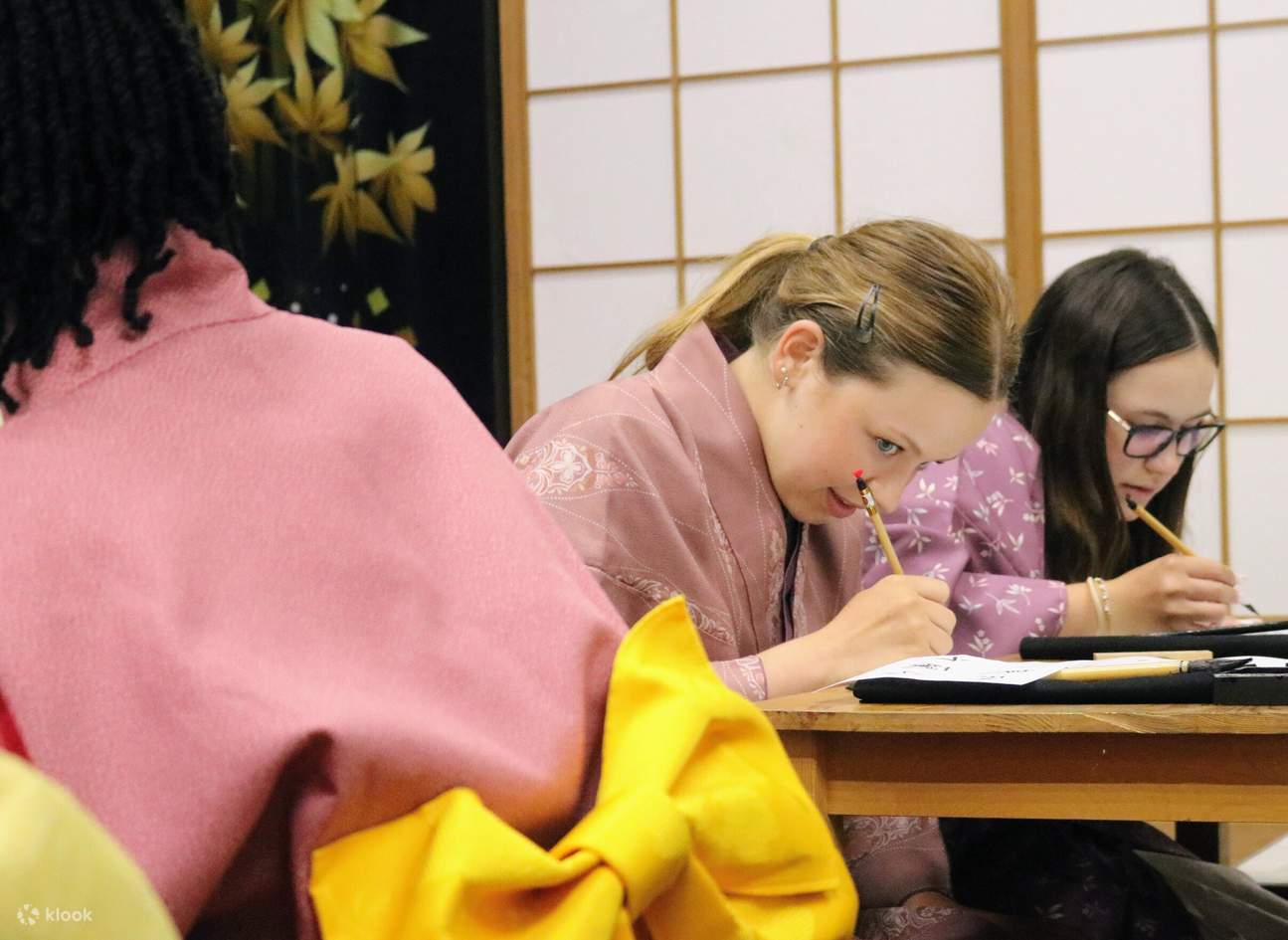
  • 【Practice】Calligraphy has a delicate sense of beauty
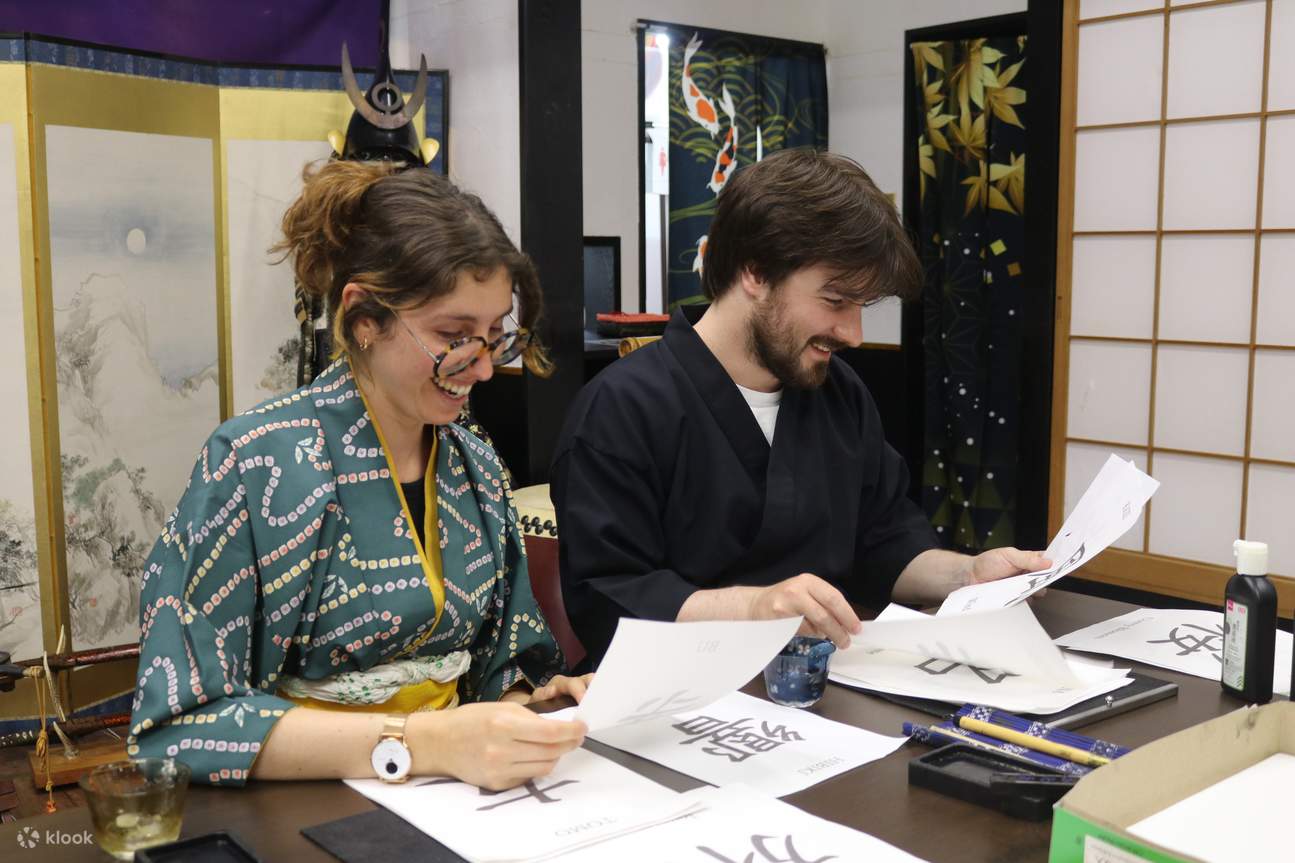
  • 【Special】The teacher has applied kanji to the foreign name of a client and come up with a Japanese-style name written in kanji
  • 【Seisaku】You will be asked to write the kanji you have chosen on the calligraphy paper, keeping in mind what you have learned so far
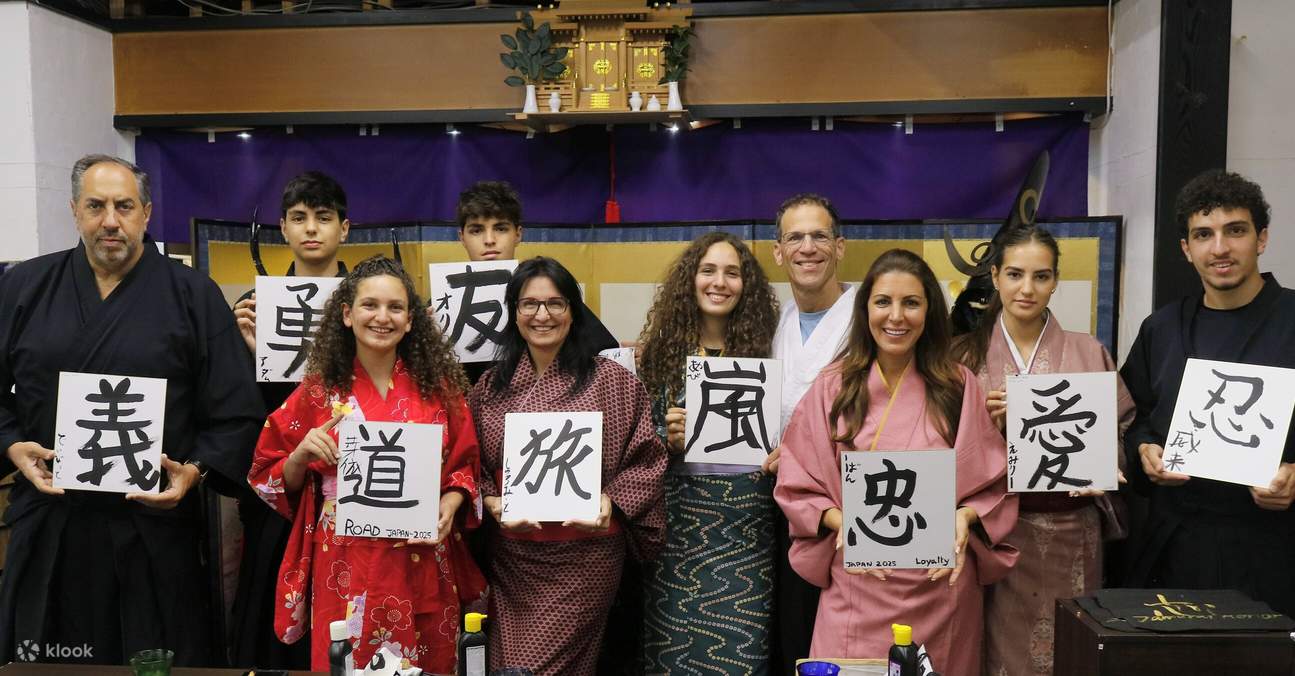
  • 【Photo Shooting】We will take photos of you and your artwork
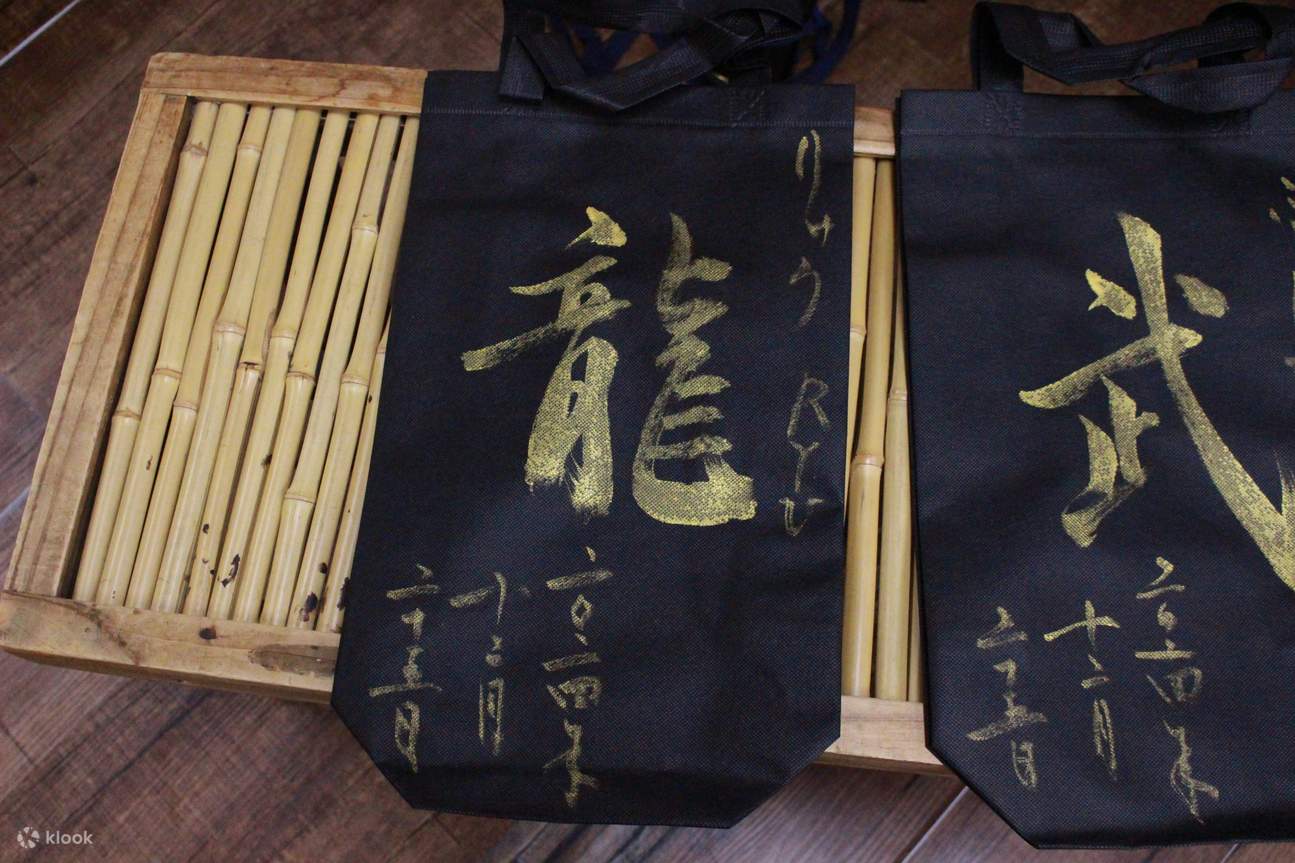
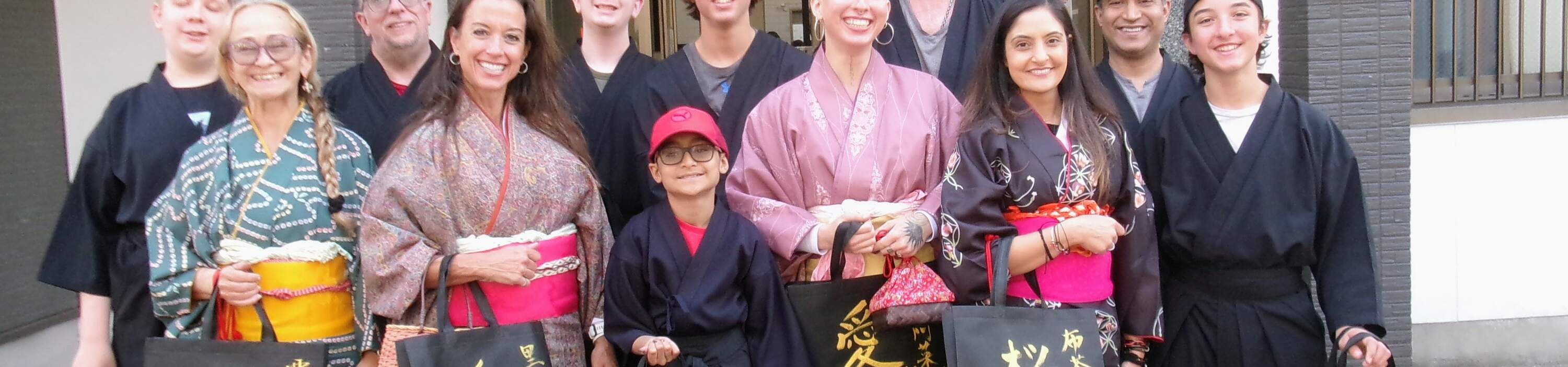
  • 【Souvenirs】We will write your artwork on the bag of the teacher's original work and your name in japanese characters on the wooden tag

What to expect

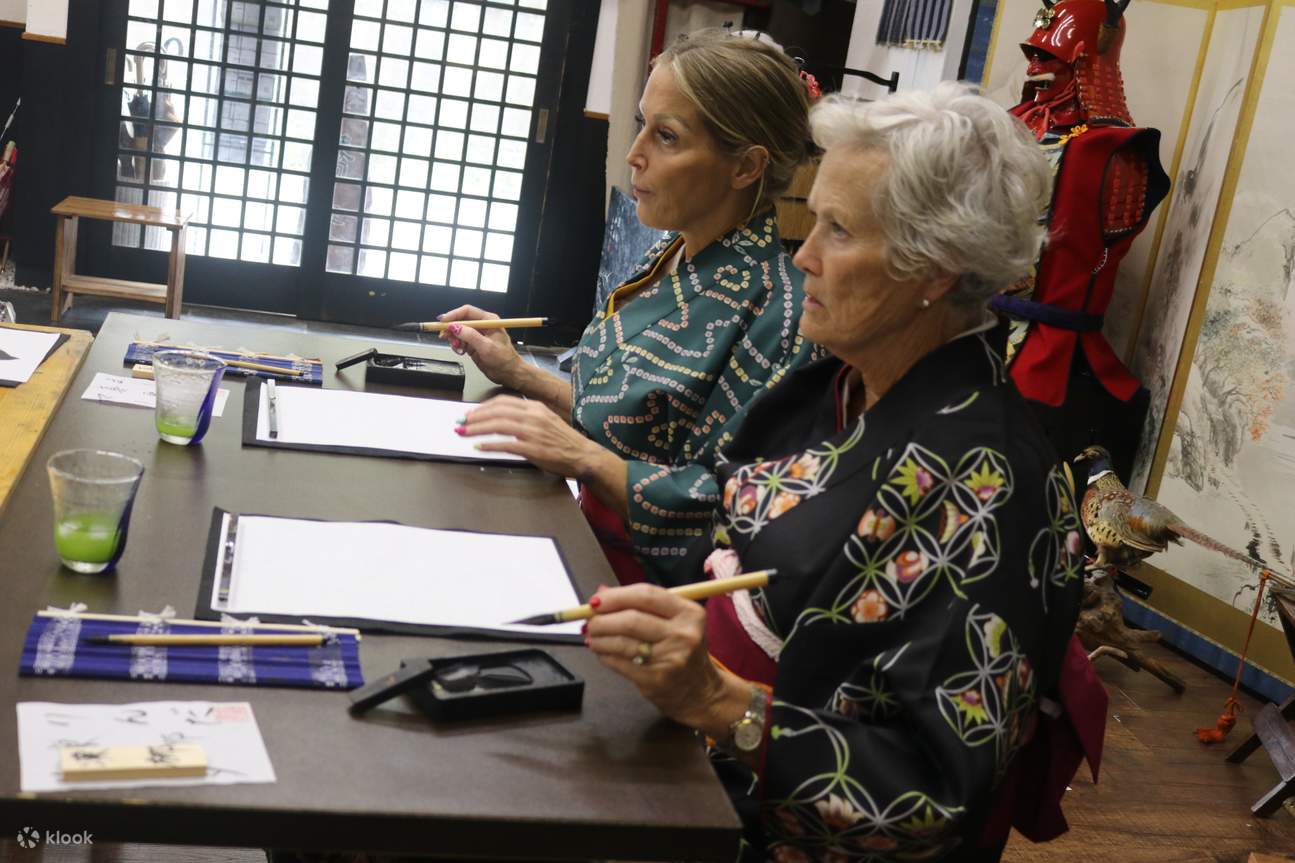
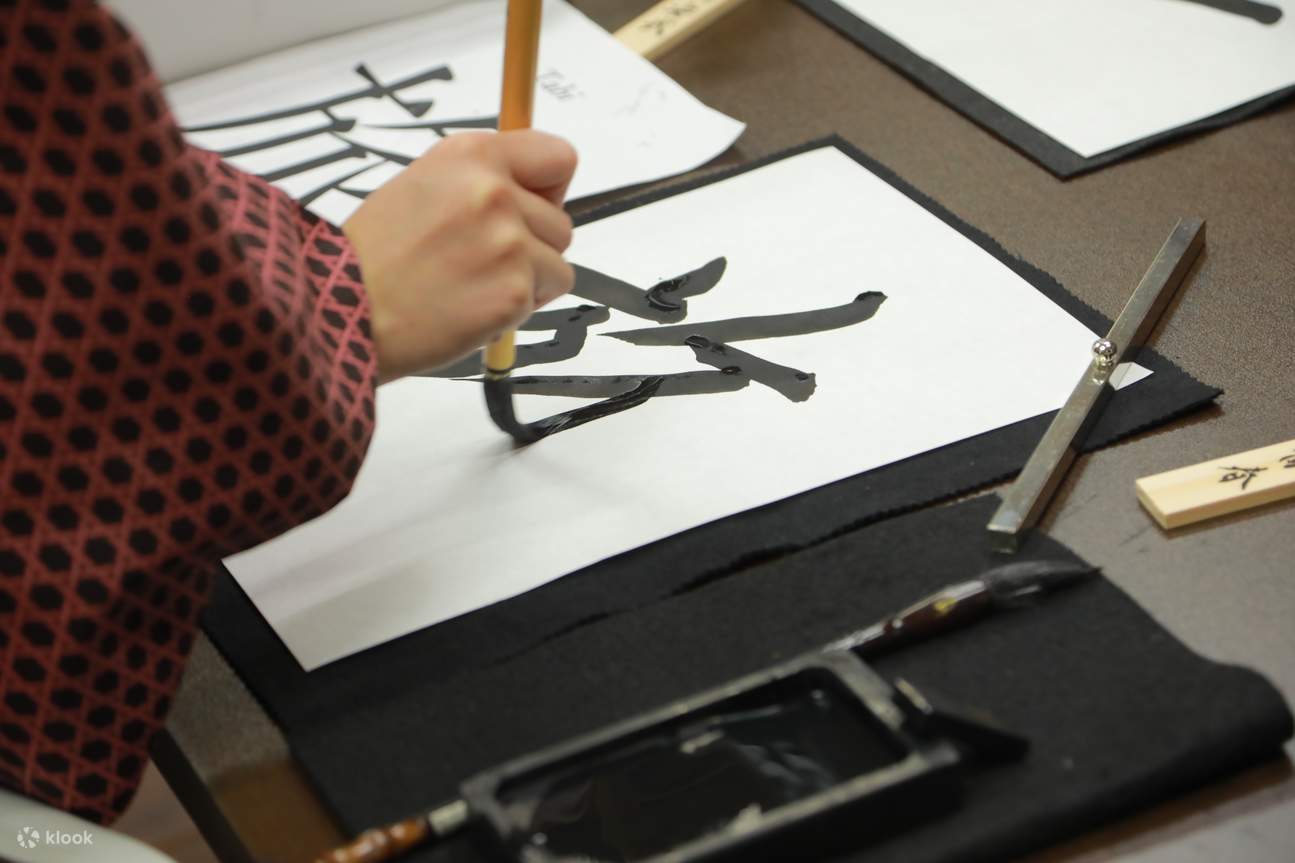
Calligraphy has a delicate sense of beauty, and the subtle changes in fine lines, dots, and shading enhance its beauty. There is also a sense of quiet beauty, and it is important to keep one's mind quiet and focused when writing letters

Even beginners can learn how to use the brush by practicing repeatedly. It is important to note, however, that it is important to understand the techniques used, rather than just practicing in the dark

【Special】 The teacher has applied kanji to the foreign name of a client and come up with a Japanese-style name written in kanji. Since each kanji character has its own meaning, you should know what meaning the character used in your name has

OsakaCastle Calligraphy Experience in Kimono/Interpretation
Preparation Calligraphy is deeply imbued with the aesthetic sensibilities of Japanese culture.
OsakaCastle Calligraphy Experience in Kimono/Interpretation
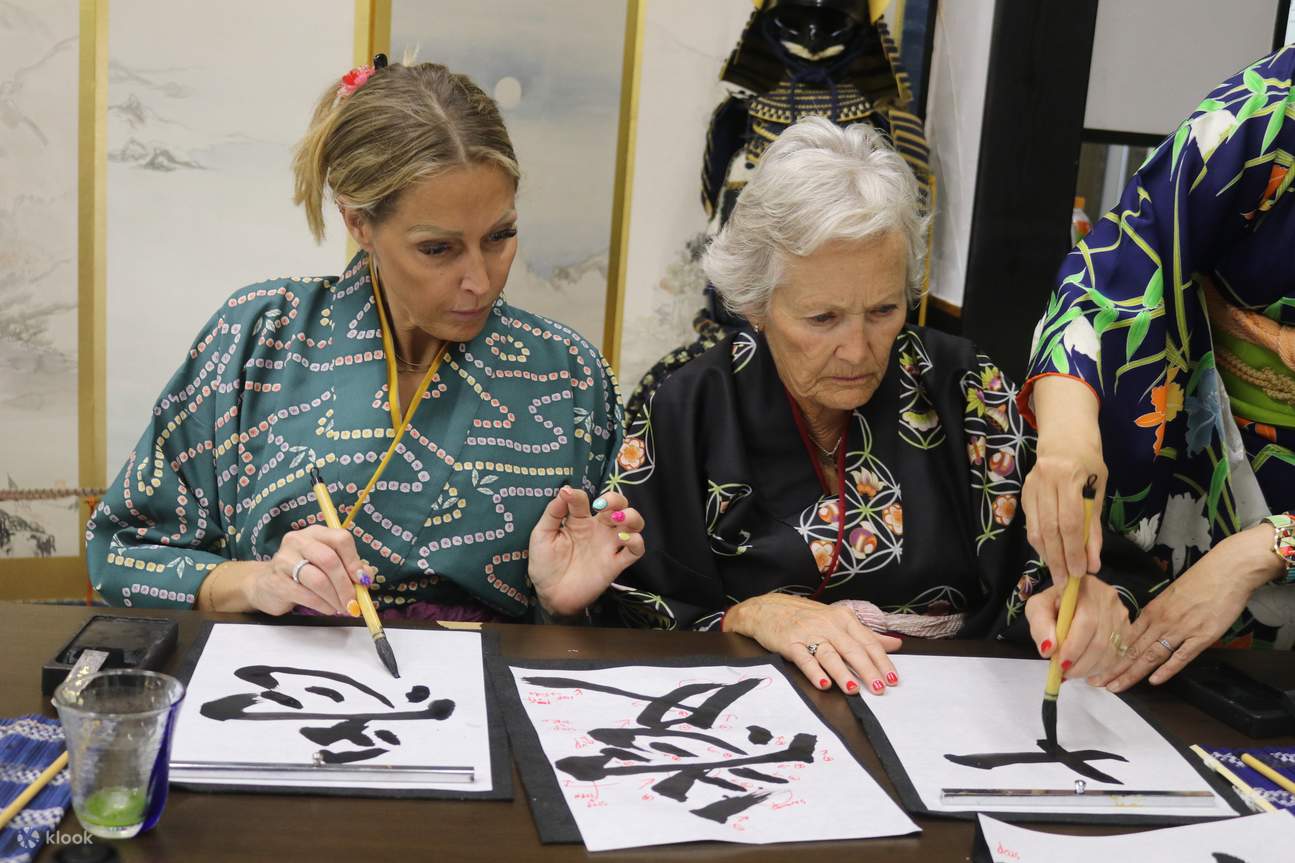
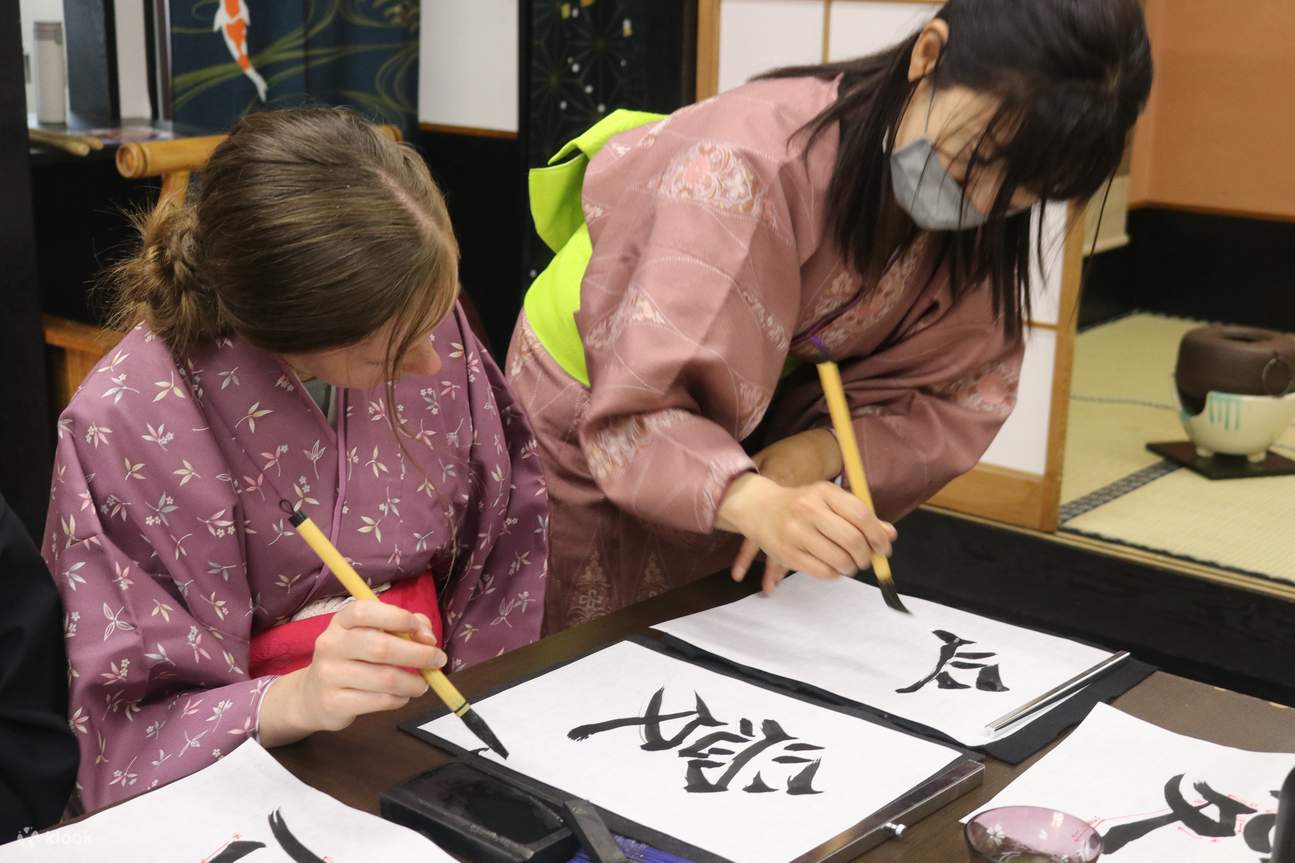
Before picking up a brush, you will change into traditional Japanese
OsakaCastle Calligraphy Experience in Kimono/Interpretation
clothing such as a kimono.
OsakaCastle Calligraphy Experience in Kimono/Interpretation
Mindset and tools You will gain a deeper understanding of the differences between calligraphy as a form of decorative writing that exists overseas and Japanese Shodo.
OsakaCastle Calligraphy Experience in Kimono/Interpretation
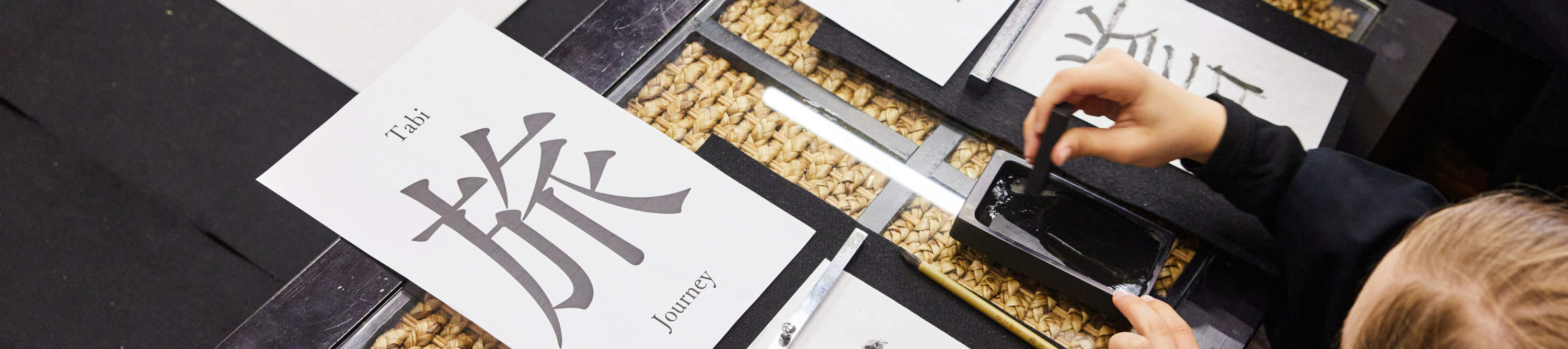
Learn and practice how to hold the brush and use the tools
OsakaCastle Calligraphy Experience in Kimono/Interpretation
Kanji Choose your favorite Japanese kanji to challenge yourself. Kanji, which has been selected as "the most difficult language to learn," has various meanings for each character.
OsakaCastle Calligraphy Experience in Kimono/Interpretation
Learn and practice how to hold the brush
OsakaCastle Calligraphy Experience in Kimono/Interpretation
and use the tools
OsakaCastle Calligraphy Experience in Kimono/Interpretation
Learn and practice techniques
OsakaCastle Calligraphy Experience in Kimono/Interpretation
Brush movement—brush technique The most basic brush movements: "tome," "hane," and "harai"
OsakaCastle Calligraphy Experience in Kimono/Interpretation
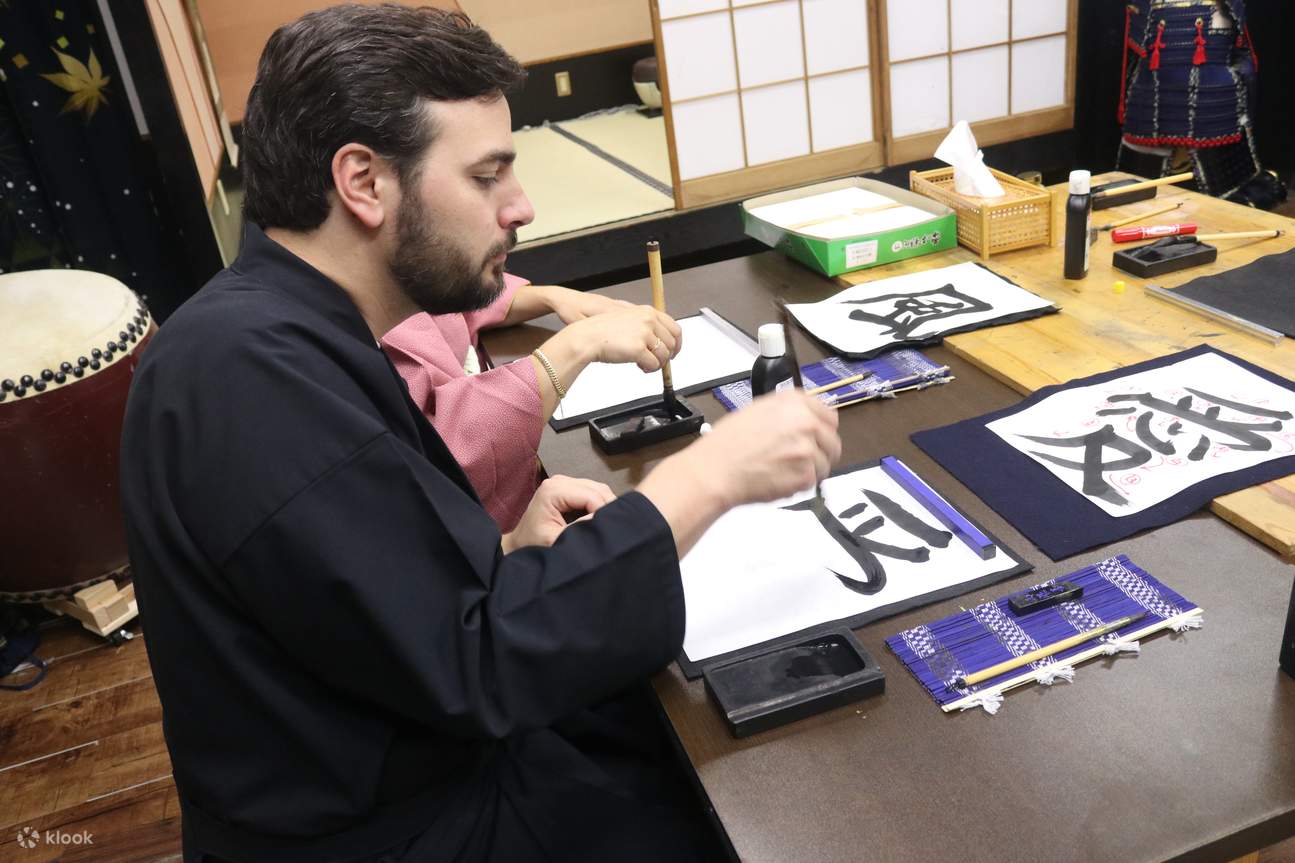
Kanji practice You will learn the stroke order of the kanji you selected earlier. A master calligrapher will demonstrate how to write these kanji using a brush, so practice following the stroke order while being mindful of the techniques.
OsakaCastle Calligraphy Experience in Kimono/Interpretation
Surprise The teacher will write the foreign names of the participants on wooden tags using the kanji characters they have chosen.
OsakaCastle Calligraphy Experience in Kimono/Interpretation
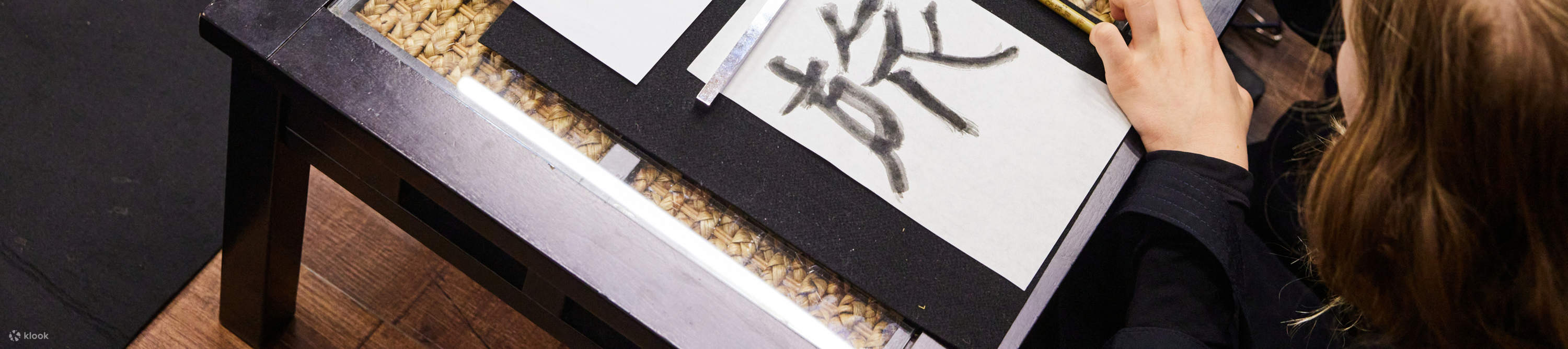
Final Draft Write a final draft while keeping in mind what you have learned so far.
OsakaCastle Calligraphy Experience in Kimono/Interpretation
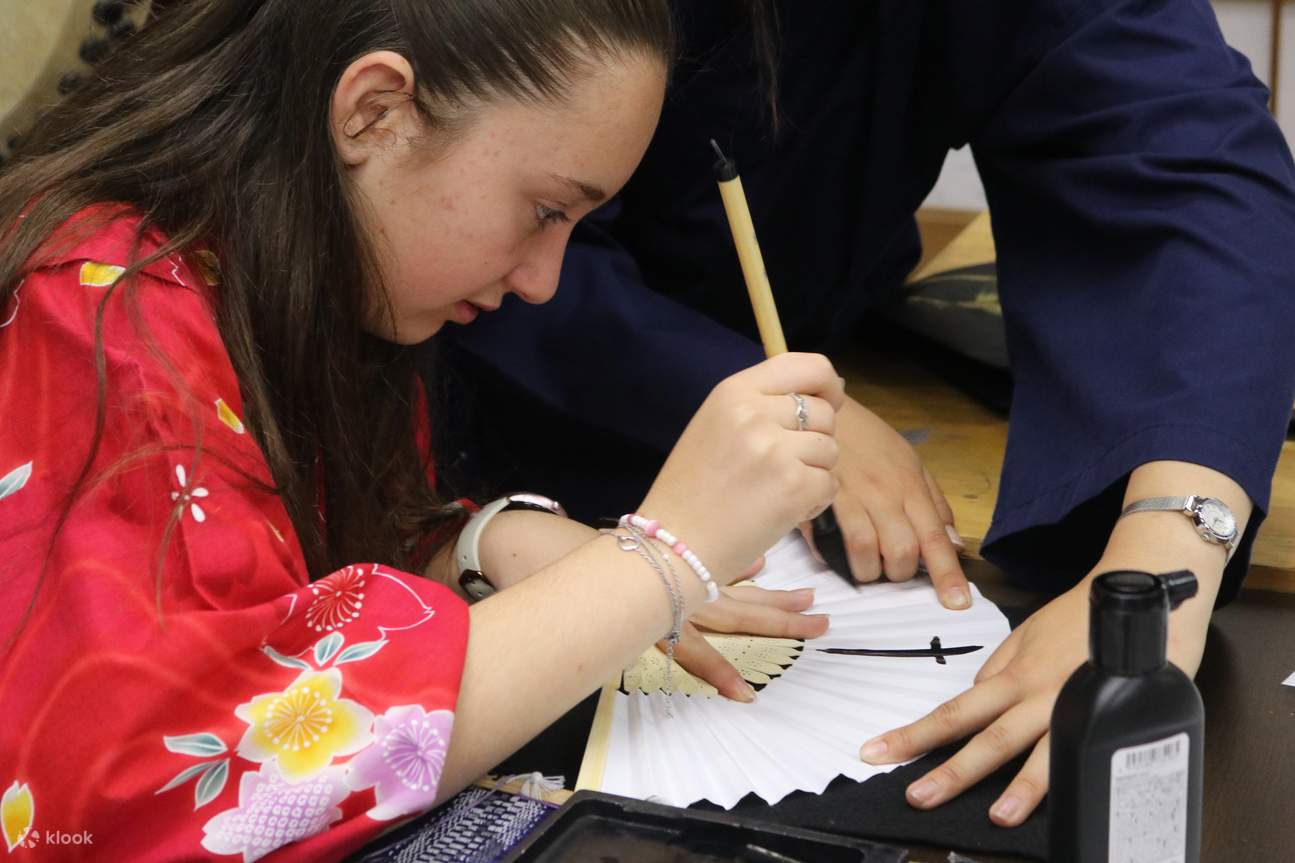
Calligraphy paper / Fan / Hanging scroll (optional) /
Activity 6
➤ Final Draft
Write a final draft while keeping in mind what you have learned so far. Calligraphy paper / Fan / Hanging scroll (optional) /
Folding fans are tools that appear at turning points in life, and are still familiar to Japanese people today.
Activity 7
Photo Shoot
Capture your beautiful kimono outfit and artwork in a photo. You will be photographed dressed as a beautiful Yamato Nadeshiko or a brave samurai.
Work Keep your first calligraphy work as a memento or souvenir, or frame it and display it.
Activity 6
➤ Final Draft
Write a final draft while keeping in mind what you have learned so far. Calligraphy paper / Fan / Hanging scroll (optional) /
Japanese aesthetic sensibility includes the concept of “the beauty of white space.”
Learn Japanese calligraphy and Zen while wearing a kimono
“The beauty of white space” is one aspect of Japanese cultural aesthetic sensibility, which involves finding beauty in spaces that are not filled with writing or images (white space).
Learn Japanese calligraphy and Zen while wearing a kimono
By being conscious of white space, it is believed that not only text but also space itself can be made beautiful.
Learn Japanese calligraphy and Zen while wearing a kimono
The concept of “ma” (space) is deeply related to the beauty of negative space.
Learn Japanese calligraphy and Zen while wearing a kimono
By being mindful of negative space, one can cultivate mental 여유 and develop a rich sensibility.
➤ Souvenir from the teacher
Souvenir from the teacher
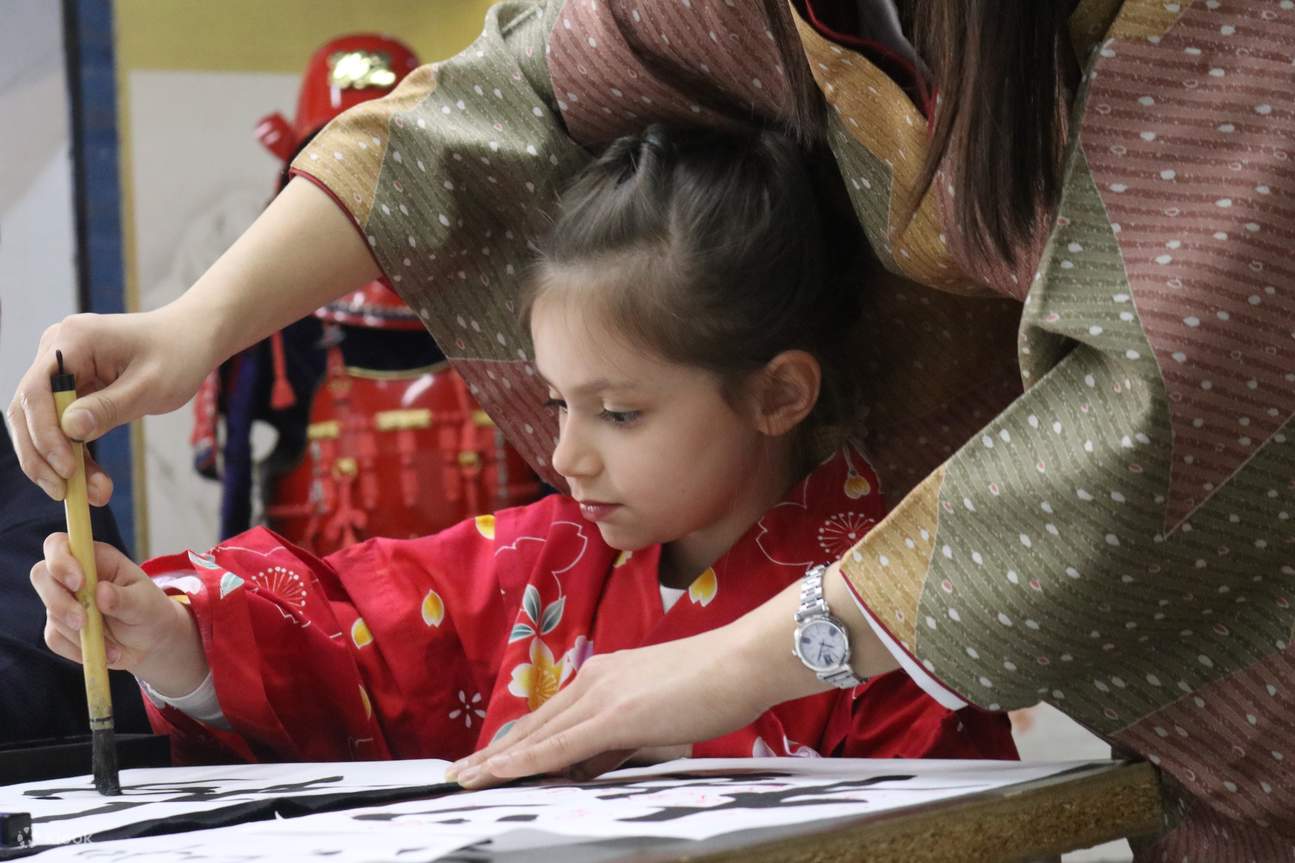
➤ Share memories of your trip with your family and children
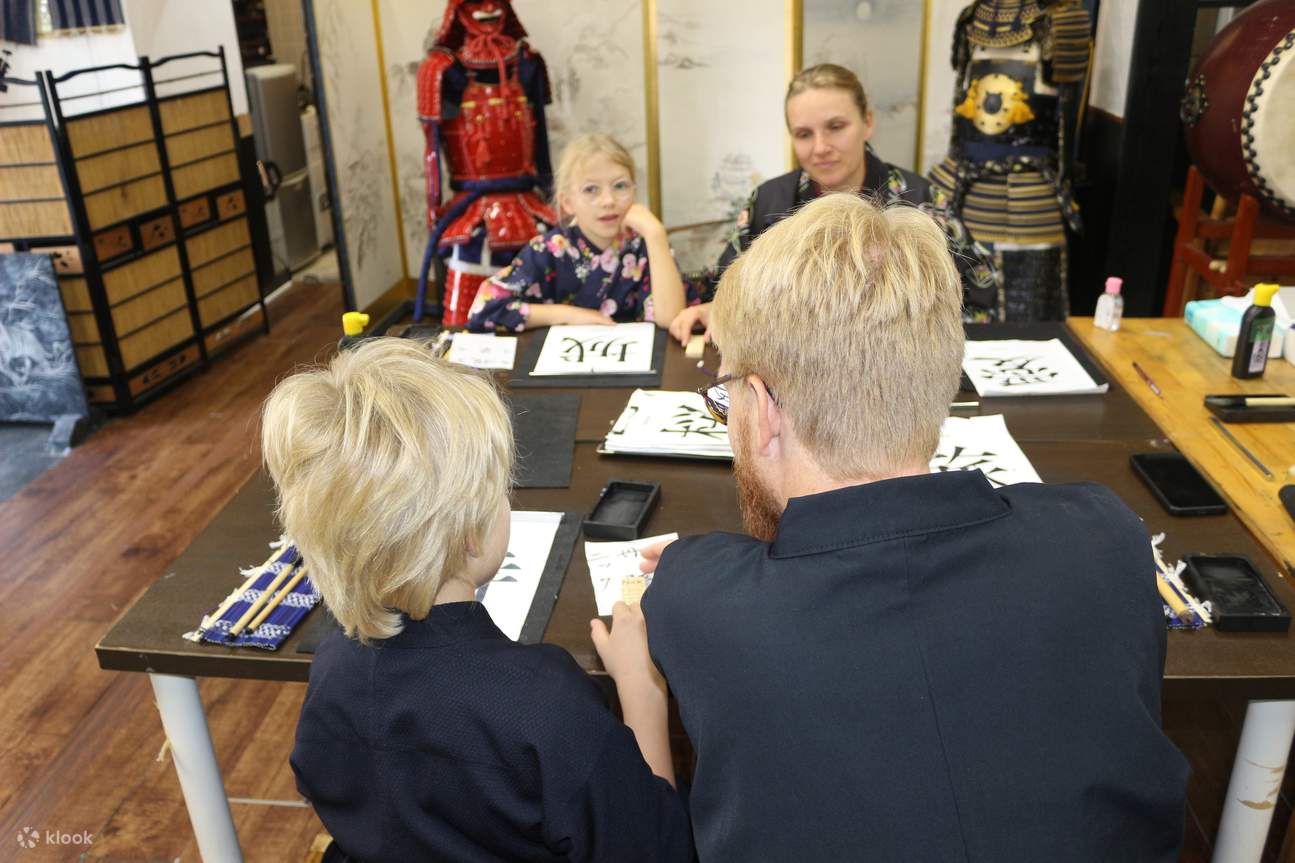
Calligraphy is a traditional culture that even small children can participate in and enjoy. In Japan, 6- to 8-year-olds are the most likely age group to start learning calligraphy.
Share memories of your trip with your family and children
➤ Share memories of your trip with your family and children
Calligraphy is a traditional culture that even small children can participate in and enjoy. In Japan, 6- to 8-year-olds are the most likely age group to start learning calligraphy.
Activity 7
Photo Shoot
Capture your beautiful kimono outfit and artwork in a photo. You will be photographed dressed as a beautiful Yamato Nadeshiko or a brave samurai.
Learning traditional culture while wearing a kimono is a great opportunity to deeply experience Japanese culture.
Learn Japanese calligraphy and Zen while wearing a kimono
Wearing a kimono naturally blends in with many traditional cultural activities
➤ Work
Keep your first calligraphy work as a memento or souvenir,
or frame it and display it.
such as tea ceremony, flower arrangement, Japanese dance, koto music, and shamisen, enhancing the movements and atmosphere of these activities.
Learn Japanese calligraphy and Zen while wearing a kimono
and you can convey a refined impression from within. Take this opportunity to capture many photos to cherish.
Learn Japanese calligraphy and Zen while wearing a kimono
By wearing a kimono, your movements and demeanor become more elegant,

Good to know

-From AM to 2 PM, it is relatively busy, so after that, it can be a private experience.

Contact us

Got a question about this activity? Ask us on live chat!