Ikebana Japanese Flower Arrangement In Ikenobo Style At Local Home


- Ikebana, a traditional Japanese art, originated in Kyoto.
- It blends various schools and Western techniques.
- Open to everyone, even for a single session.
- Feel the seasons through Japanese flowers and try ikebana.




What to expect
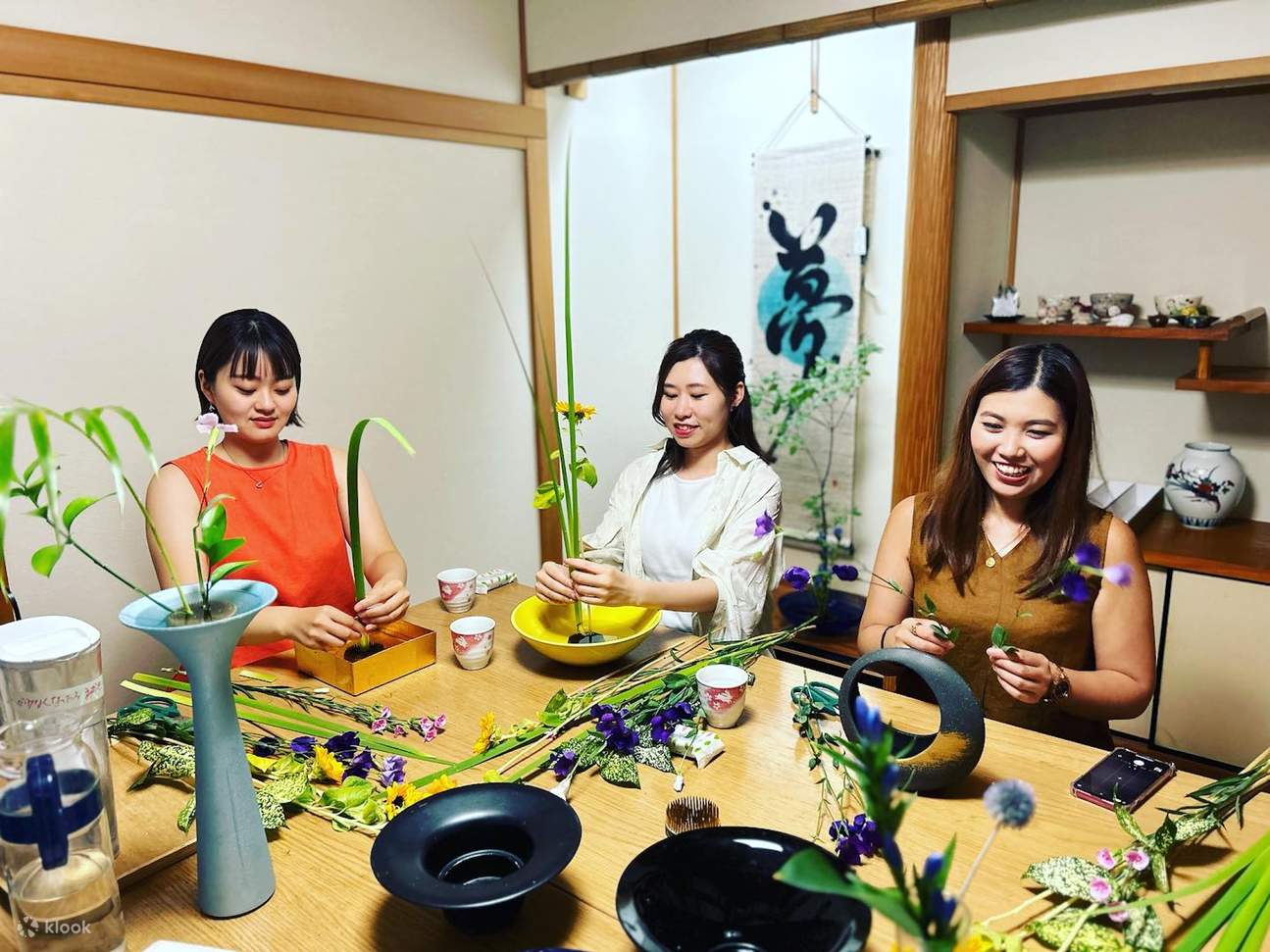
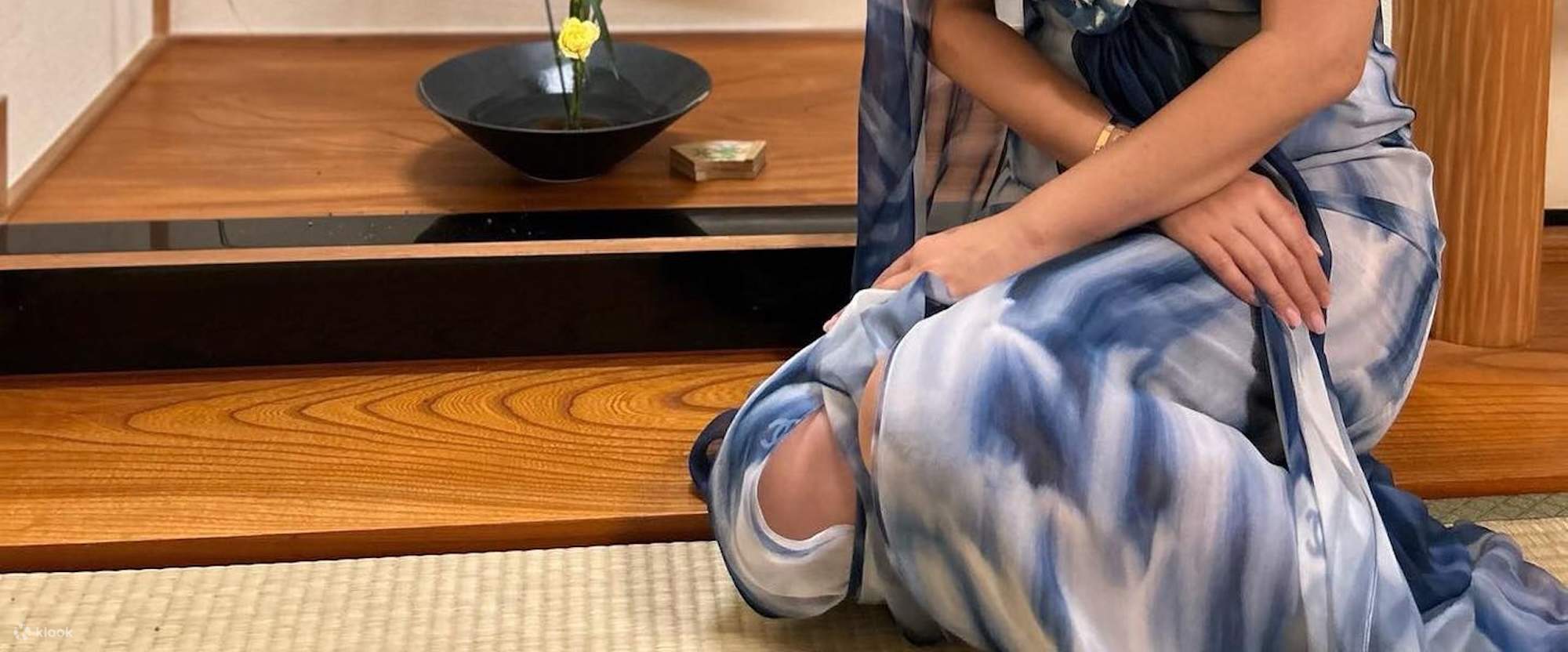
Ikebana, globally renowned as a traditional Japanese art form, is said to have its origins at Shiunzan Chofoku-ji Temple (commonly known as “Rokkaku-do”) in Nakagyo-ku, Kyoto. This is the etymology of “Ikebana,” the oldest school of flower arrangement in Japan. In Kyoto, floral materials such as branches and leaves, which are not commonly seen in flower shops in other regions, are also sold. Even if you are new to it, you can feel free to attend a lesson here at SAKURA, just once. It’s a chance to try it out, whether for children or to see if it suits you! During class, you will experience using materials typical of Kyoto. Try your hand at ikebana using Japanese flowers that evoke the seasons. You can also take home the floral materials used in the lesson by cutting them short.


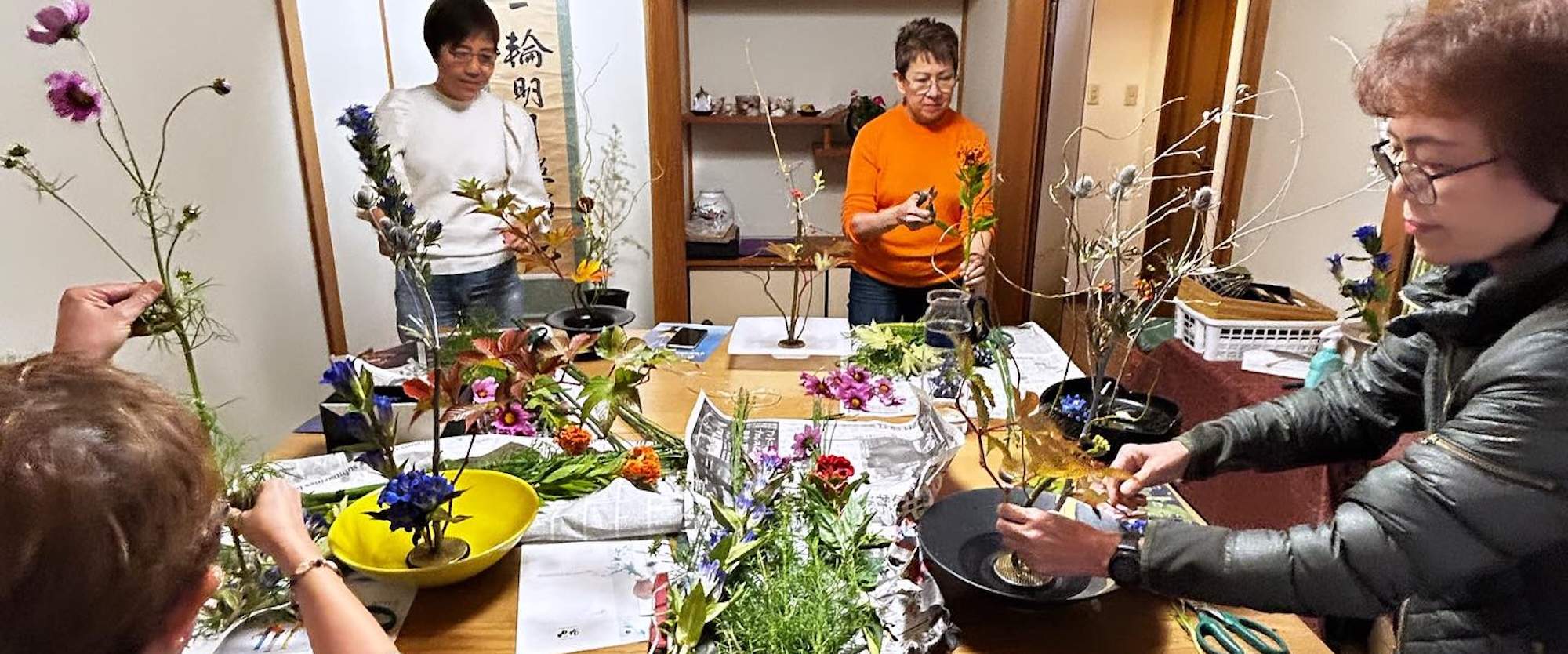



Good to know
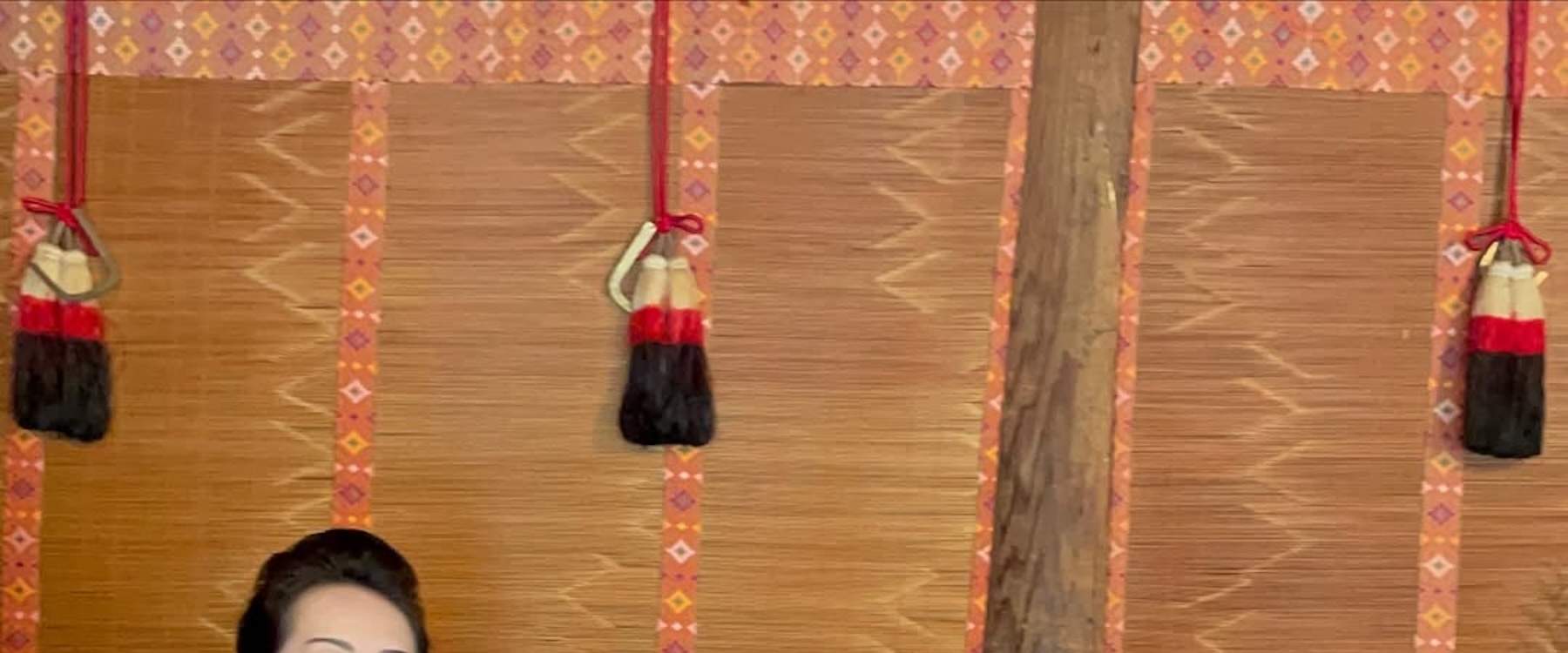
Arrive a bit early to enjoy the calm atmosphere of the traditional Kyoto townhouse before starting your Ikebana session.
No experience is required. Ikebana beginners are warmly welcomed, and the instructor will guide you step-by-step.
Pay attention to balance and empty space. In Ikenobo-style Ikebana, the beauty often comes from the harmony between flowers and the space around them.
Feel free to ask about the meaning of each flower—many seasonal flowers used in the lesson carry symbolic significance in Japanese culture.
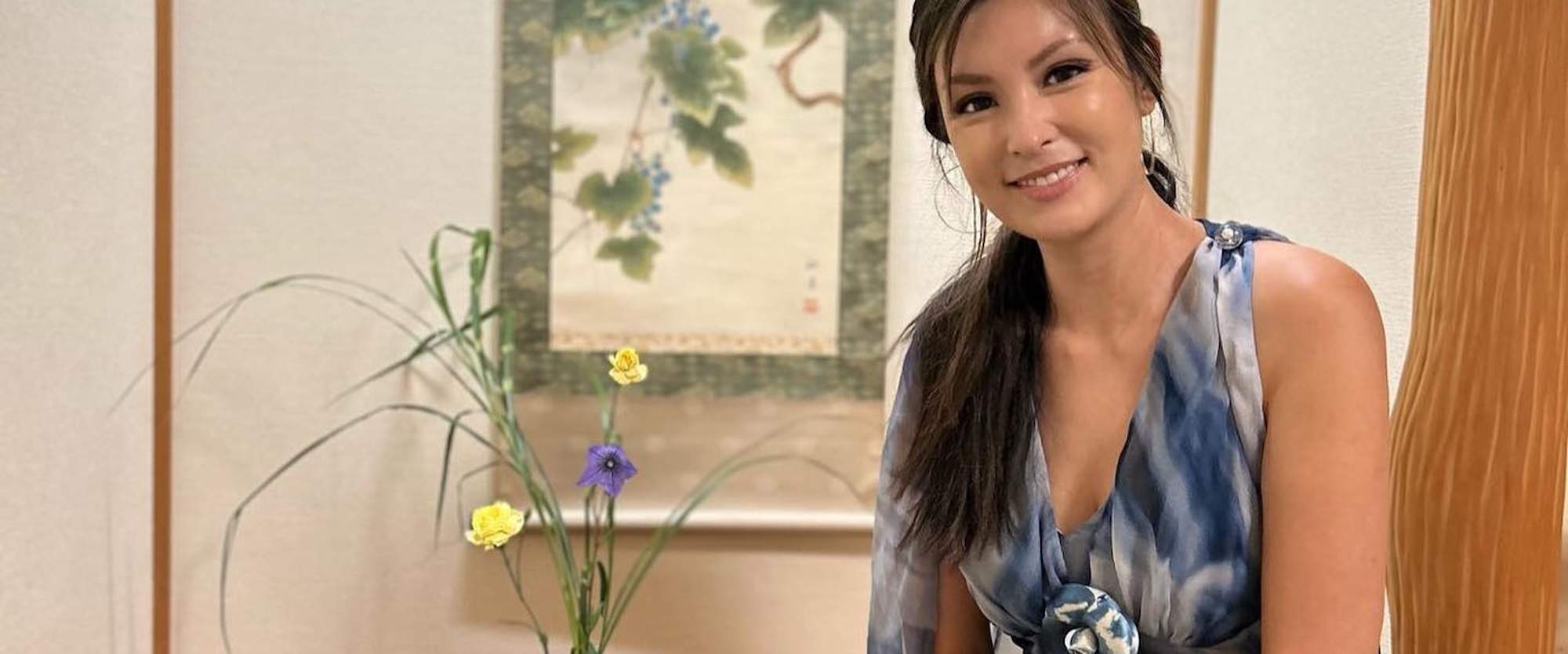
Take photos of your arrangement before you take it home. The studio’s natural lighting and tatami setting make for beautiful shots.
If you want your piece to fit in your suitcase, let the instructor know—they can help create a size that’s easier to carry.-
Reviews
Contact us
You might also like...
Kyoto Ikebana Experience (Small Group)
Yuzen Dyeing, Matcha & Wagashi or Kimono Experience in Kyoto
Kintsugi Bonsai Creation (Kyoto)
【Michelin One-Star Kaiseki Cuisine】Shimogamosaro - Shimogamo Saryo (Kyoto Main Store)
Kyoto Hidden Culture Half-Day Private Tour (with Artisan)
Kyoto: Zen Meditation at a Private Temple with a Monk
Kyoto: Nighttime Zen Meditation & Matcha Tea Experience in Myoshinji
Kyoto: Tea Ceremony and Kimono at an Authentic Machiya
teamLab Biovortex Kyoto ticket
About the operator
Trending sights
FAQs
Explore more on Klook
Popular Hotels and Places to Stay
- 1 The Ritz-Carlton, Kyoto
- 2 Suiran, A Luxury Collection Hotel, Kyoto
- 3 APA Hotel Kyoto Ekihigashi
- 4 Richmond Hotel Premier Kyoto Ekimae
- 5 Sakura Terrace The Gallery
- 6 Hotel Keihan Kyoto Grande
- 7 Hyatt Place Kyoto
- 8 Mitsui Garden Hotel Kyoto Sanjo PREMIER
- 9 RIHGA Gran Kyoto
- 10 HOTEL ELCIENT KYOTO HACHIJOGUCHI
- 11 Park Hyatt Kyoto
- 12 Kyoto Tokyu Hotel
- 13 Miyako City Kintetsu Kyoto Station
- 14 hotel tou nishinotoin kyoto
- 15 Keio Prelia Hotel Kyoto Karasuma Gojo
- 16 Onyado Nono Kyoto Shichijo
- 17 REF Kyoto Hachijoguchi by Vessel Hotels
- 18 MIMARU SUITES Kyoto Shijo
- 19 DoubleTree by Hilton Kyoto Station
- 20 The Royal Park Canvas Kyoto Nijo
Nearby Transport Options
- 1 Narita Express - N'EX
- 2 Shinkansen Tickets - Japan Bullet Train
- 3 Nagoya to Tokyo train
- 4 Narita Airport (Terminal 1) to Shinjuku train
- 5 Spacia X
- 6 Kyoto to Tokyo train
- 7 Tohoku Shinkansen
- 8 Saphir Odoriko
- 9 New Chitose Airport to Sapporo train
- 10 Kyoto to Hiroshima train
- 11 Hokuriku Shinkansen
- 12 Trains to & from Nagoya
- 13 Shinjuku to Narita Airport (Terminal 1) train
- 14 Kyushu Shinkansen
- 15 Tokyo Station to Narita Airport (Terminal 1) train
- 16 Trains to & from Hiroshima
- 17 Joetsu Shinkansen
- 18 Tokyo to Niigata train
- 19 Kansai Airport to Kyoto train
- 20 Trains to & from Kyoto