※ Closed 12/29-1/1
※ Free admission on 5/4 and 10/1.
Business hours are subject to change without notice. Please check official website for details.
Monday-Sunday: 09:00-17:00
Last admission: 16:30
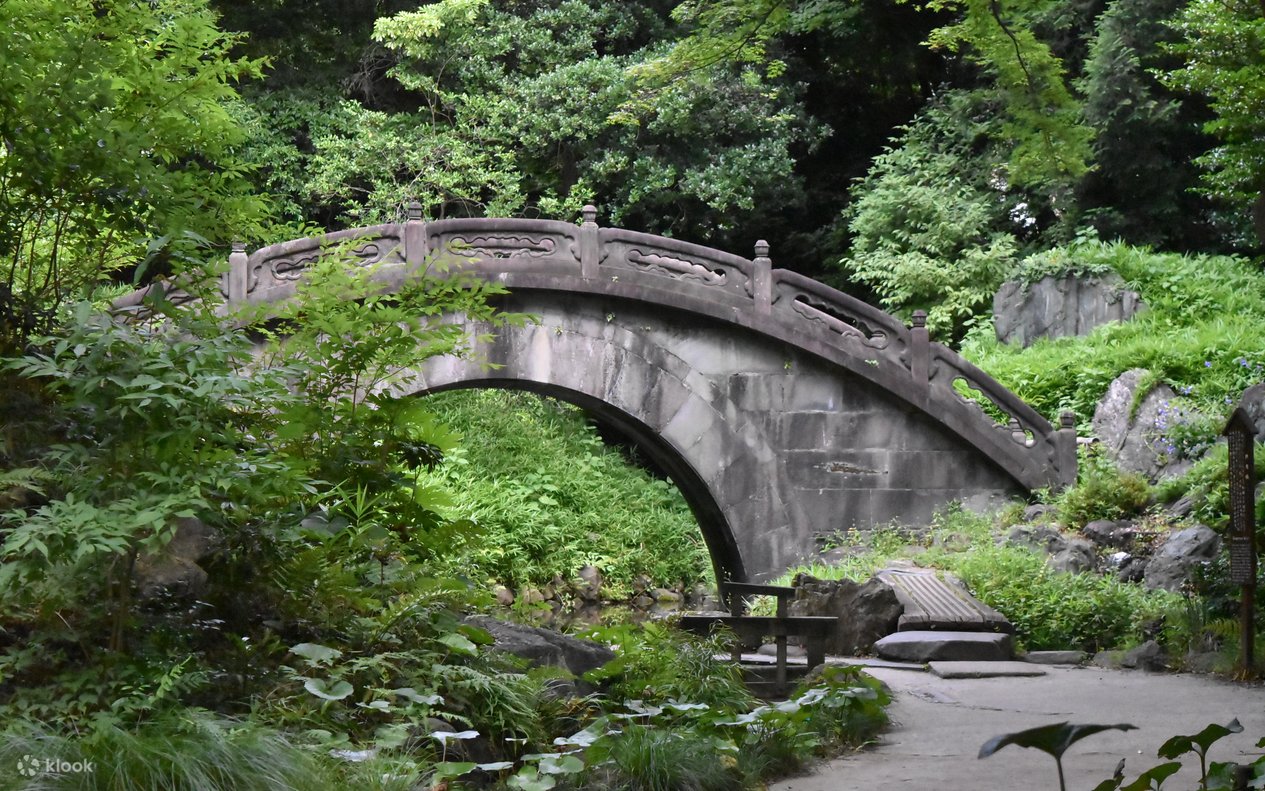
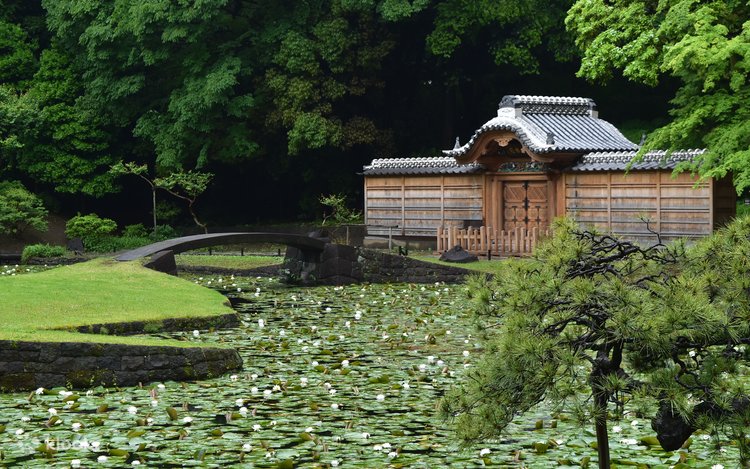


In the early Edo period, Kanei the 6th year (1629), Yoribo, the founder of the Tokugawa family in Mito, built it as the garden of the central residence (later became the main residence) of Edo, and the garden was completed by the generation of Mitsukuni, who is the second Feudal Lord. When building the garden, he adopted the opinion of Zhu Shunshui, who is a Confucianist in the Ming Dynasty, and named it "Korakuen" based on the associated teaching of "Worry about the world's worries first and enjoy the world's joy later" from China. The garden is known as a "Touring Tsukiyama Spring Garden" centered on a pond, and there are landscapes named after Chinese famous spots everywhere, seen as a garden full of notions from Chinese culture. In addition, lakes, mountains, rivers, rural areas and other landscapes which imitate the scenery of spots in the world are skillfully expressed.

※ Closed 12/29-1/1
※ Free admission on 5/4 and 10/1.
Business hours are subject to change without notice. Please check official website for details.
Monday-Sunday: 09:00-17:00
Last admission: 16:30

Koishikawa Korakuen Gardens

In the early Edo period, Kanei the 6th year (1629), Yoribo, the founder of the Tokugawa family in Mito, built it as the garden of the central residence (later became the main residence) of Edo, and the garden was completed by the generation of Mitsukuni, who is the second Feudal Lord. When building the garden, he adopted the opinion of Zhu Shunshui, who is a Confucianist in the Ming Dynasty, and named it "Korakuen" based on the associated teaching of "Worry about the world's worries first and enjoy the world's joy later" from China. The garden is known as a "Touring Tsukiyama Spring Garden" centered on a pond, and there are landscapes named after Chinese famous spots everywhere, seen as a garden full of notions from Chinese culture. In addition, lakes, mountains, rivers, rural areas and other landscapes which imitate the scenery of spots in the world are skillfully expressed.