Tianjin Porcelain House Experience Ticket
Porcelain charm, ingenuity building + integration of Chinese and Western architecture + inlaid with millions of ancient porcelain pieces
The Porcelain House

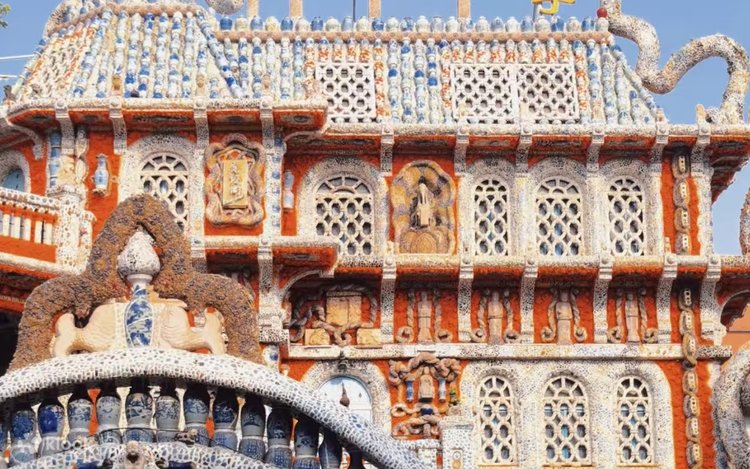
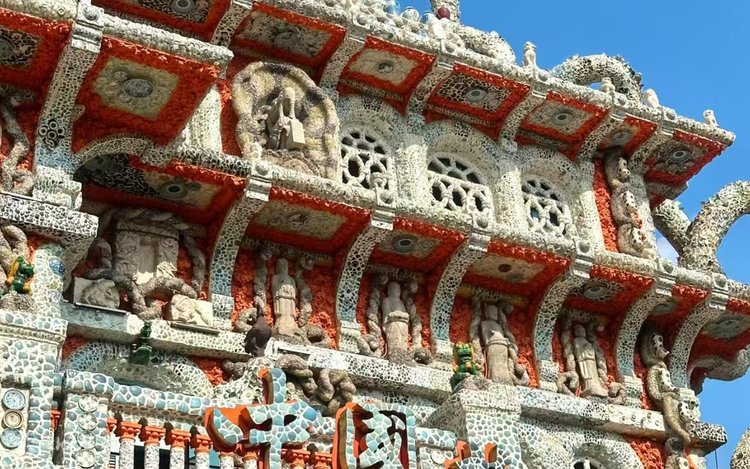
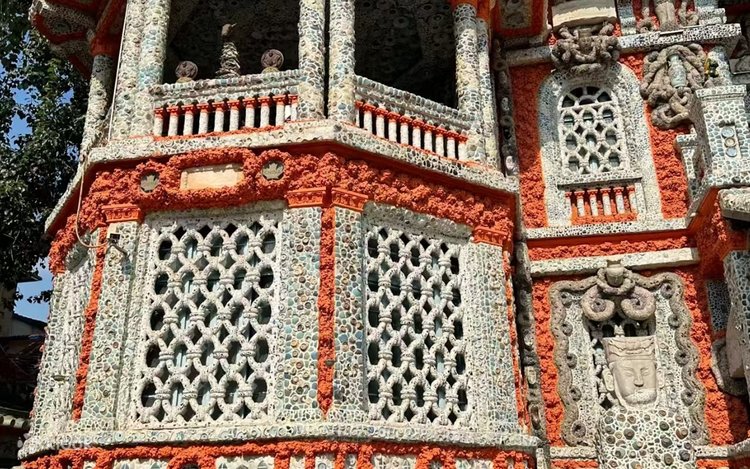
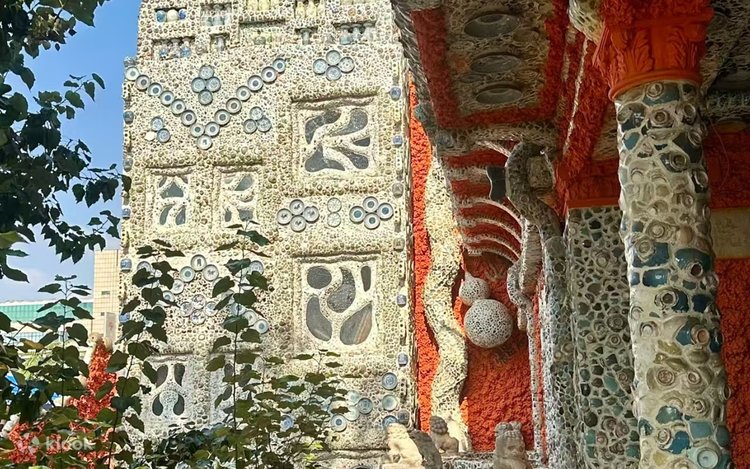
- Millions of pieces of ancient porcelain and thousands of pieces of porcelain are inlaid to form a fusion of Chinese and Western architectural styles, creating a strong visual impact and a "miracle of porcelain art architecture." * The colorful porcelain decorations and detailed designs make every shot a blockbuster, making it a landmark attraction in Tianjin. * Each piece of porcelain contains historical imprints, covering Tang, Song, Ming, and Qing treasures, which are not only architectural masterpieces but also living ceramic culture exhibition halls.
What to expect
- Porcelain House - It is not a "house" in the traditional sense, but a "porcelain art museum" pieced together with millions of pieces of ancient porcelain shards and thousands of complete porcelain items. It is also a vivid carrier of the collision of Chinese and Western cultures and the inheritance of intangible cultural heritage skills. From the French-style bungalows of the Republic of China to today's "Tianjin Internet celebrity landmark", the Porcelain House has become a unique cultural symbol of the city with nearly a hundred years of historical accumulation and more than ten years of ingenious transformation.
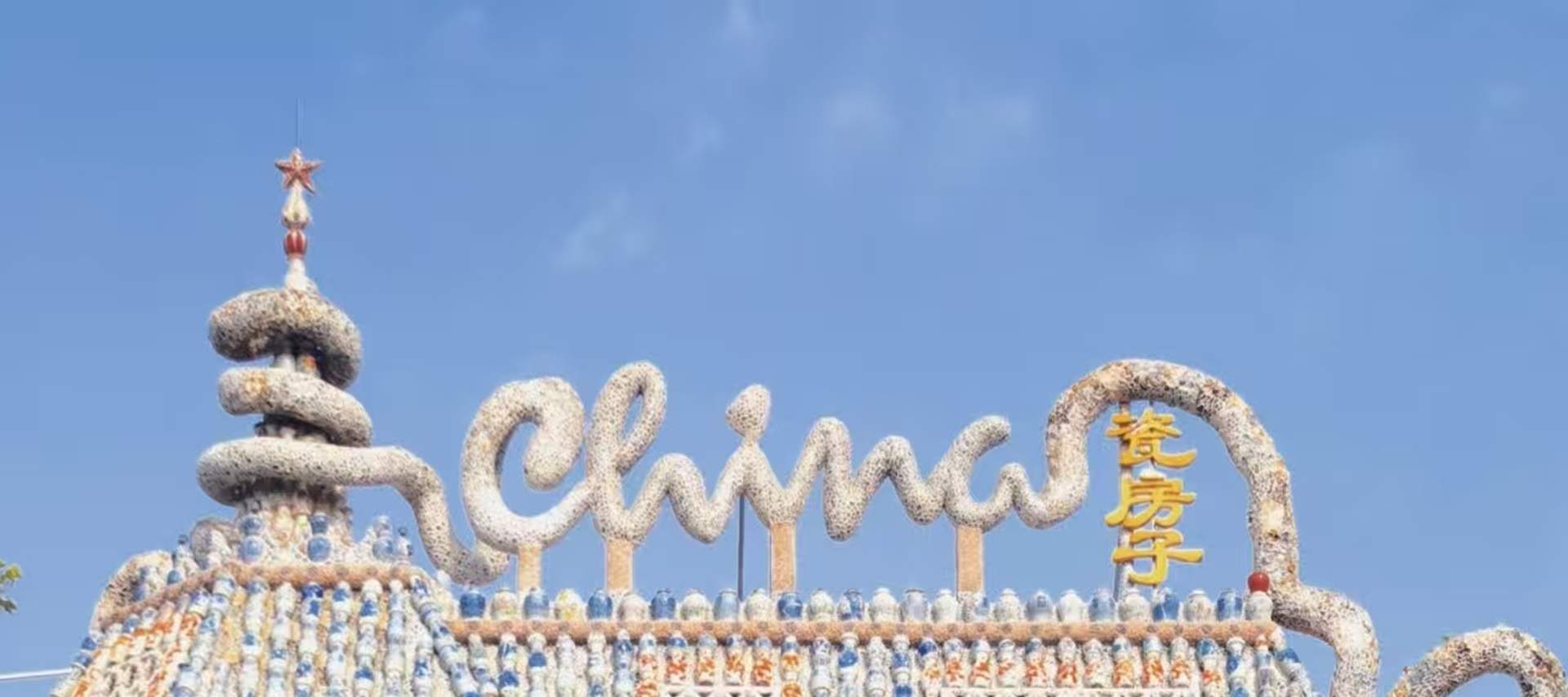
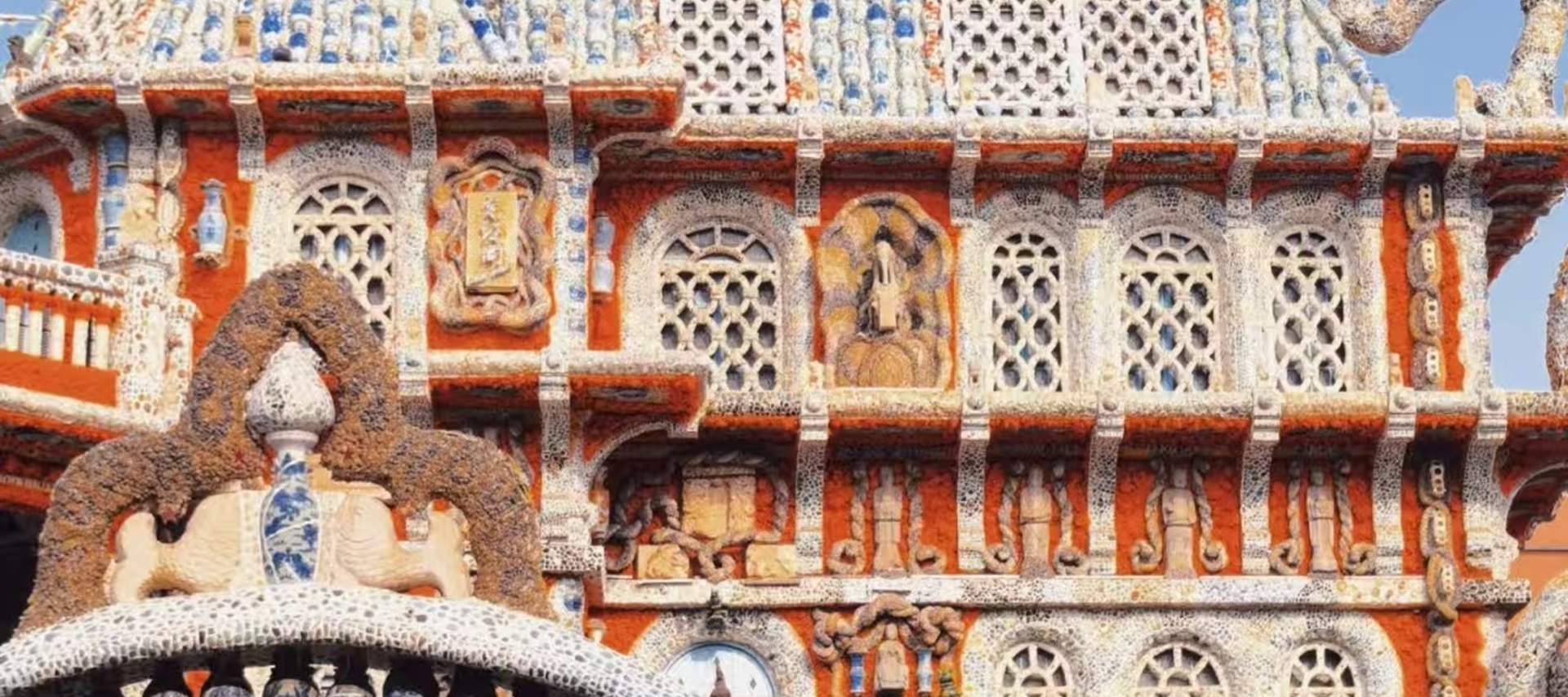
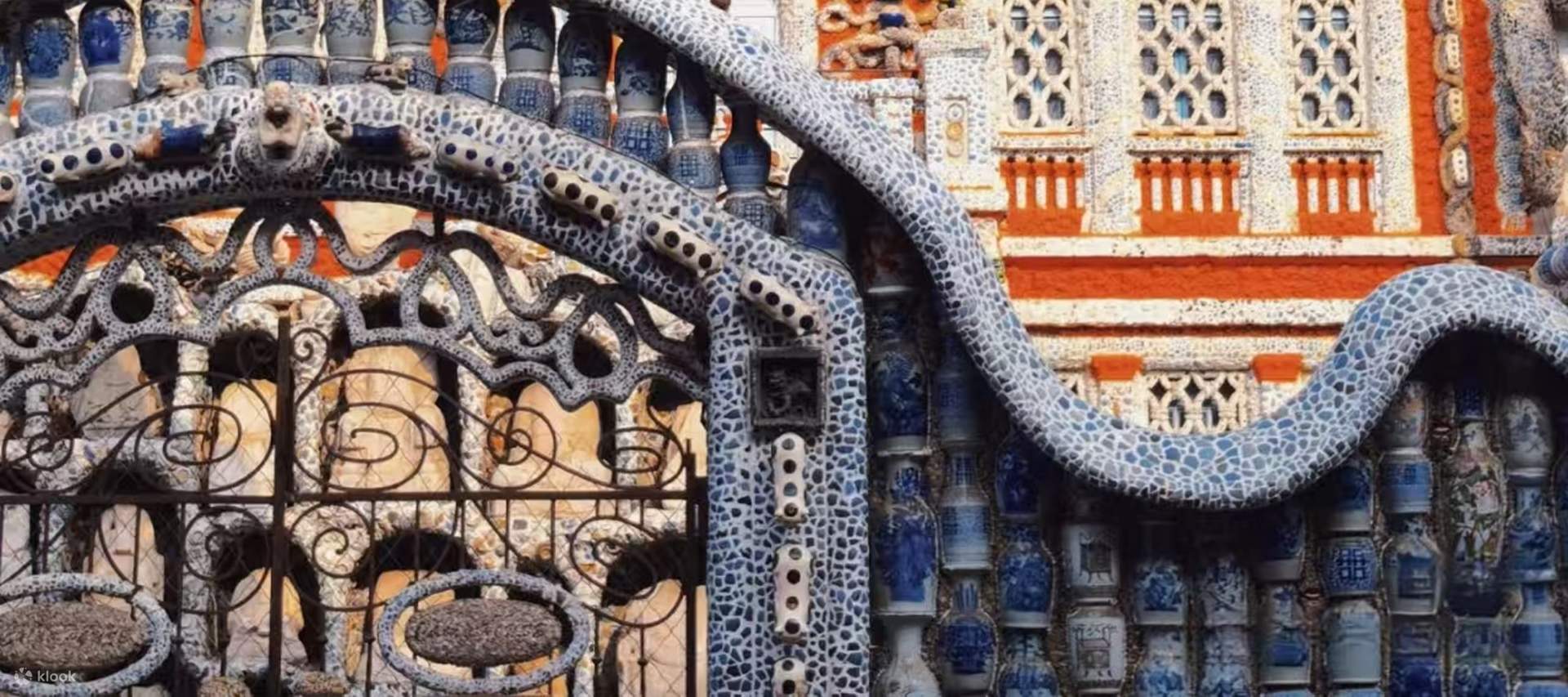
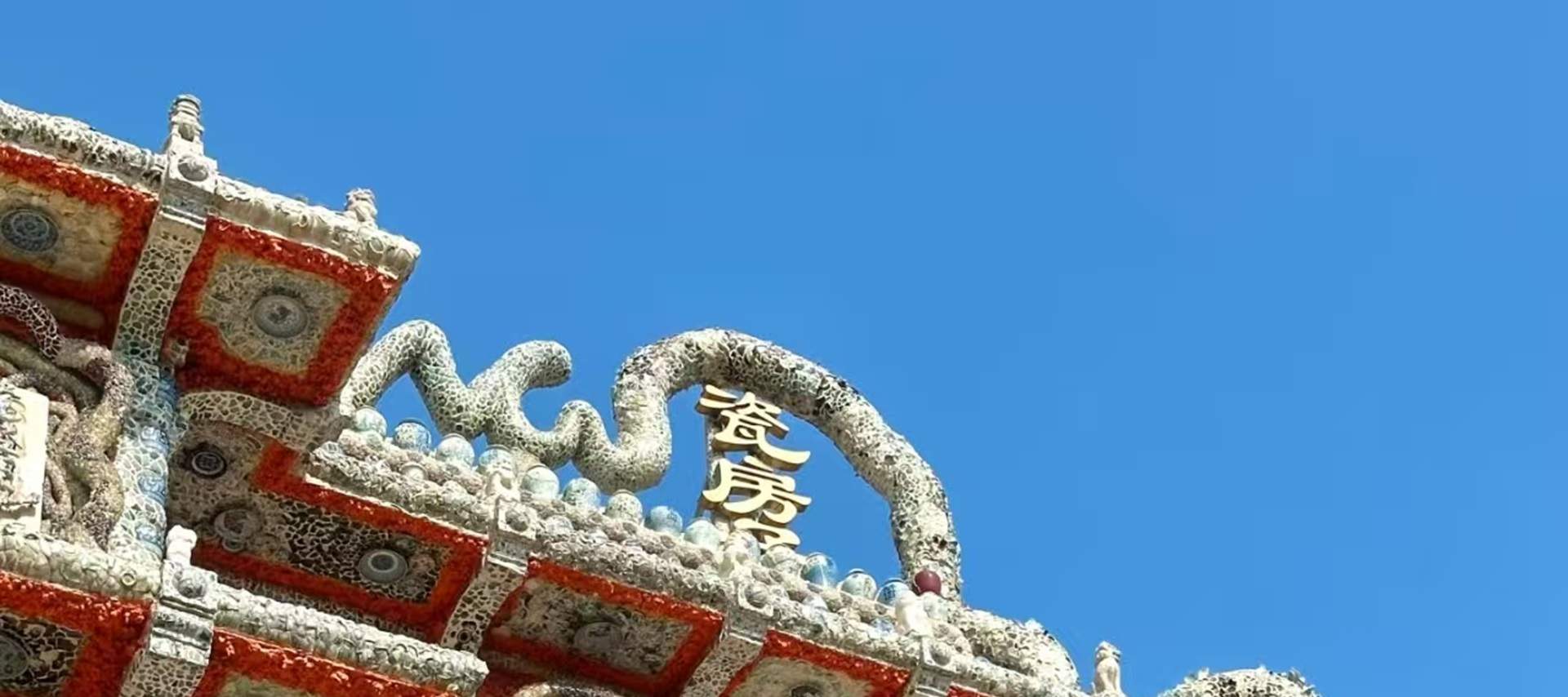
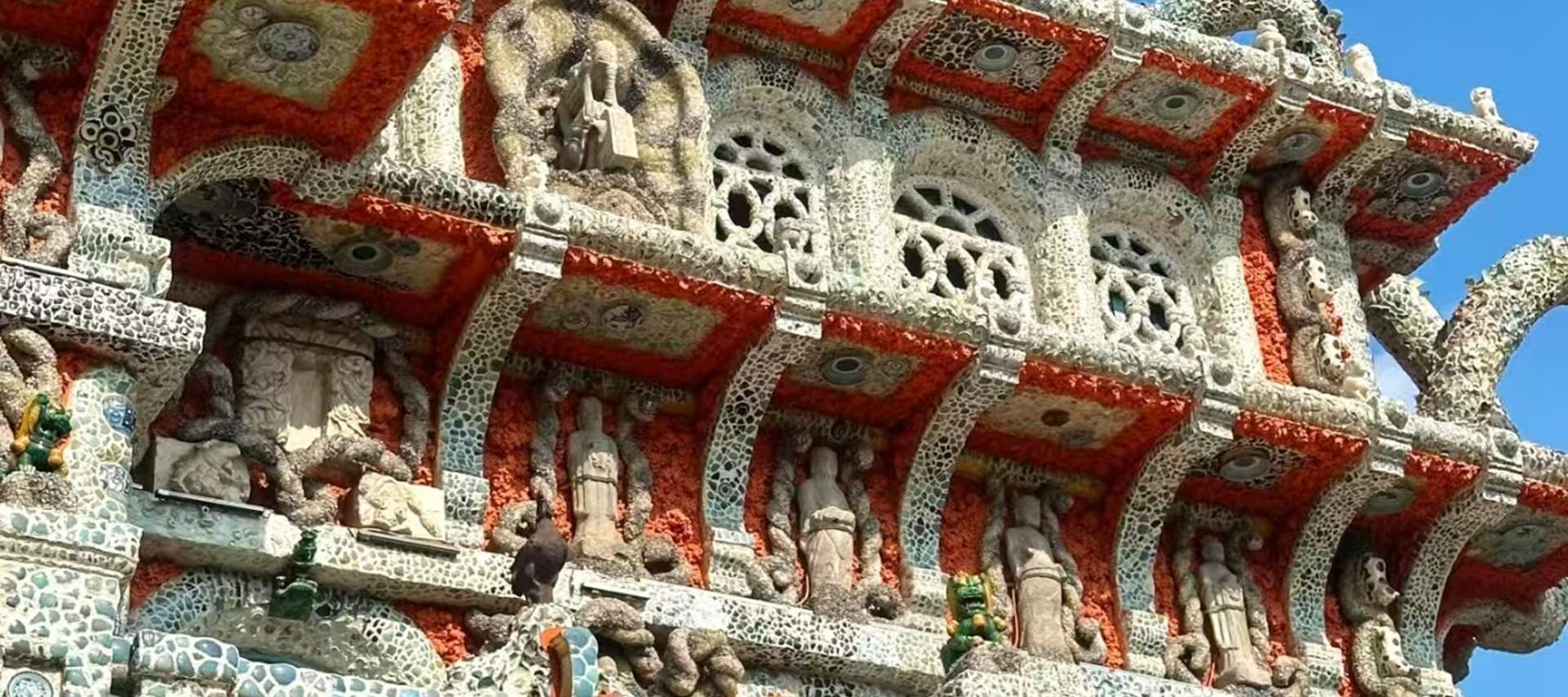
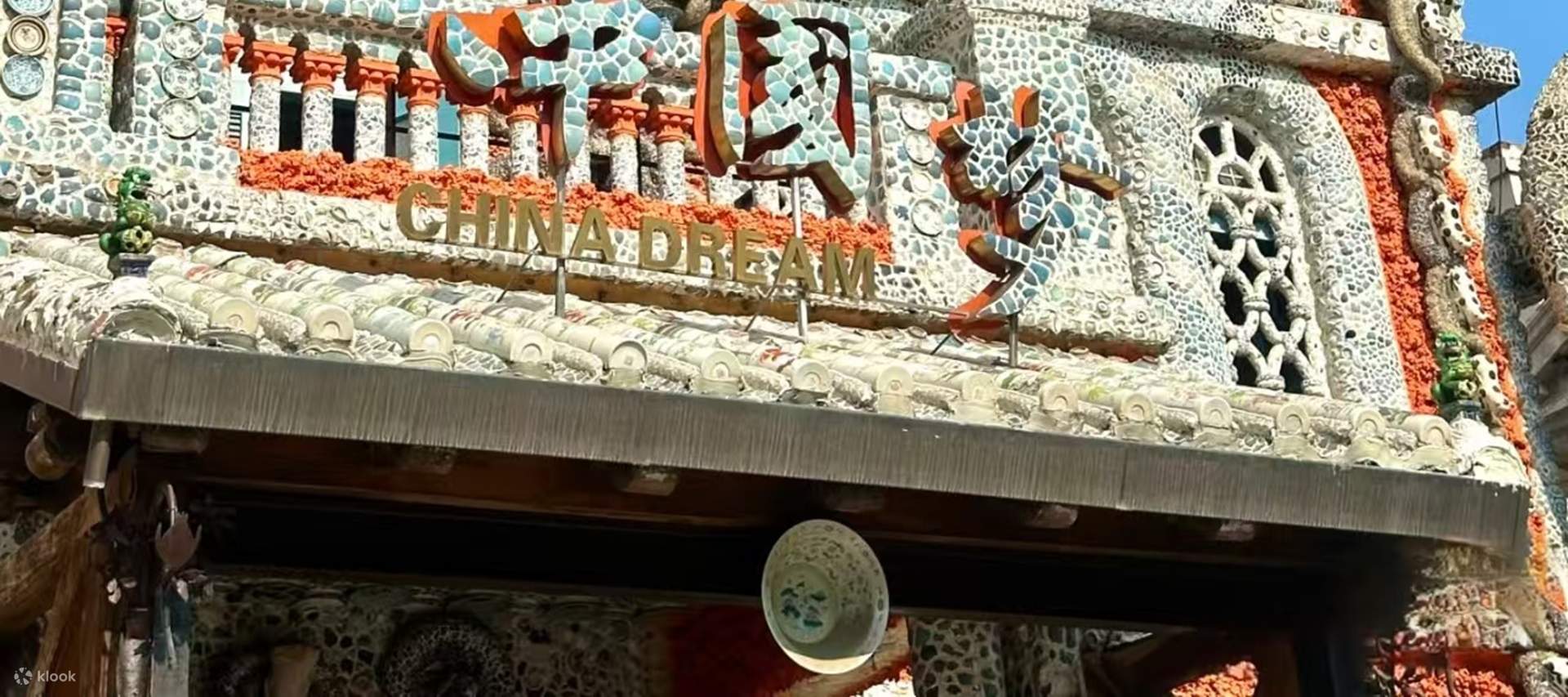
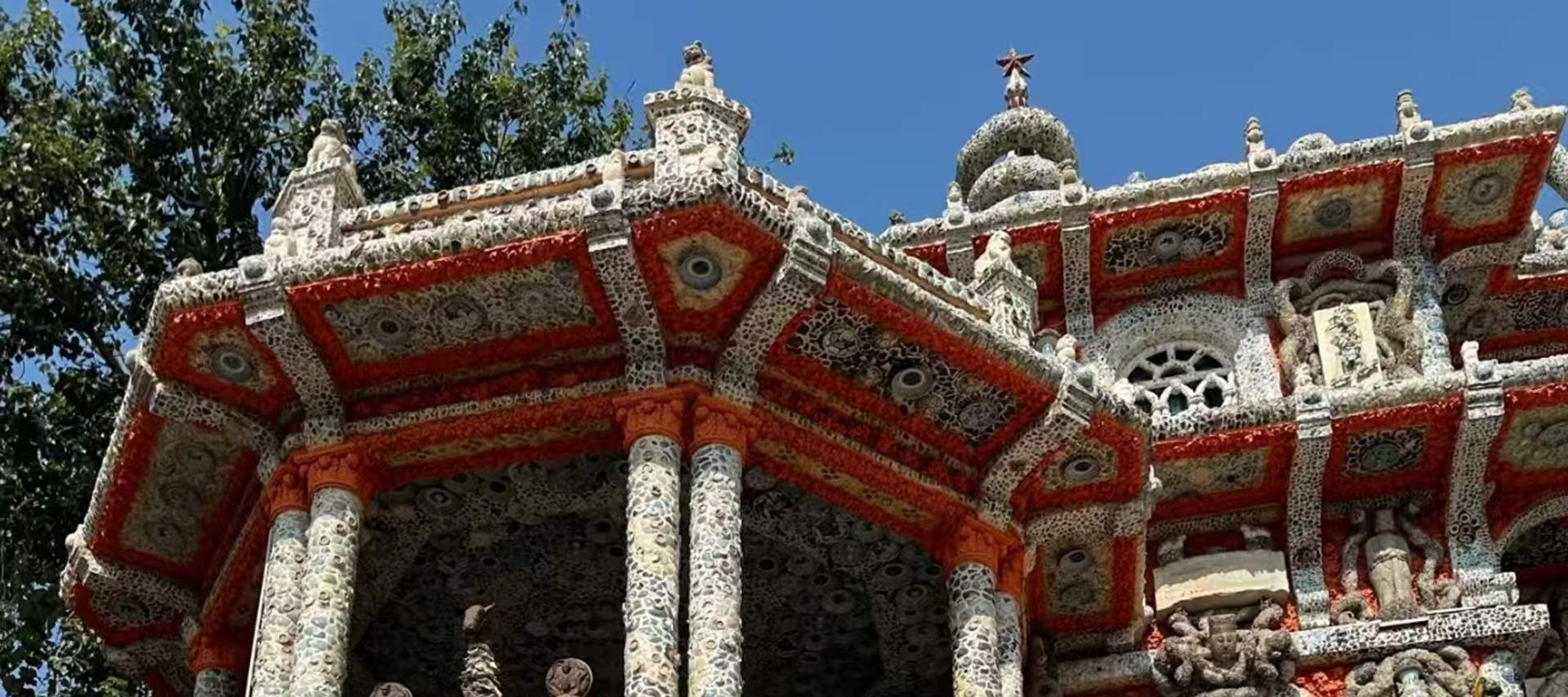
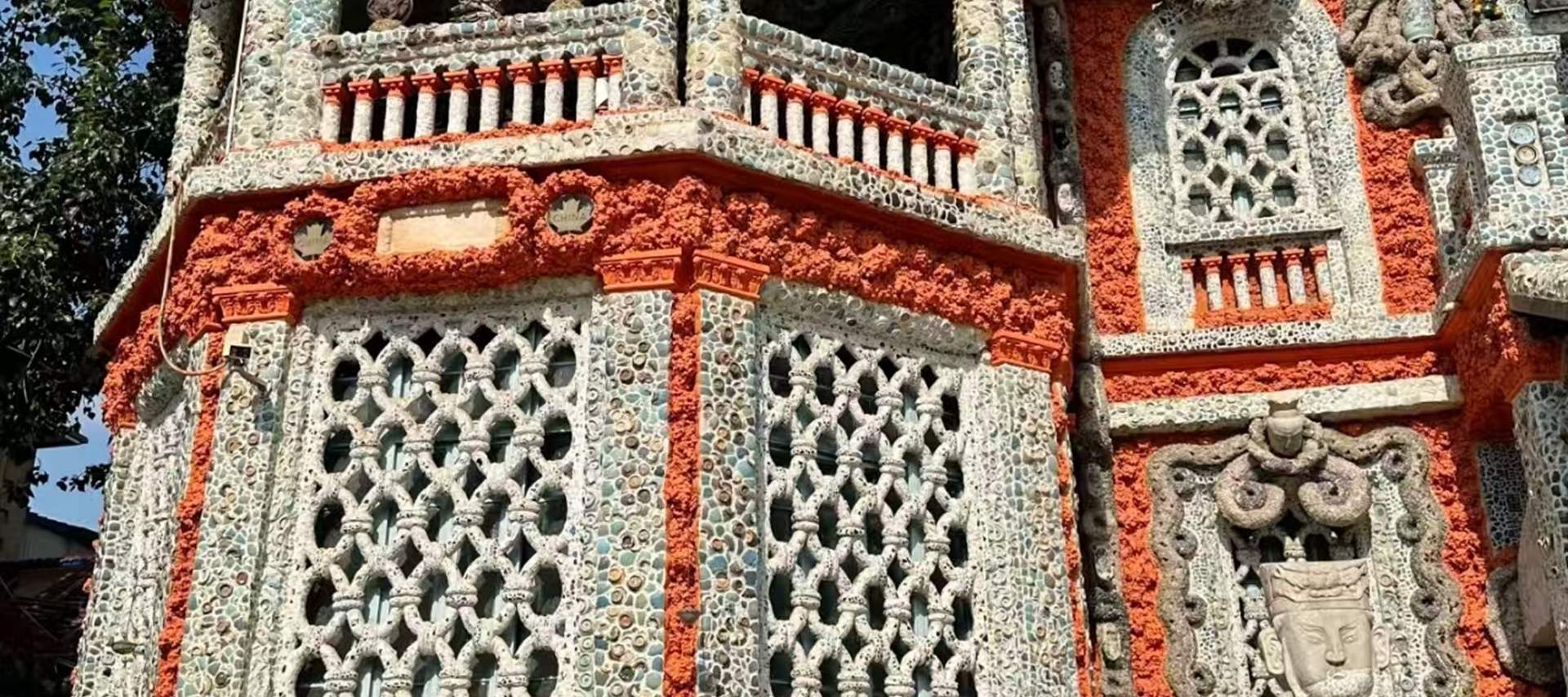
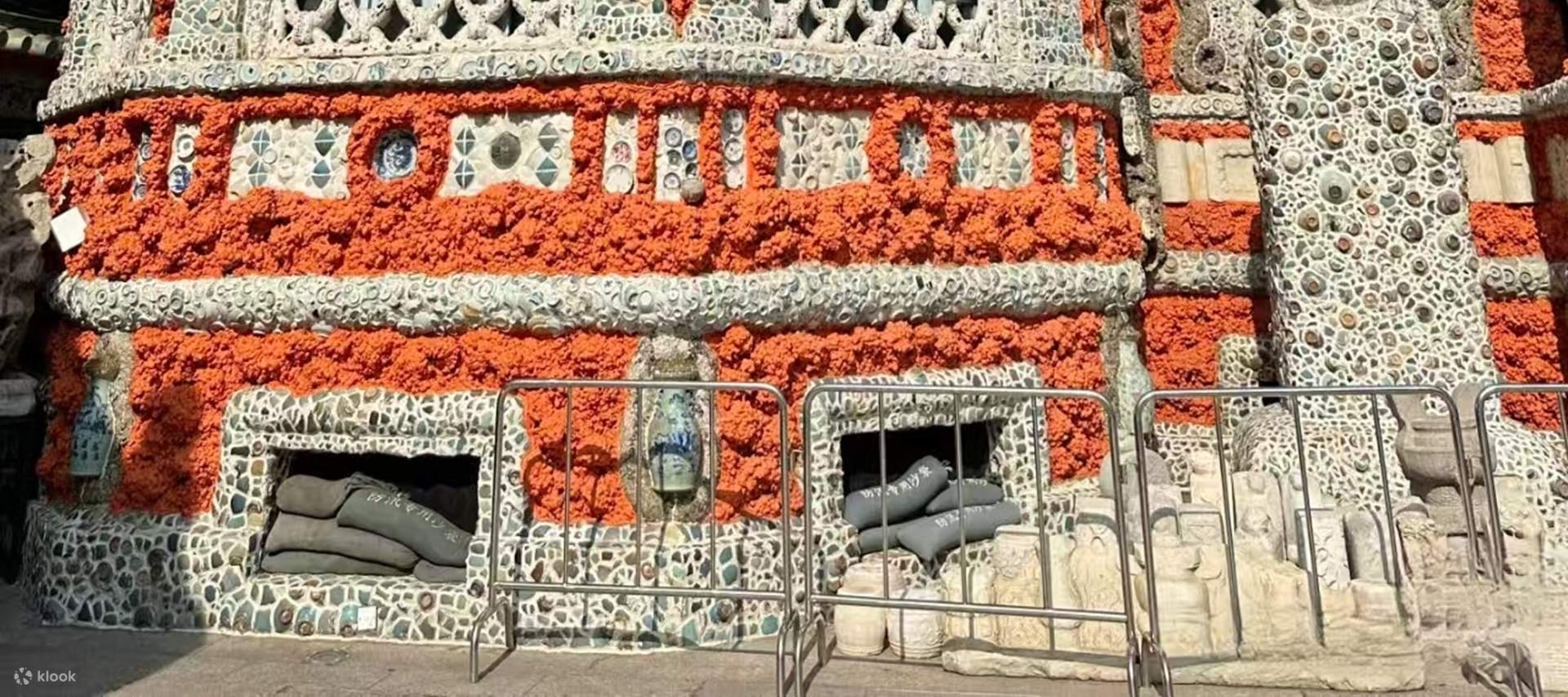
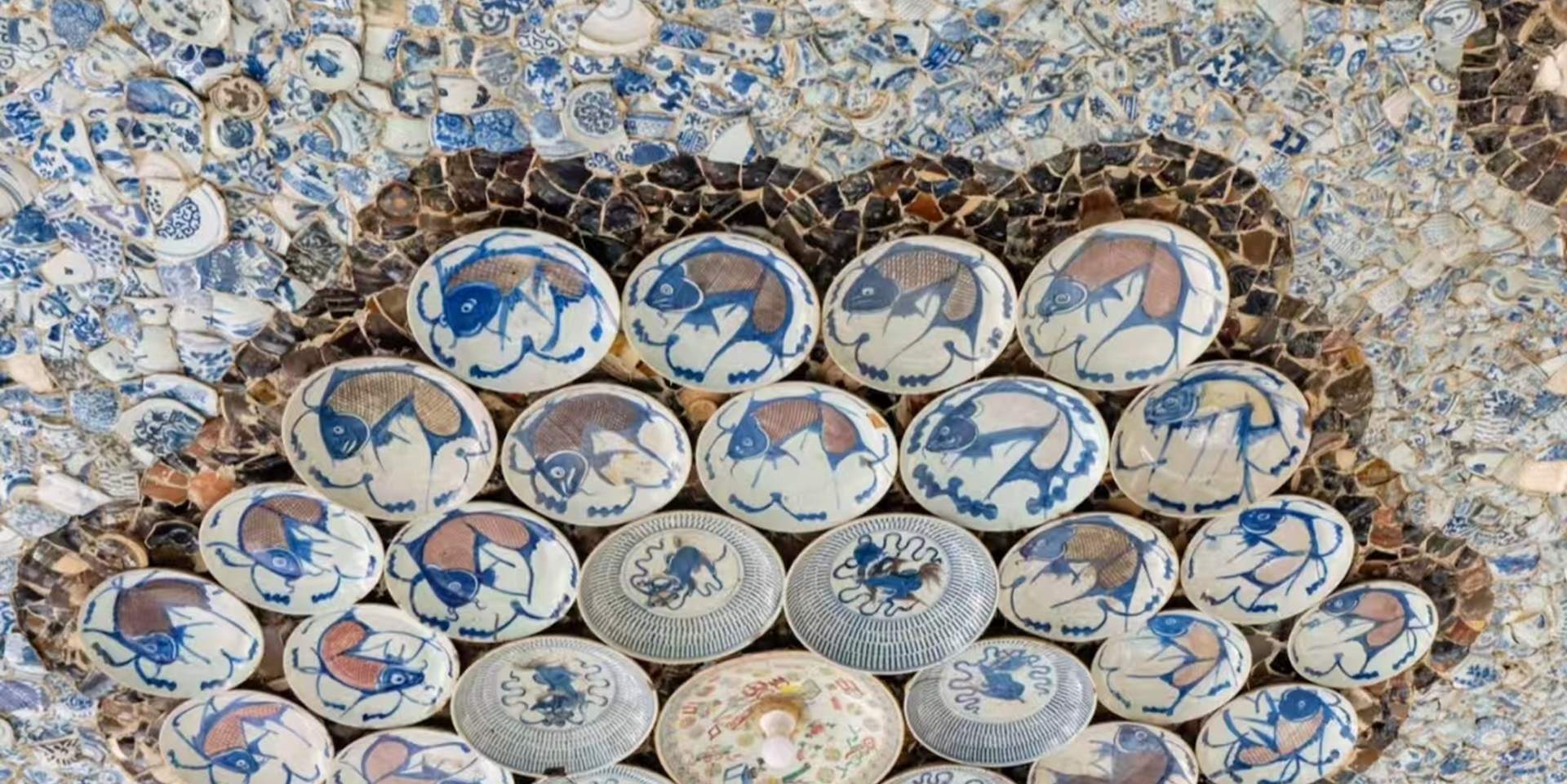
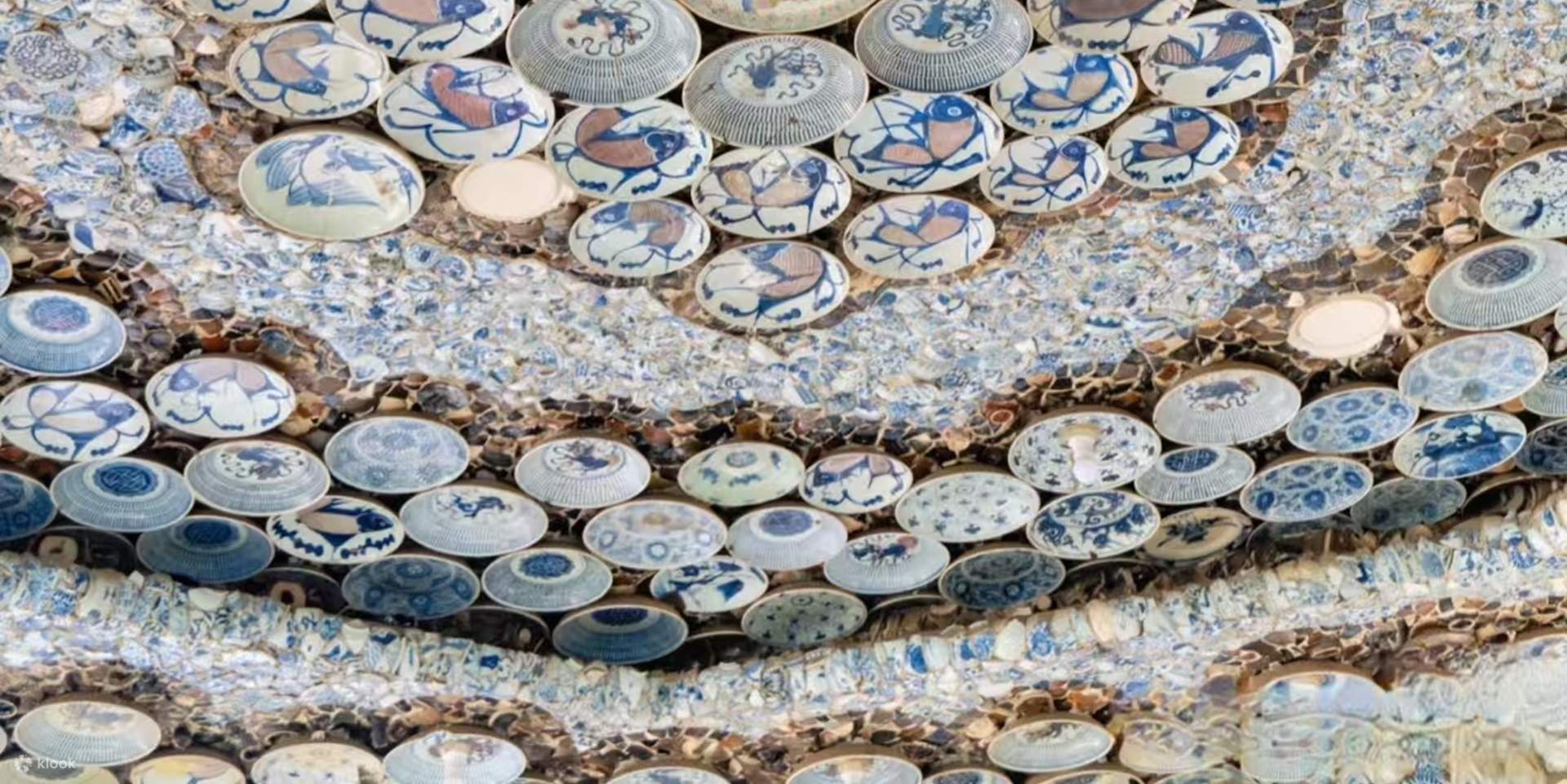
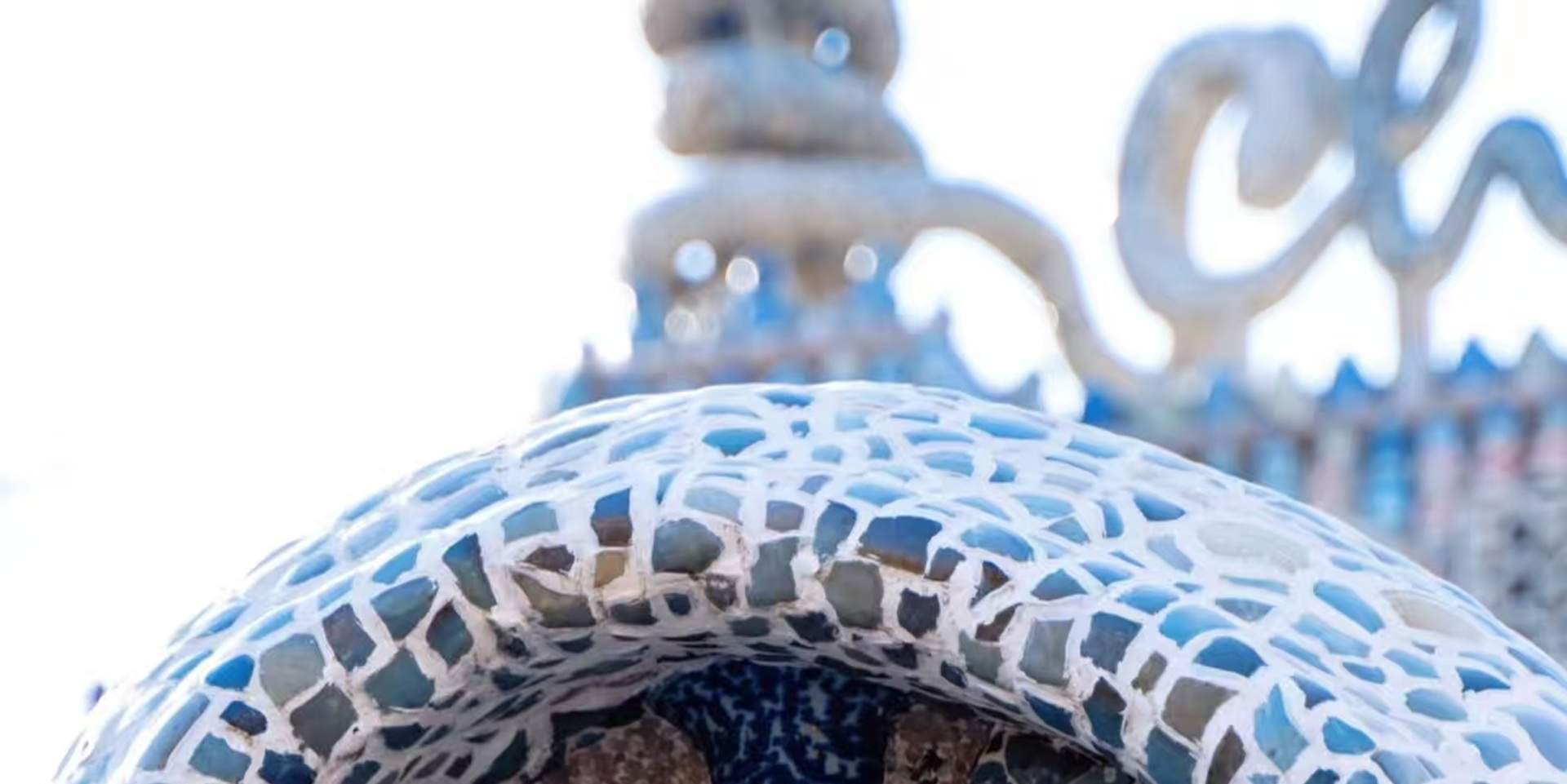
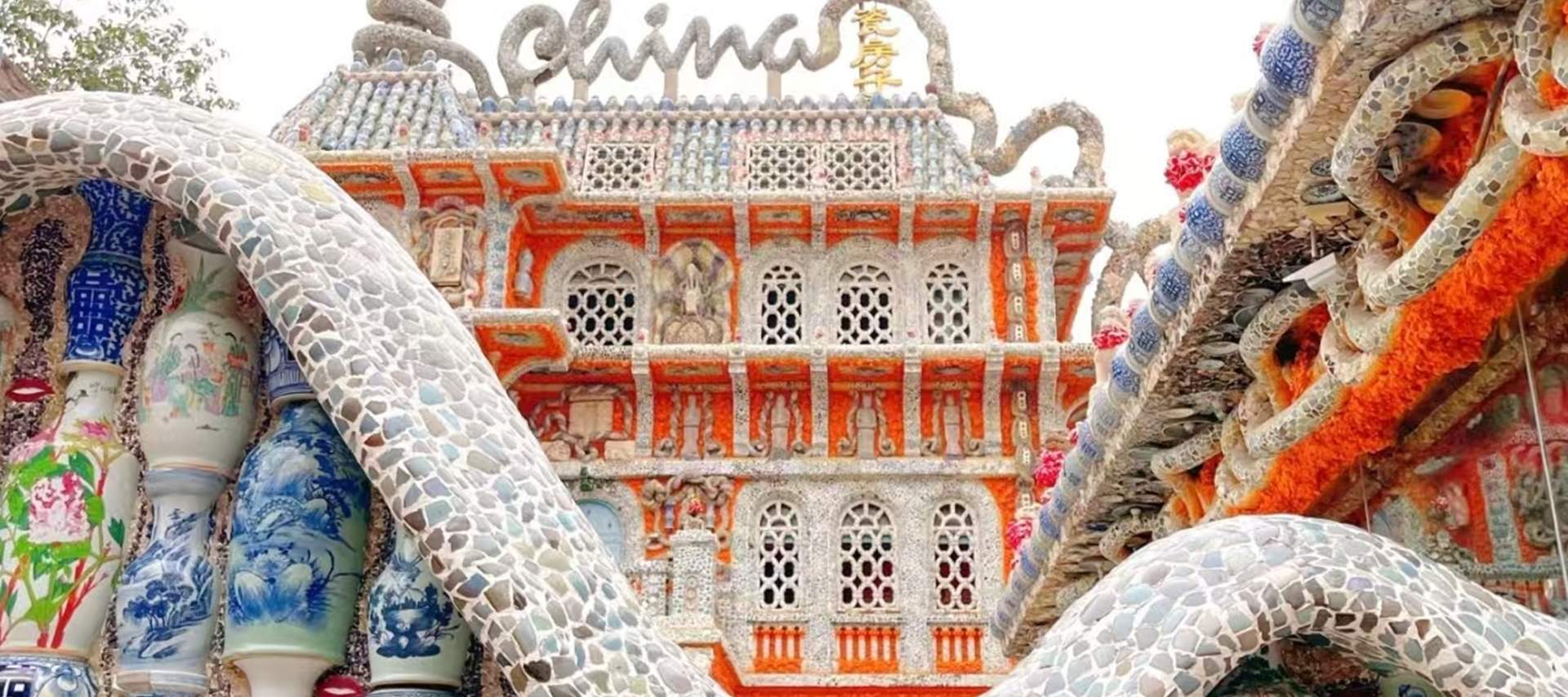
- Approaching the Porcelain House, the first thing that hits the vision is the "brilliant feeling" of the entire building being wrapped in porcelain pieces. Whether it is the exterior wall, roof, pillars, or door and window frames, stair railings, and even the rockery and sculptures in the courtyard, they are covered with dense porcelain pieces. Under the sunlight, the different colors of porcelain pieces refract a warm luster, like a "flowing porcelain art scroll."
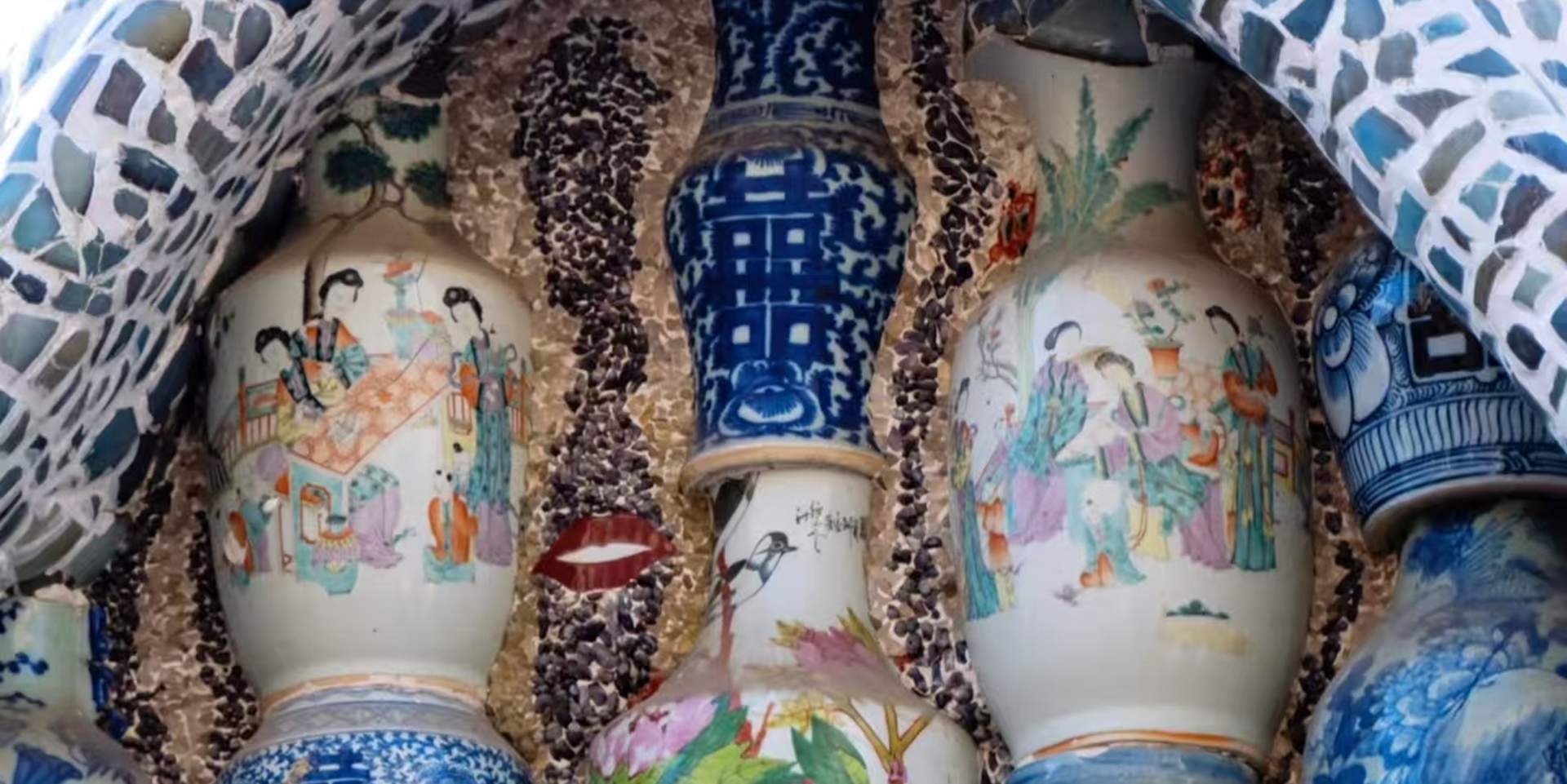
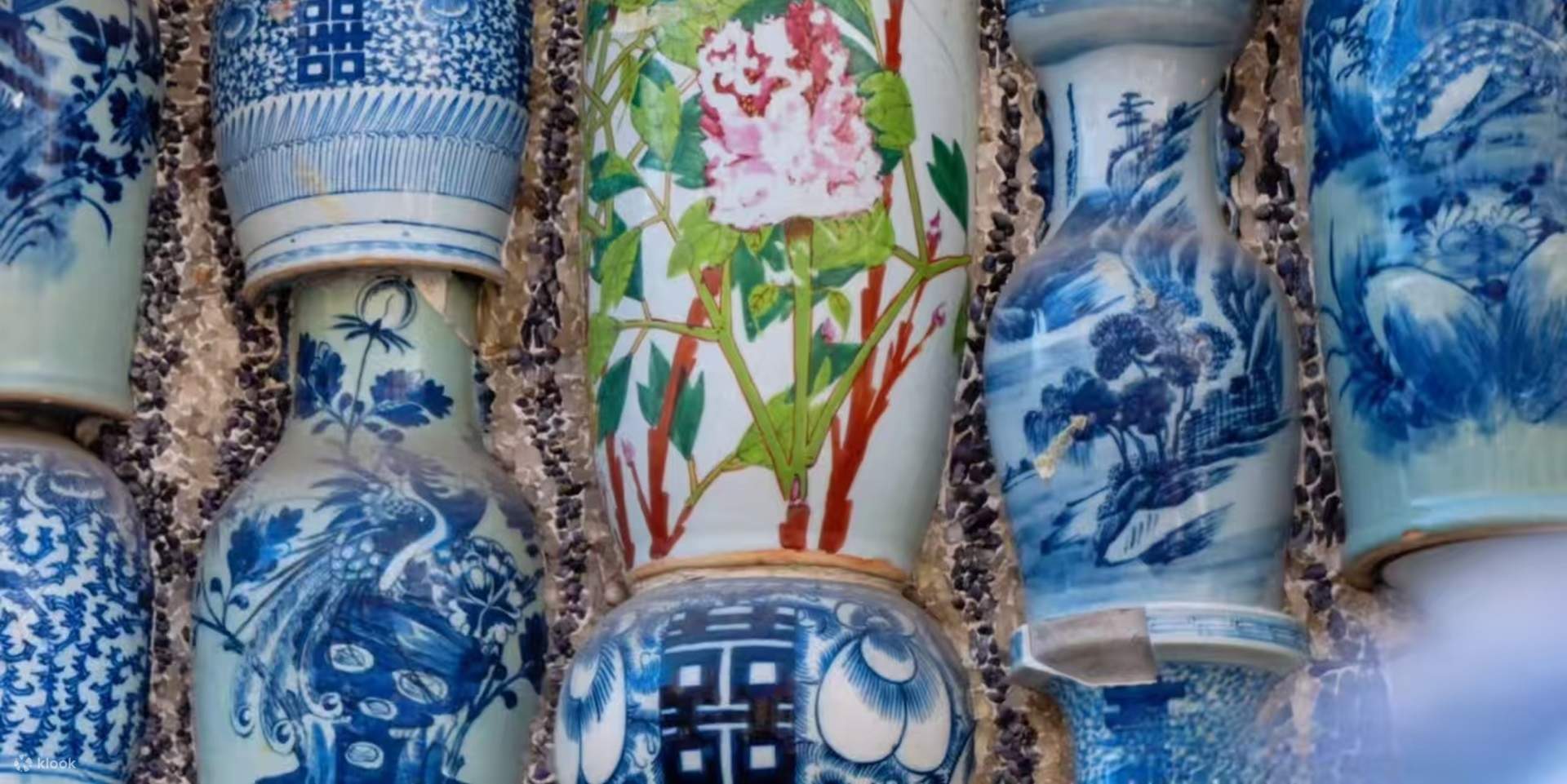
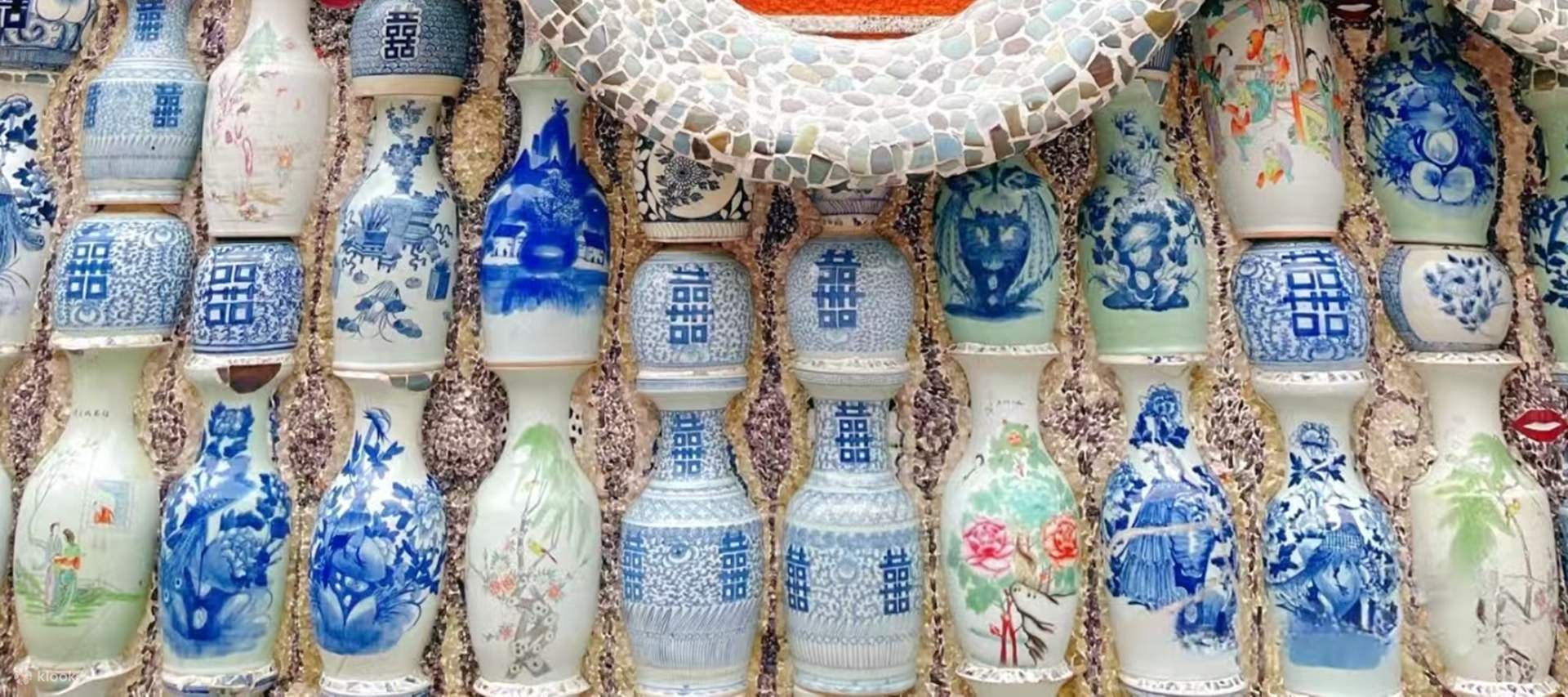
- According to statistics, the renovation of the Porcelain House has used a total of 1 million pieces of ancient porcelain shards, 13,000 complete porcelain pieces, more than 300 porcelain bottles, and dozens of porcelain plates and bowls. These porcelain materials cover many periods from the Ming and Qing dynasties to the Republic of China, and the variety is amazingly rich: there are both famous kiln porcelains such as blue and white, famille rose, Jun porcelain, and Ru porcelain, as well as folk common blue and white porcelain pieces; there are both colorful "underglaze red" porcelain pieces, and elegant "shadow celadon" fragments. There are many treasures among them, such as some Ming and Qing official kiln porcelain pieces, although they have been worn out over the years, you can still see the delicate patterns and exquisite craftsmanship.
- These porcelain materials are not stacked randomly, but are carefully selected and classified. Zhang Lianzhi's team classifies the porcelain pieces according to color, age, and pattern, and then splices them according to the architectural structure and aesthetic needs: the exterior wall is based on blue and white blue and white porcelain pieces, and is decorated with red and yellow famille rose porcelain pieces; the roof is arranged with complete porcelain bottles into a "wavy shape" to simulate the effect of traditional building tiles; the rockery in the courtyard is pieced together with porcelain pieces of different sizes to create a "layered" artistic conception, and even a Qing Dynasty blue and white porcelain bottle is placed on the top of the rockery, which becomes the visual focus.

China is known as the "Land of Porcelain." From the Tang Dynasty's Tang Sancai to the Five Great Kilns of the Song Dynasty, and from the Ming Dynasty's blue and white porcelain to the Qing Dynasty's famille rose, porcelain is not only a practical object b
The Porcelain House has "moved" porcelain culture onto architecture, allowing the millennia-old charm of porcelain to become vivid through "touchable, observable, and experienceable" means. As tourists stroll through the Porcelain House, they can see trad
The Porcelain House has become a cultural landmark in Tianjin, not only because of its unique appearance, but also because it carries the connotation of China's thousands of years of porcelain culture, becoming a "living fossil" of intangible cultural her
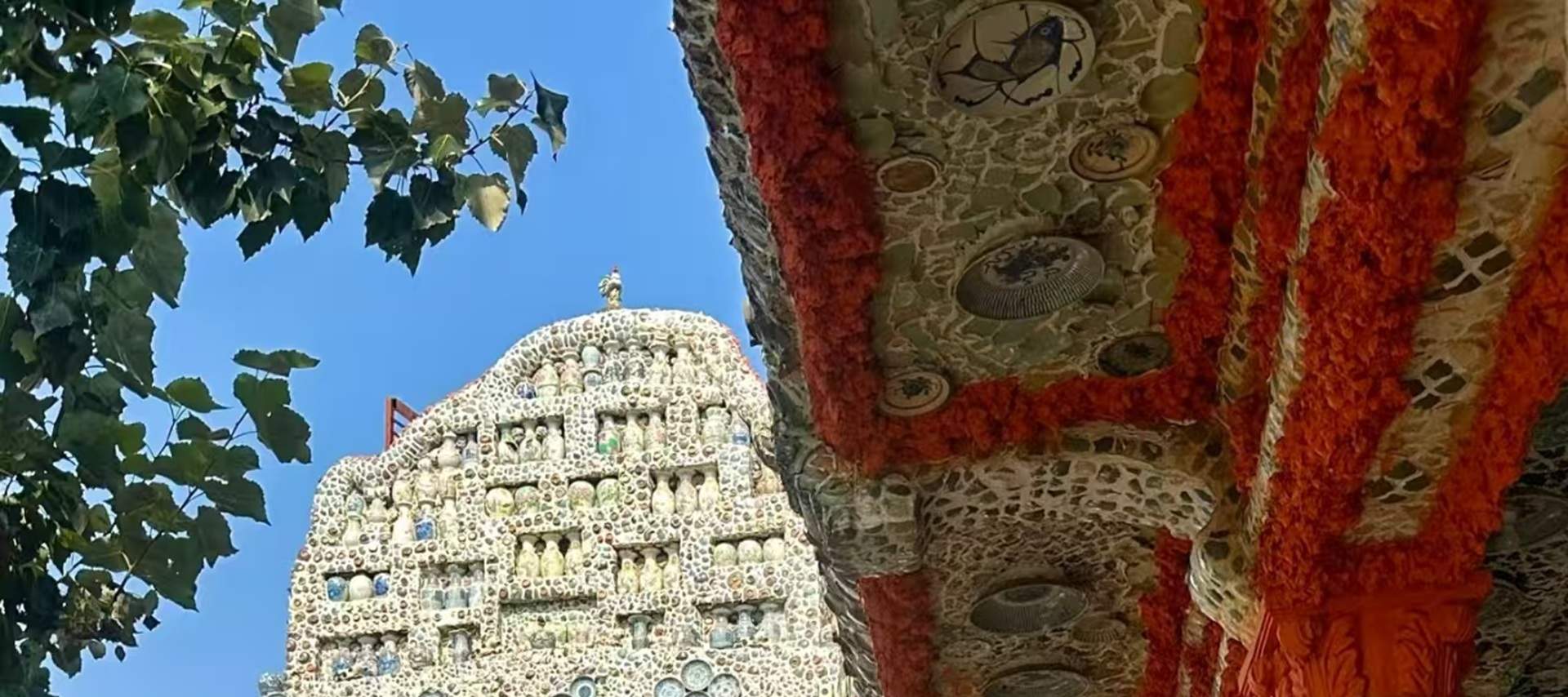

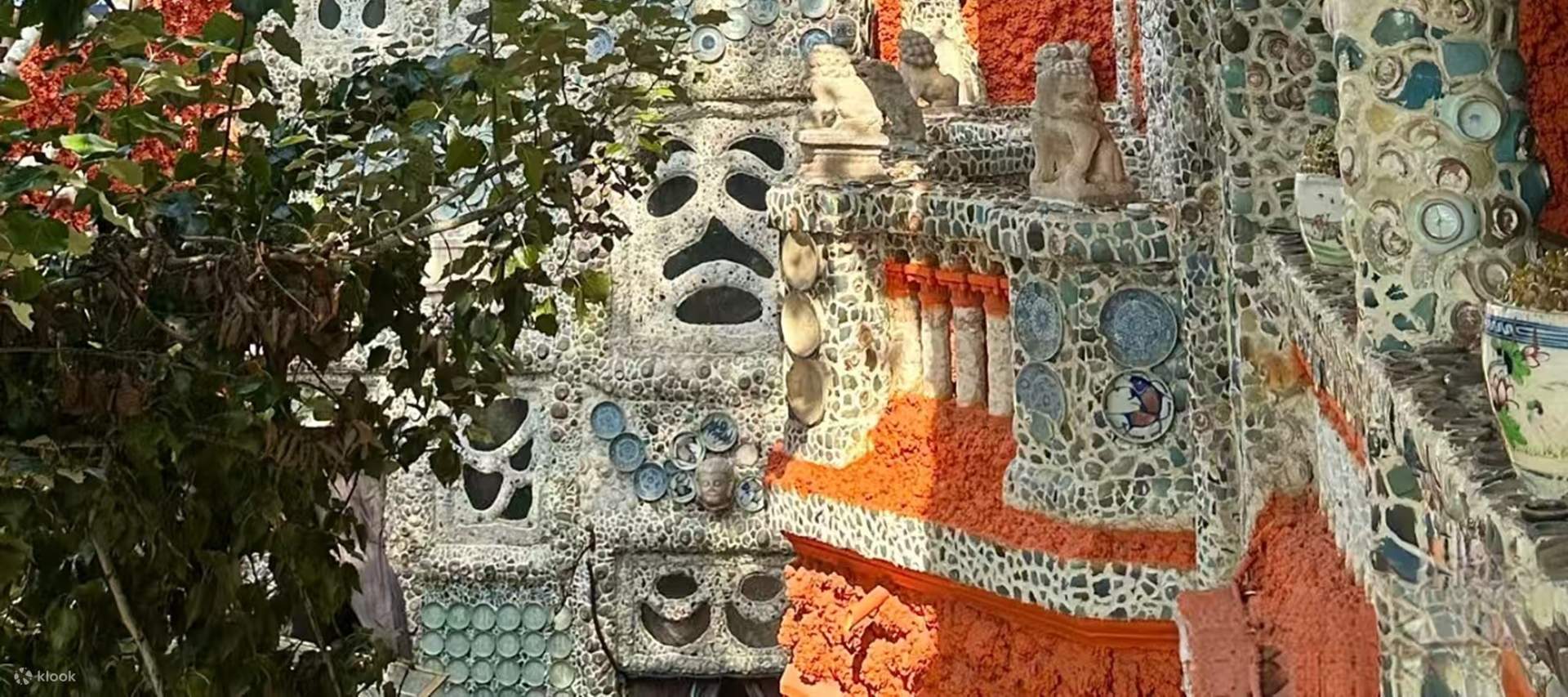
Experience the difference in craftsmanship between "Official Kiln" and "Folk Kiln" through the complete display of porcelain; you can even touch the porcelain pieces on the wall to feel the warm and moist texture of the porcelain material.

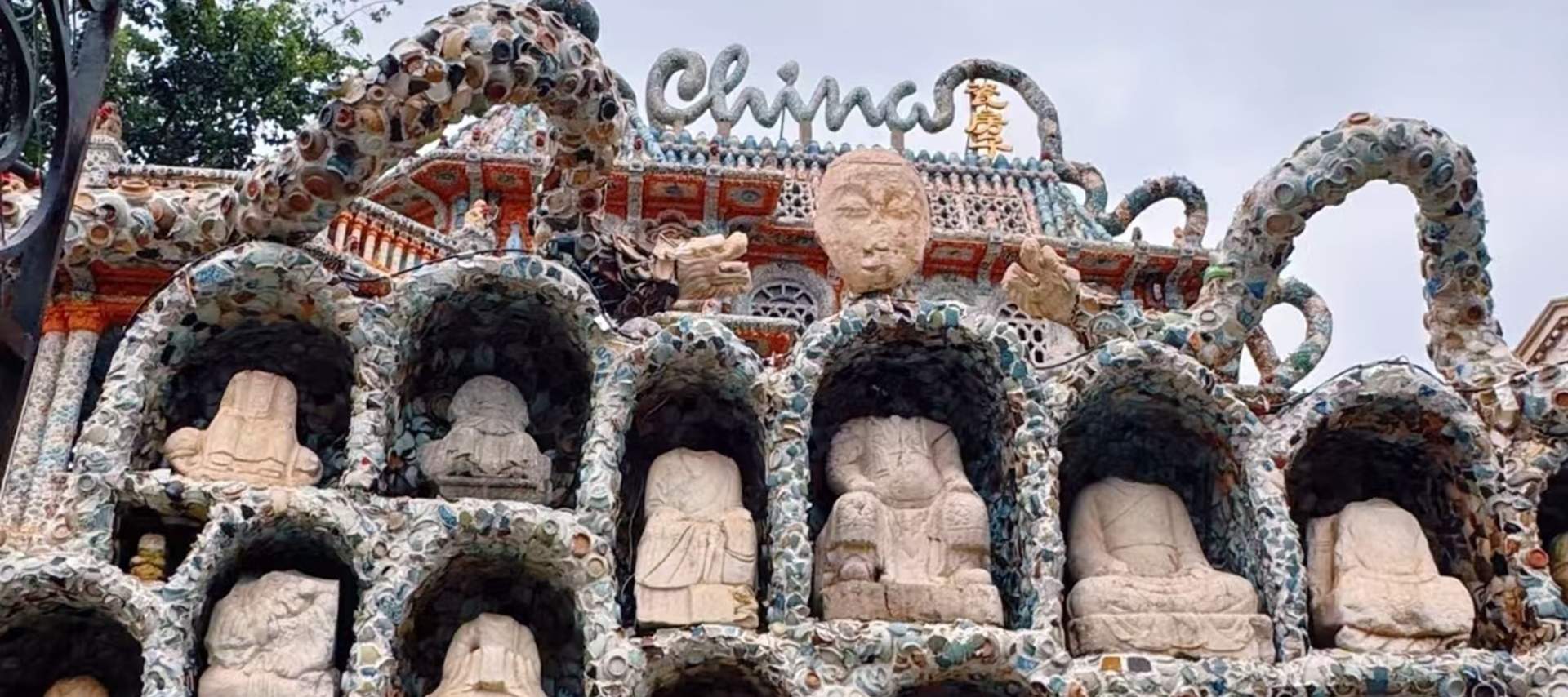
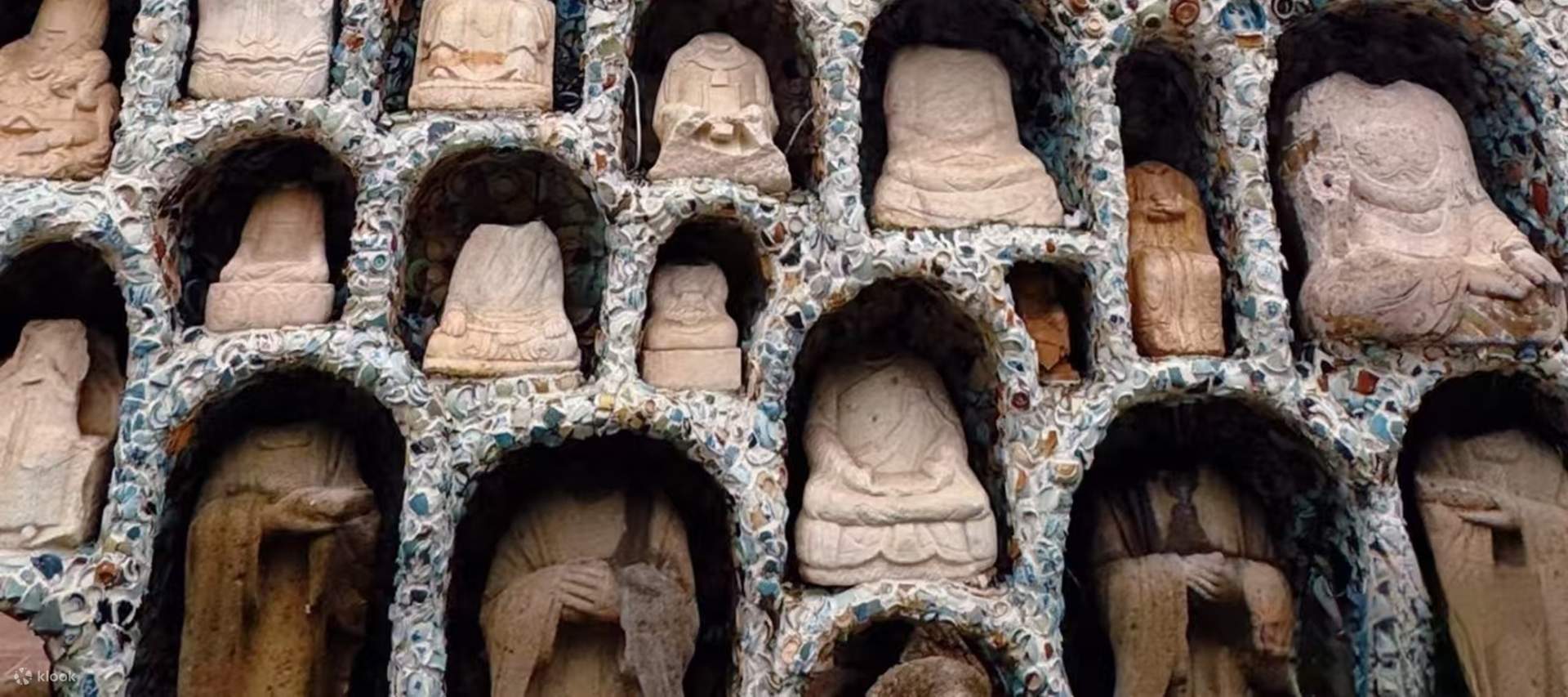
Glittering tile exterior, unique architectural design, and decorations full of detail
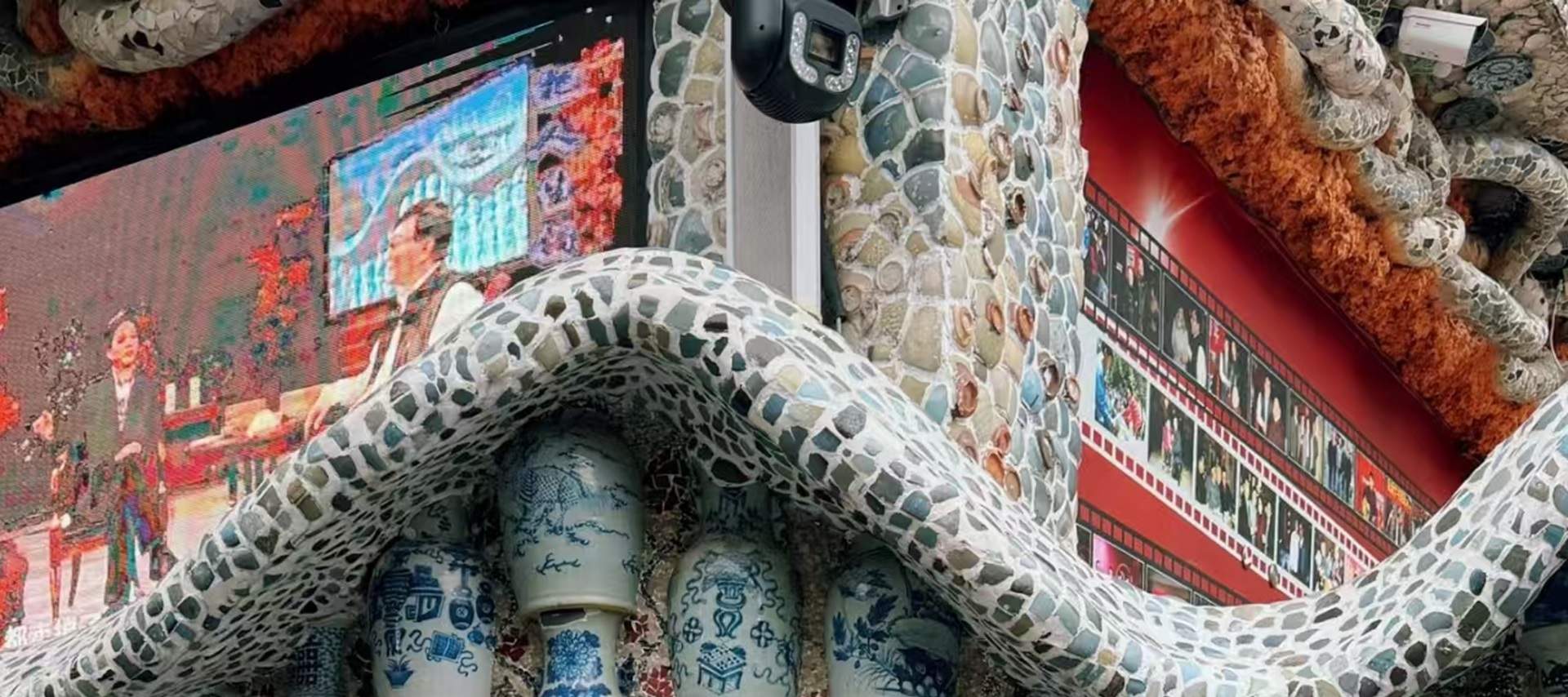
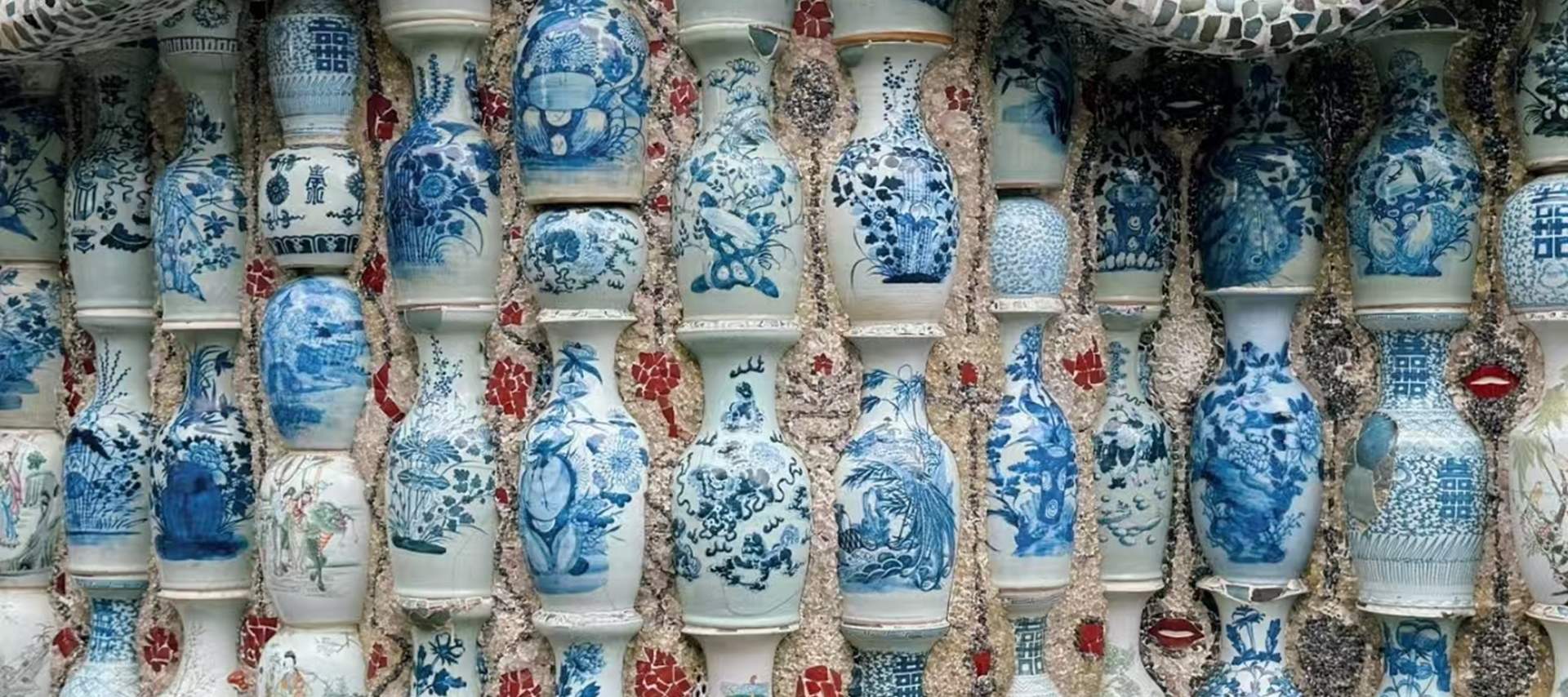
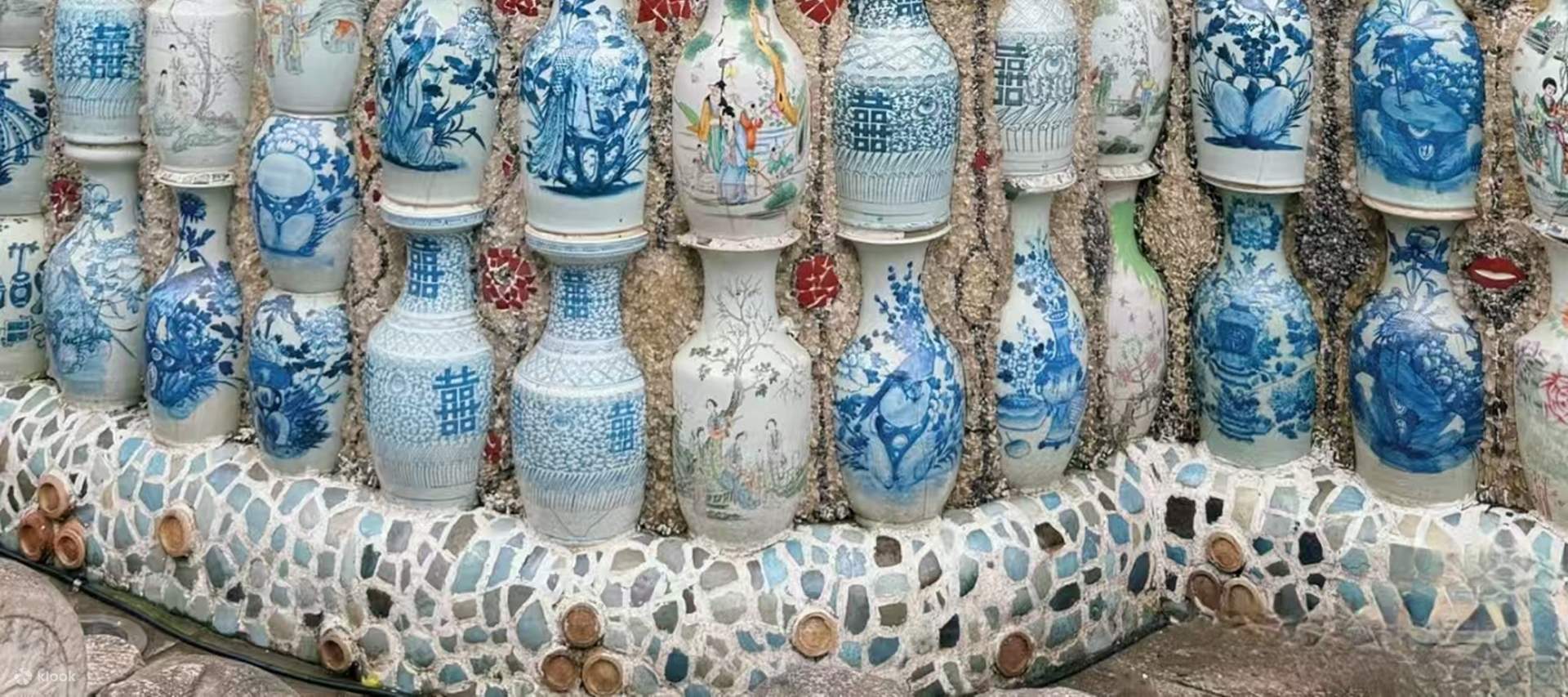
The exterior walls, roof, window and door frames, and even the stair railings are all pieced together and inlaid with ceramic tiles, incorporating complete objects such as ceramic bottles, plates, and bowls.
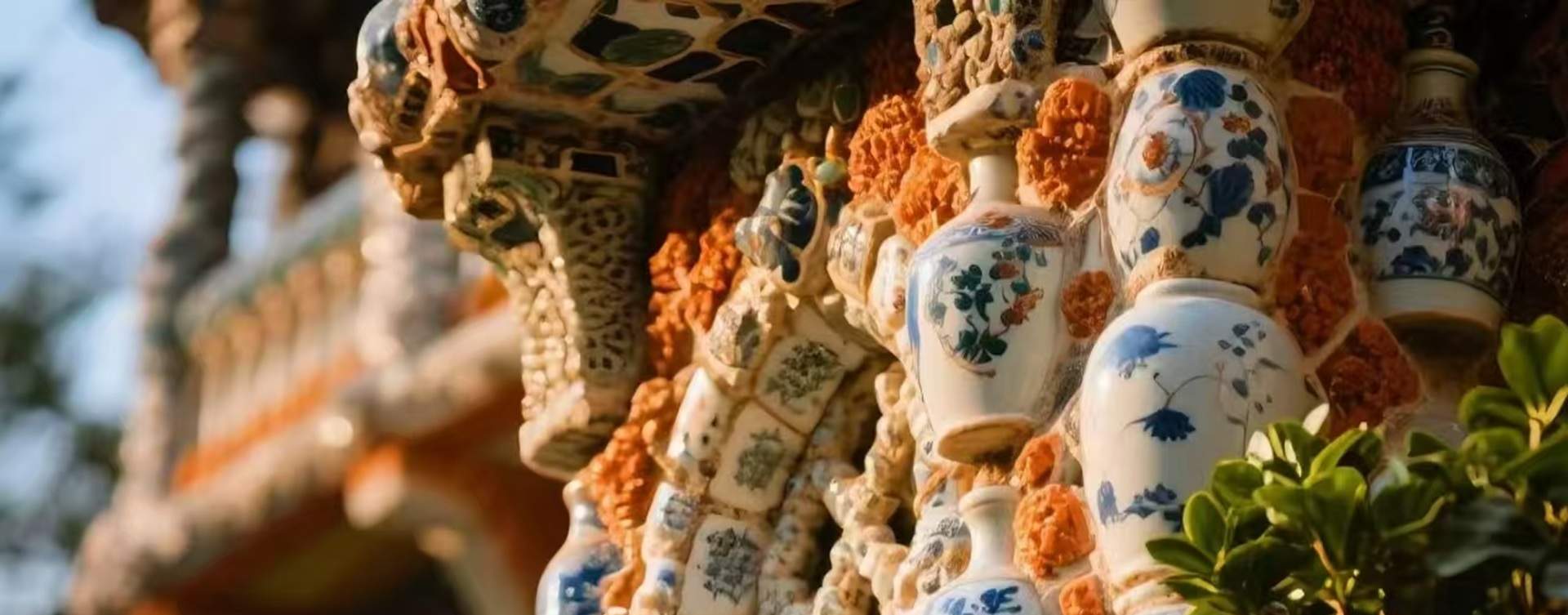
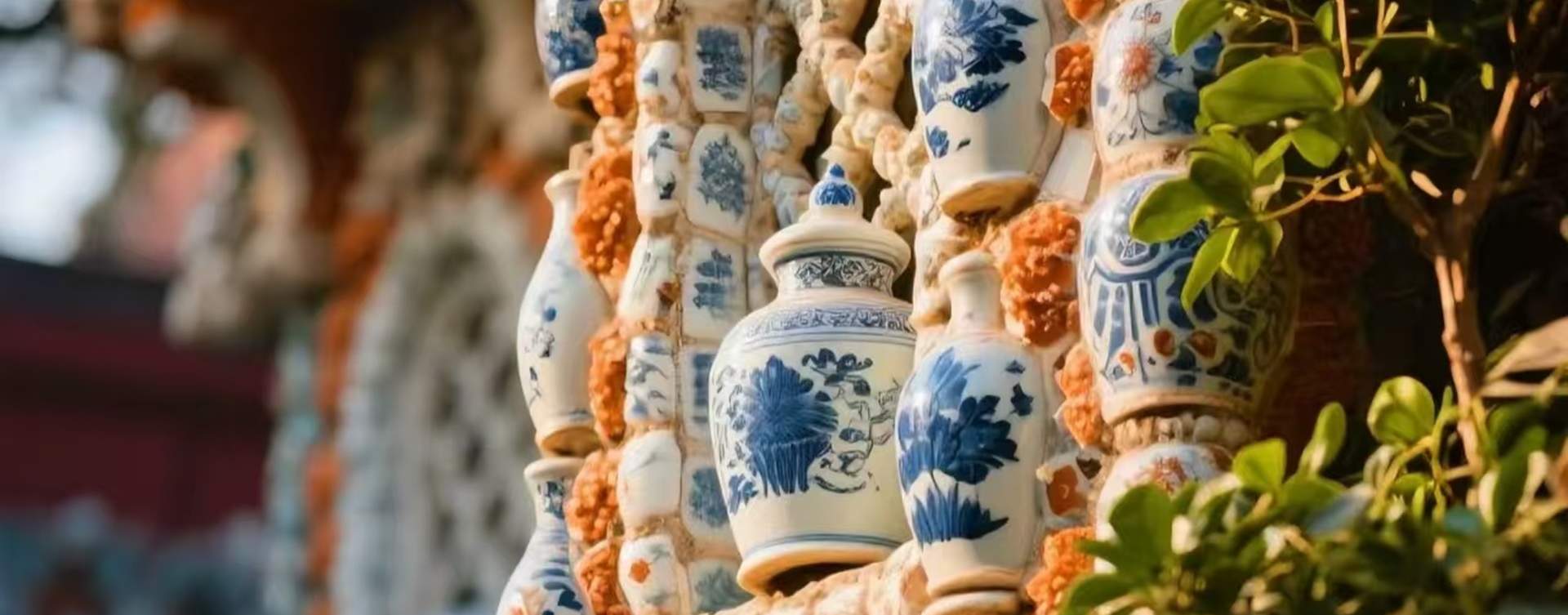
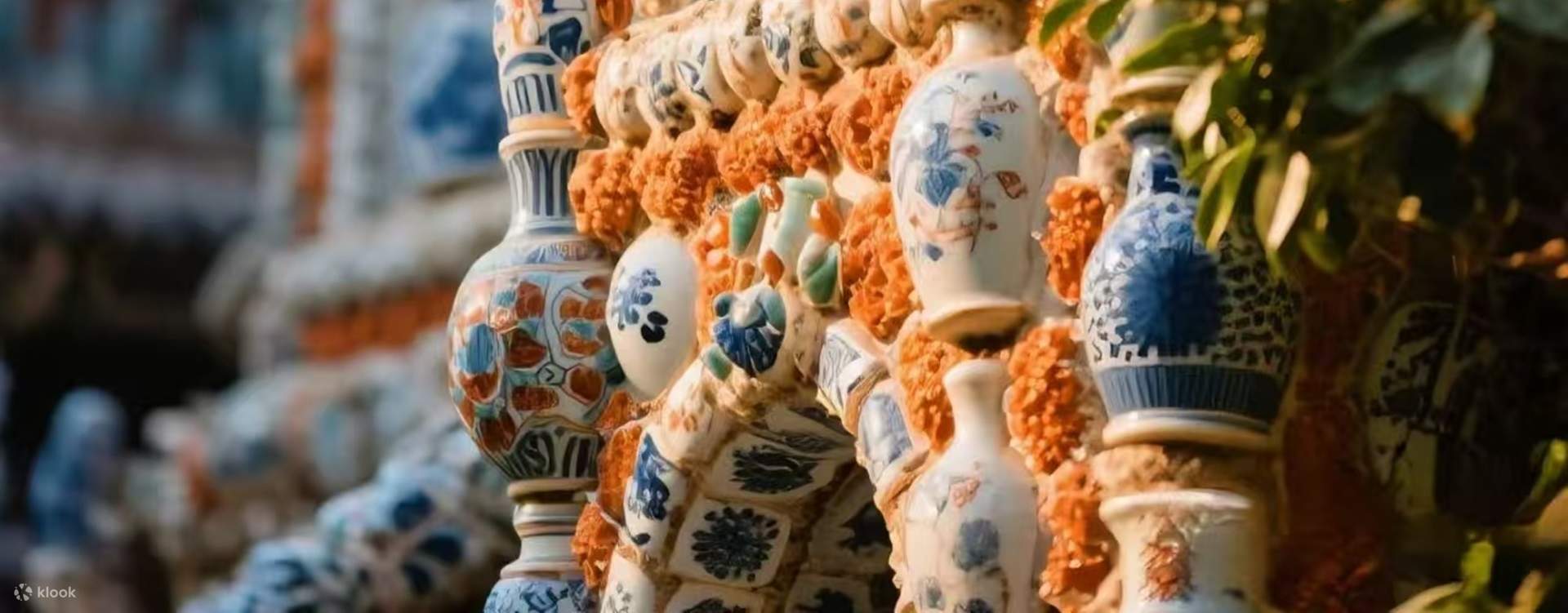
The porcelain tiles shimmer brilliantly in the sunlight, with rich colors and distinct layers, earning it the reputation as "a house piled with porcelain," creating a strong visual impact.
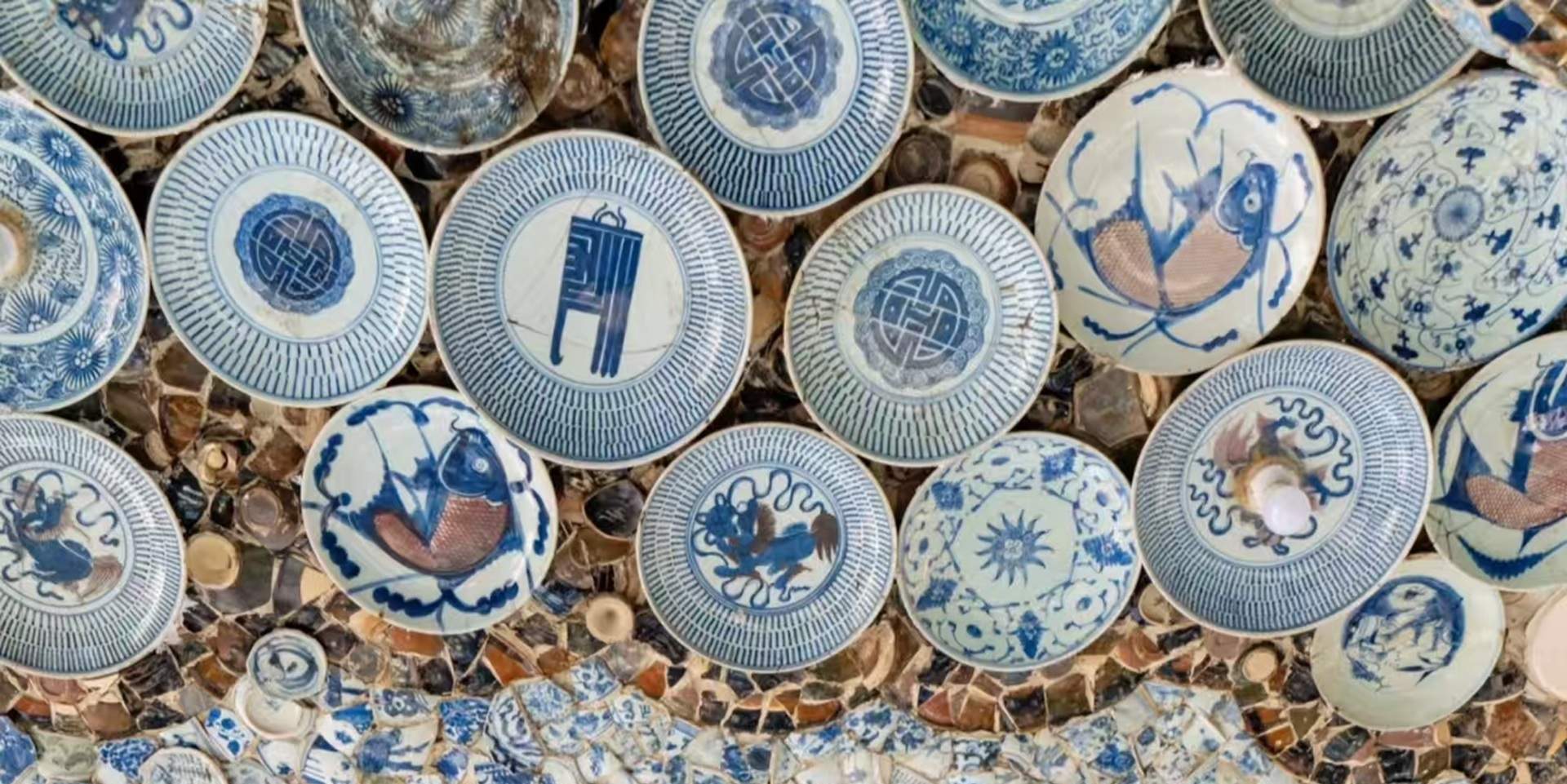
It not only embodies the cultural characteristics of Tianjin's modern "integration of Chinese and Western elements", but also demonstrates Tianjin's contemporary innovative inheritance of traditional culture.
The house has repeatedly appeared on domestic and international travel lists and has been named "China's Most Creative Building" and "Tianjin's Must-Visit Cultural Landmark."
From the Republican-era western-style buildings to the porcelain art wonders, from cultural carriers to cultural tourism landmarks, the Tianjin Porcelain House has built a "living porcelain culture museum" with millions of pieces of porcelain.
Location
Contact us
Got a question about this activity? Ask us on live chat!