
8-12 o'clock
12-16 o'clock
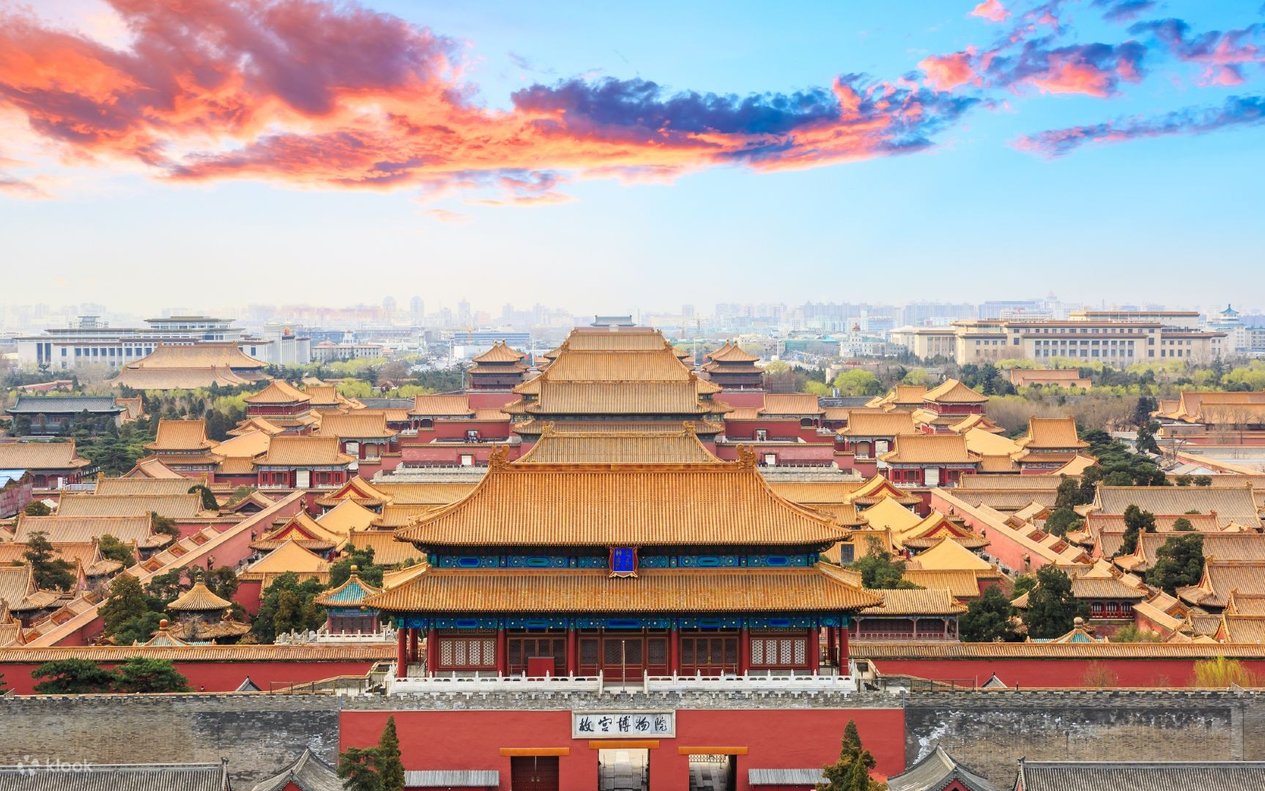
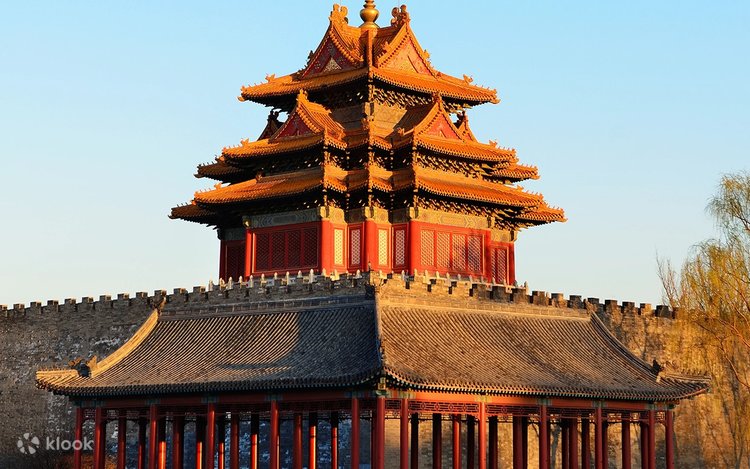
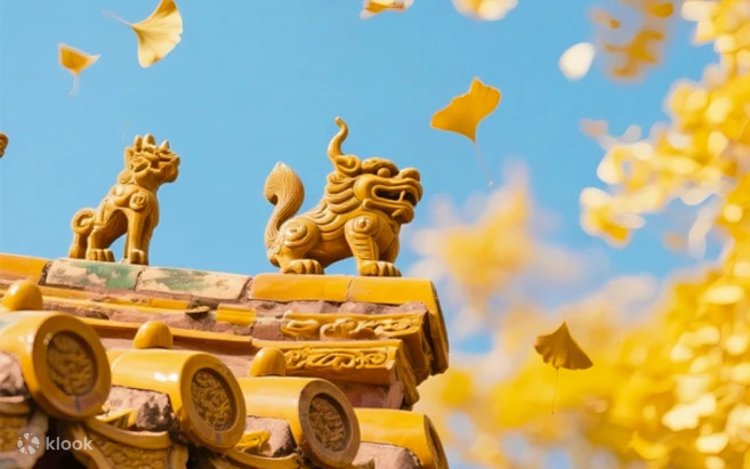



The Forbidden City in Beijing was the imperial palace for 24 emperors during the Ming and Qing dynasties of China, and it is also the best place to learn about ancient Chinese architecture and historical culture. Here, you can learn about China's long cultural traditions. As the world's largest and most complete ancient architectural complex, its planar layout, three-dimensional effect, and formal grandeur are arguably rare in ancient times, which is why it has been listed as a "World Cultural Heritage" by UNESCO. Some palaces in the Forbidden City also house comprehensive historical art museums, painting galleries, specialized ceramic museums, the Four Treasures of the Study museum, and exhibitions of Qing Dynasty court documents and cultural relics, collecting a large number of ancient art treasures. The daily clock demonstrations at the Clock and Watch Gallery are also not to be missed.

8-12 o'clock
12-16 o'clock

Forbidden City (Imperial Palace)

The Forbidden City in Beijing was the imperial palace for 24 emperors during the Ming and Qing dynasties of China, and it is also the best place to learn about ancient Chinese architecture and historical culture. Here, you can learn about China's long cultural traditions. As the world's largest and most complete ancient architectural complex, its planar layout, three-dimensional effect, and formal grandeur are arguably rare in ancient times, which is why it has been listed as a "World Cultural Heritage" by UNESCO. Some palaces in the Forbidden City also house comprehensive historical art museums, painting galleries, specialized ceramic museums, the Four Treasures of the Study museum, and exhibitions of Qing Dynasty court documents and cultural relics, collecting a large number of ancient art treasures. The daily clock demonstrations at the Clock and Watch Gallery are also not to be missed.