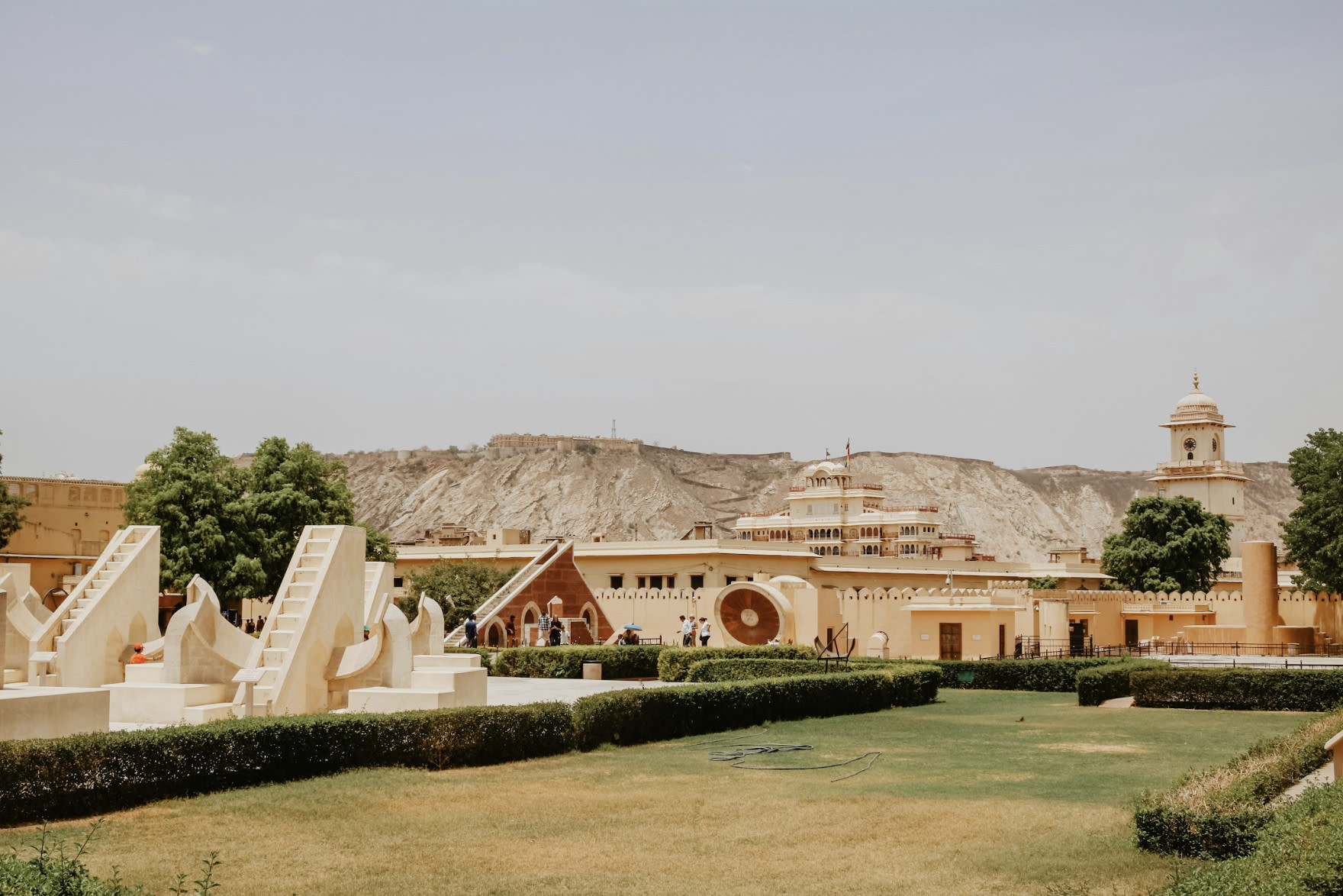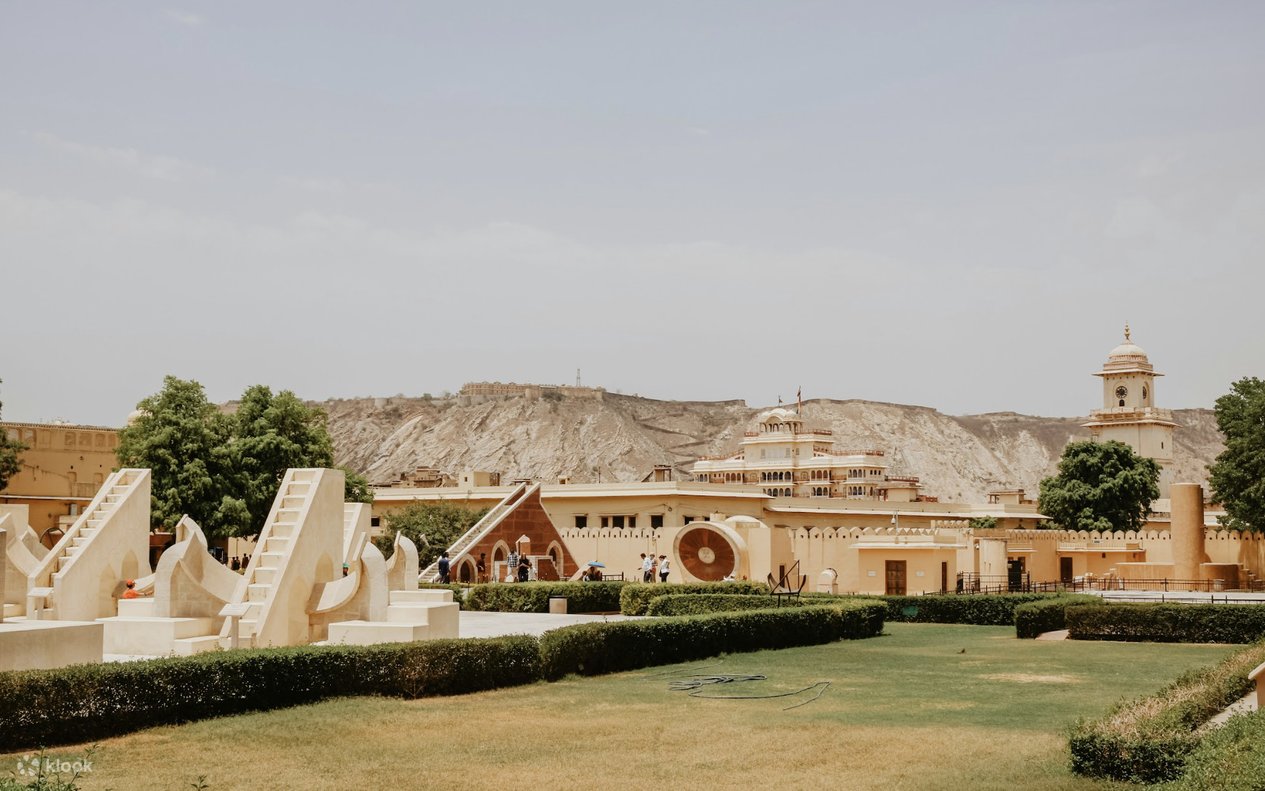
Jantar Mantar Ticket with Optional Guide
Packages
Entry Ticket (Foreigner Access)
Reviews
Highlights

18th-century open-air observatory
Discover Jantar Mantar, a UNESCO World Heritage Site built by Maharaja Sawai Jai Singh II with 19 giant astronomical instruments.
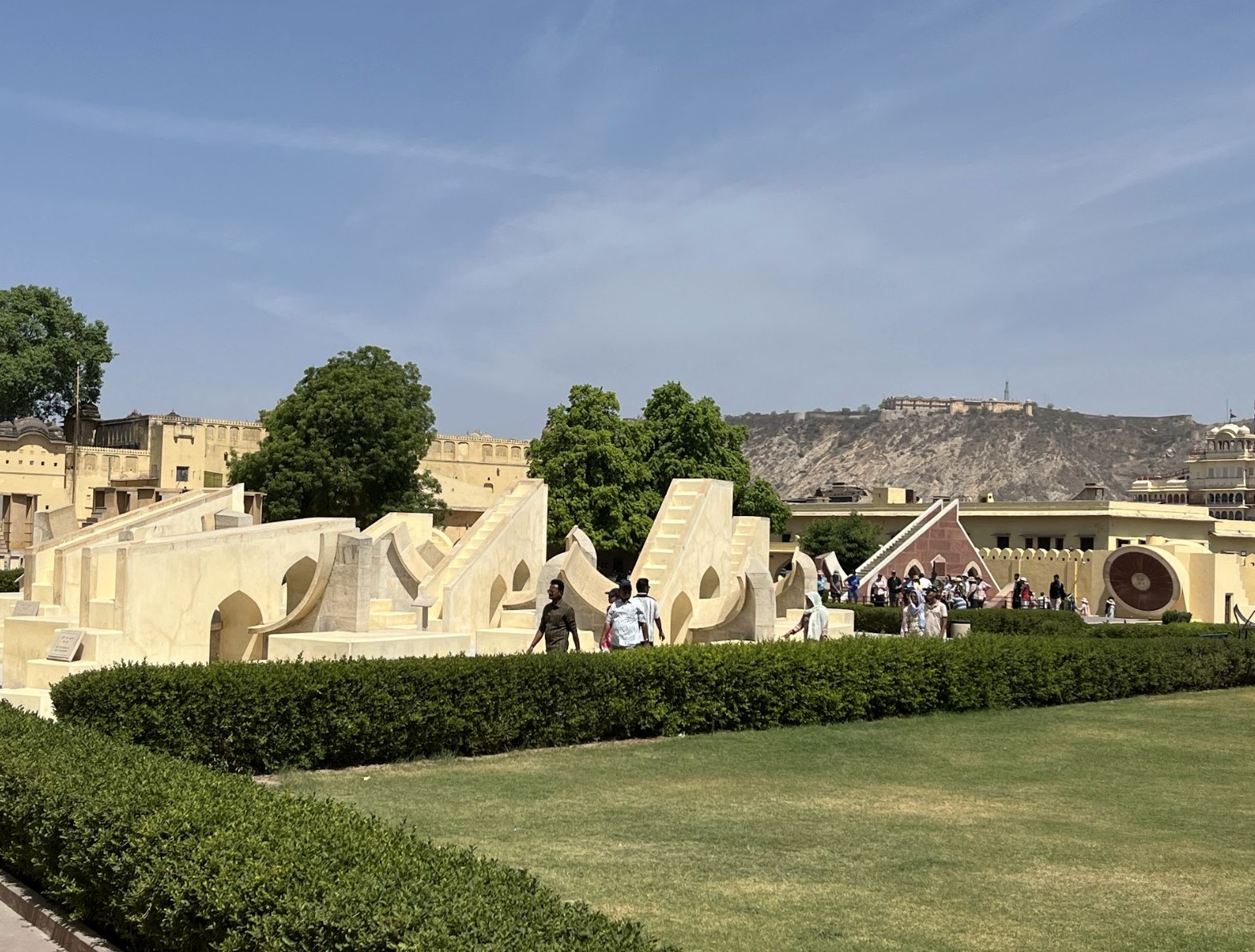
World's largest stone sundial
Stand beside the towering Samrat Yantra and see how ancient India tracked time, stars and eclipses without any modern technology.
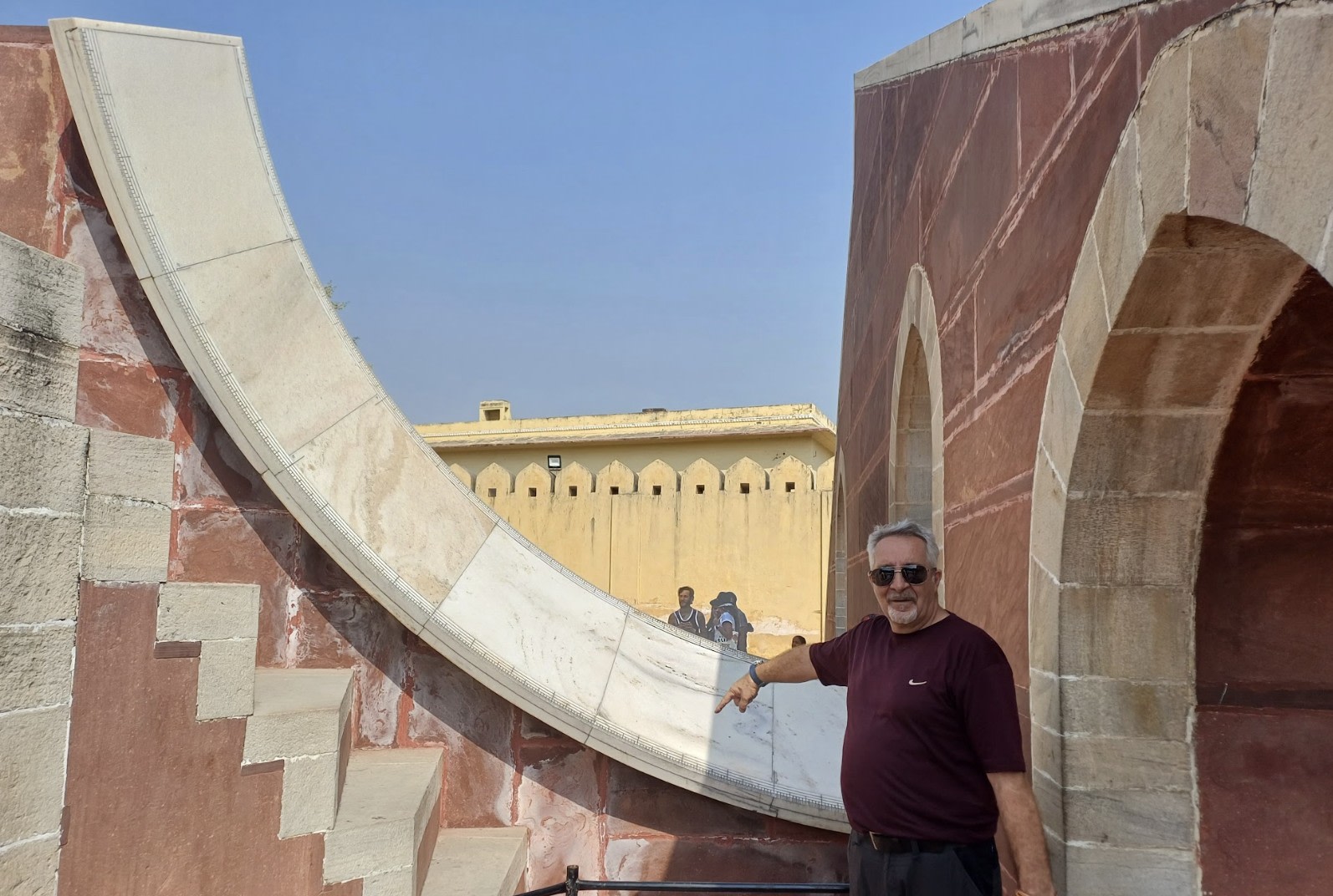
Explore with a private guide
Walk between the Jai Prakash and Ram Yantra as an expert reveals the fascinating science and stories behind each structure.
Guide
- Explore the largest stone astronomical observatory in the world
- See ancient instruments that still calculate time, eclipse, and celestial events
- UNESCO World Heritage Site and a scientific marvel of the 18th century
- Perfect for travelers interested in astronomy, history, and architecture
- Learn the stories behind each structure with an optional private guide
Discover the scientific genius of ancient India at Jantar Mantar, an open-air observatory built by Maharaja Sawai Jai Singh II in the heart of Jaipur. This UNESCO World Heritage Site houses 19 large-scale astronomical instruments, including the world’s largest stone sundial. Each structure was built for specific celestial calculations—measuring time, tracking stars, and predicting eclipses—all without any modern technology.
Walk through this architectural marvel and explore instruments like the Samrat Yantra, Jai Prakash, and Ram Yantra. Whether you're a science buff, history lover, or curious traveler, this site offers a deep dive into 18th-century innovation. Opt for a private guide to enhance your experience with fascinating insights and stories behind each instrument.