There are lots of things to see and do in Tokyo.
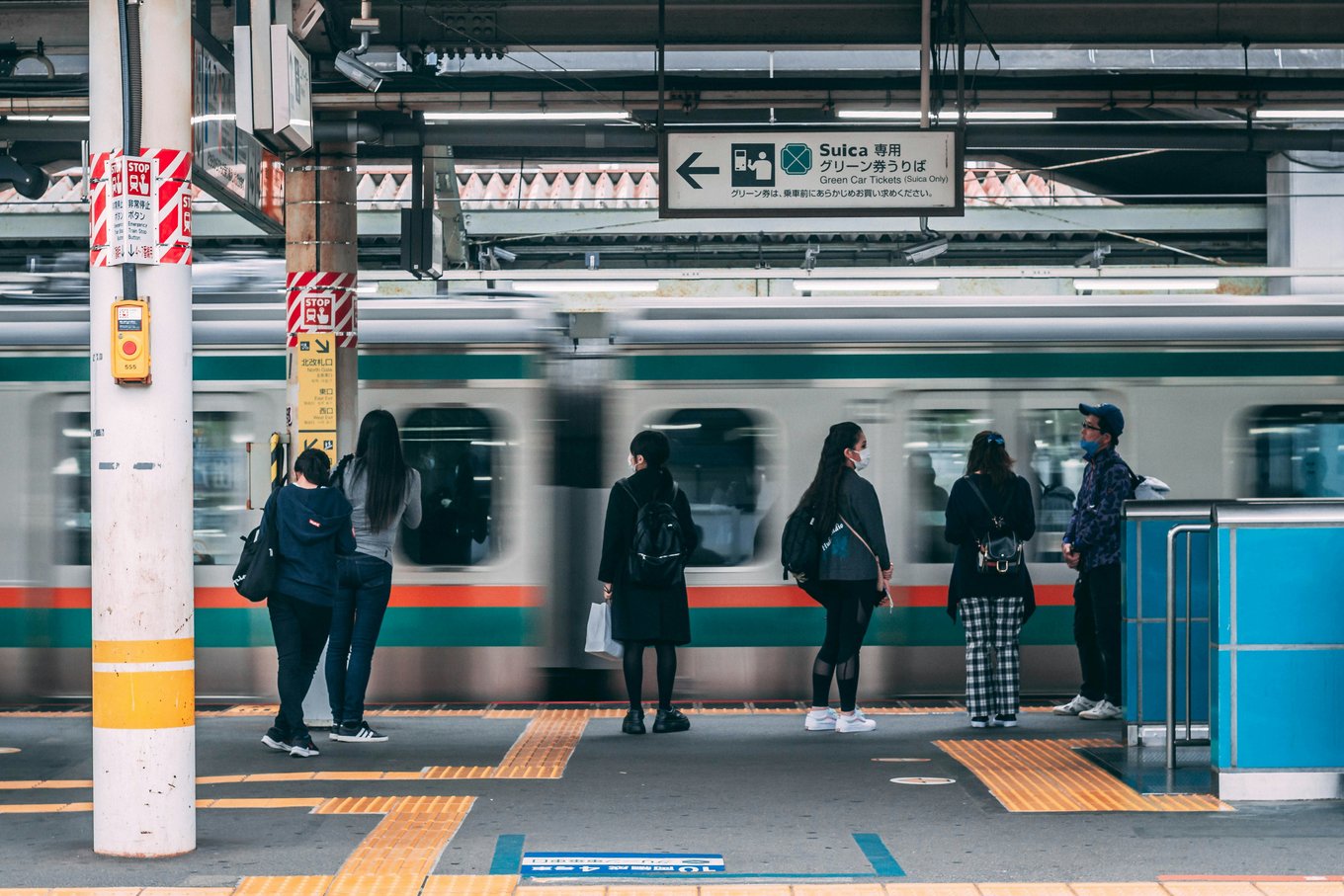
The Tokyo train system is a vast network of railways operated by JR East, Tokyo Metro, and Toei Subway, covering over 280 stations across more than 30 lines. It's one of the world's most efficient public transit systems, making it easy for tourists to reach virtually any destination in the city using prepaid IC cards or unlimited travel passes.
It’s a city that gives you the best of both worlds: rich culture and vibrant modern life. One moment you could be strolling through the peaceful grounds of
Meiji Shrine or
Senso-ji Temple, and the next you’re hopping on a train to shopping districts like Harajuku or Ginza. Tokyo is also a paradise for foodies, home to numerous Michelin-starred restaurants. ⭐️
With the many different places to be in
Tokyo, you’ll have to master its train system. Sure, it could be intimidating at first with a web of lines, but Japan’s efficient transportation system makes it super easy to get around. Lucky you, our guide covers them all: from Tokyo trains to the Japan Rail (JR)! We’ll also be talking about which Tokyo train pass you should get.
Quick Facts: Tokyo Train Essentials
Operating hours: Approximately 5:00 AM to midnight daily
Main operators: JR East, Tokyo Metro, and Toei Subway
Key statistics: 9 Tokyo Metro lines, 4 Toei Subway lines, 36 JR East lines in Tokyo, 13 combined subway routes, 250+ metro stops
Best tourist line: Yamanote Line (JR Loop Line) – yellow-green, line number 6
Recommended passes: Tokyo Subway Pass (72 hours for ~1,500 JPY / ~10.05 USD), Suica IC Card (works everywhere), JR Tokyo Wide Pass (3 days)
Rush hours to avoid: 7:30–9:30 AM and 5:00–8:00 PM
What are the major train services in Tokyo?
Tokyo's train system is one of the world's largest and most efficient, operated by three main companies: JR East, Tokyo Metro, and Toei Subway. Together, they cover over 280 stations across more than 30 lines, making it easy to reach virtually any destination in the city.
While you can get almost anywhere quickly and cheaply via trains in Tokyo, the different train lines are run by a few different companies, so it can be a little confusing at times. But don’t sweat it! We’ll walk you through each one, so you’ll be zipping around the city like a local. The biggest of these are:
Tokyo Railway Companies at a Glance
Railway | Lines Covered | Best For (Tourist Use) |
|---|
JR East (Japan Rail) | 36 lines in Tokyo, including Yamanote Loop Line and Shinkansen | Reaching Akihabara, Harajuku, Tokyo Disney Resort, and day trips outside Tokyo |
Tokyo Metro | 9 subway lines across central Tokyo | Visiting Shibuya, Ginza, Asakusa, Roppongi, and Tokyo Dome |
Toei Subway | 4 subway lines with transfer stations | Accessing Tokyo Skytree, Tsukiji Market, and Sumida River |
Japan Rail (JR) runs the most extensive network of trains in Japan, including the shinkansen bullet trains that connect the major cities to Tokyo and vice versa. In Tokyo alone, there are 36 lines run by the JR East (the branch that covers the Kanto Region and the Tohoku Region) to make travelling around Tokyo and its neighboring prefectures a breeze. Riding the JR trains will get you to
Akihabara, Harajuku, Tokyo Disney Resort, and lots of other places. 📌
You can even ride the famous Tokyo Monorail, which directly connects
Haneda Airport to Tokyo’s
Ota, Shinagawa, and
Minato wards.
Does your bucket list cover famous attractions in Tokyo? If so, the Tokyo Metro Subway is your best companion, with nine lines across the city. Using the subway, you can reach popular areas, such as
Shibuya, Omotesando, Ginza, and
Asakusa via the Ginza Line; the
Tokyo Station via Marunouchi Line; and
Roppongi and the
Tokyo Dome via the Namboku Line.
Alternatively, you can ride the
Toei Subway, run by the Tokyo Metropolitan Bureau of Transportation, to get to several sightseeing areas. Take the Asakusa Line to reach the
Tokyo Skytree and Oedo Line to
Tsukiji Market and
Sumida River. The subway has four lines, as well as transfer stations for Tokyo Metro and the JR trains.
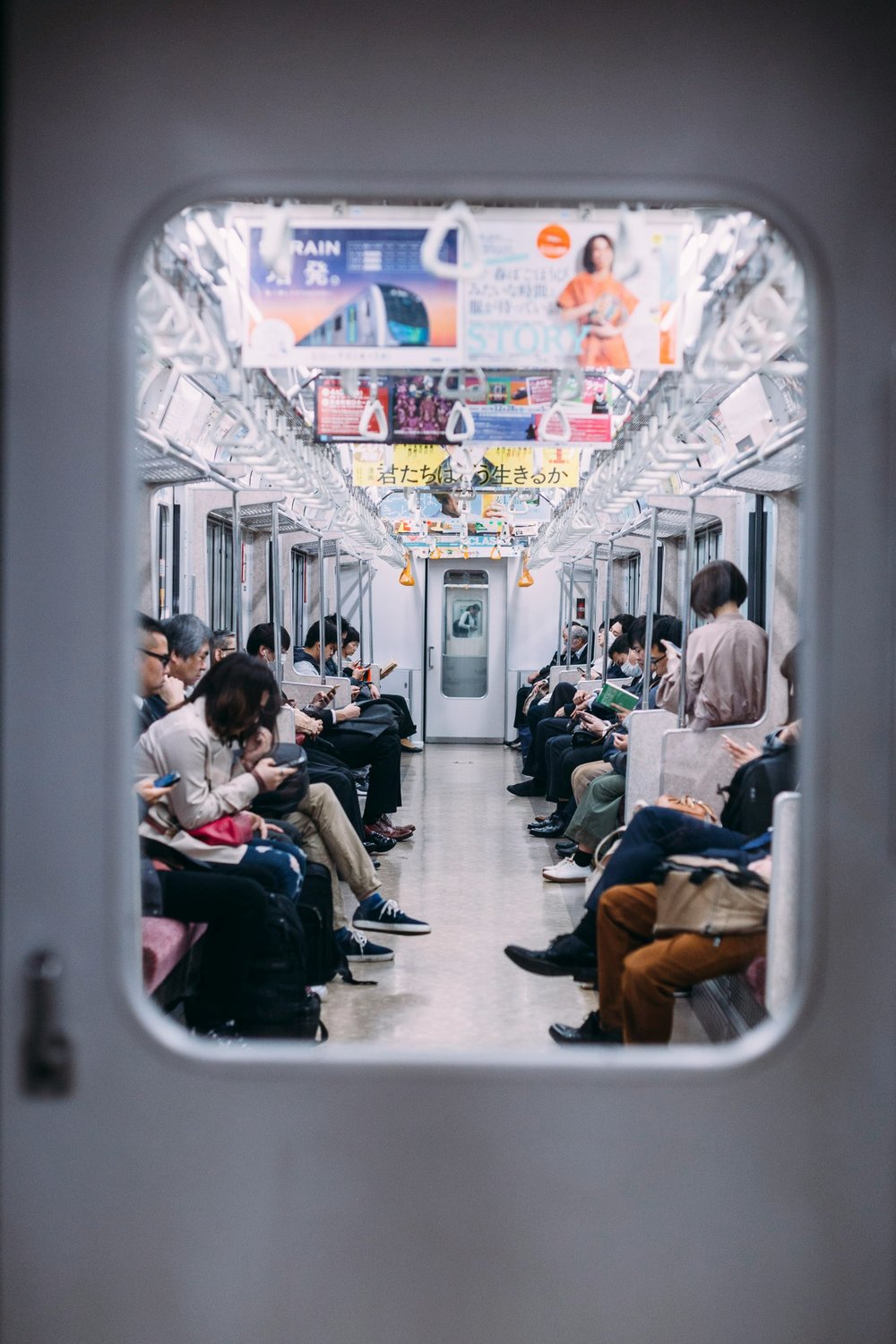
Klook Tip: Avoid the rush hours! Tokyo’s rush hours are between 7:30 to 9:30 AM and 5 to 8 PM, which can get veeery packed. Unless you want to experience taking the trip with hundreds of Japanese office workers coming home, we recommend avoiding these times. 👔
Which train lines run in Central Tokyo?
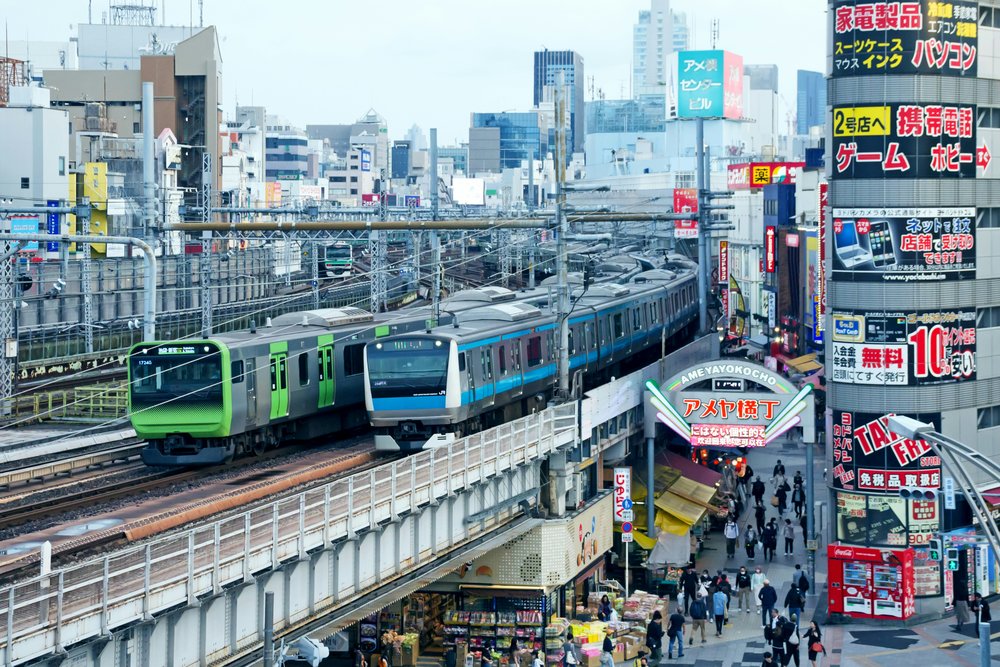
The best way to get around Tokyo is to hop on the JR trains, particularly the Yamanote Line. It’s commonly referred to as the JR Loop Line or Loop Line as it simply runs in a loop around central Tokyo and connects with most of the major hubs. 🔁
Some of the stations on its line that you have probably heard of include
Shinjuku,
Ginza,
Marunouchi, and
Shibuya. The Tokyo trains on this line arrive approximately every three minutes.
Klook Tip: If you get confused or lost at any point while navigating the public transport system, try to get yourself on the Yamanote line which should give you a chance to have a breather and get back on track. Its line color is yellow-green and its number is 6.
But if you wanna get to tour the city like a local, there are other train options too:
Runs parallel to the Yamanote Line and directly runs to
Yokohama.
Trains stop at
Ikebukuro,
Shinjuku, Shibuya, and Osaki. From Osaki Station, some Tokyo trains continue along the Rinkai Line to
Odaiba.
The Tokaido Shinkansen trains stop at Tokyo and Shinagawa, while bullet trains to the north stop at Tokyo and
Ueno.
What about railway companies outside Tokyo?
Besides JR and the two railways, there are other railway companies you can take to get to the surrounding prefectures around Tokyo. These lines typically start at a station under the JR Yamanote Line.
Tokyu Railway - serves southwestern Tokyo and
Kanagawa Seibu Railway - serves the Tokyo Tama Region and Saitama
Keio Railway - serves the Tokyo Tama Region
Odakyu Railway - serves Kanagawa and Hakone
Tsukuba Express - connects
Akihabara with Ibaraki
If you’re planning to explore beyond Tokyo, we recommend a
JR Whole Japan Rail Pass for unlimited access not only to JR trains, but to buses, ferries, and even monorails! Just tap your JR Pass at the automatic ticket gates and hop on a train anytime.
How do I get from Narita or Haneda Airport to Tokyo?
Getting from the airport to central Tokyo is straightforward, with several train options available depending on your budget and destination.
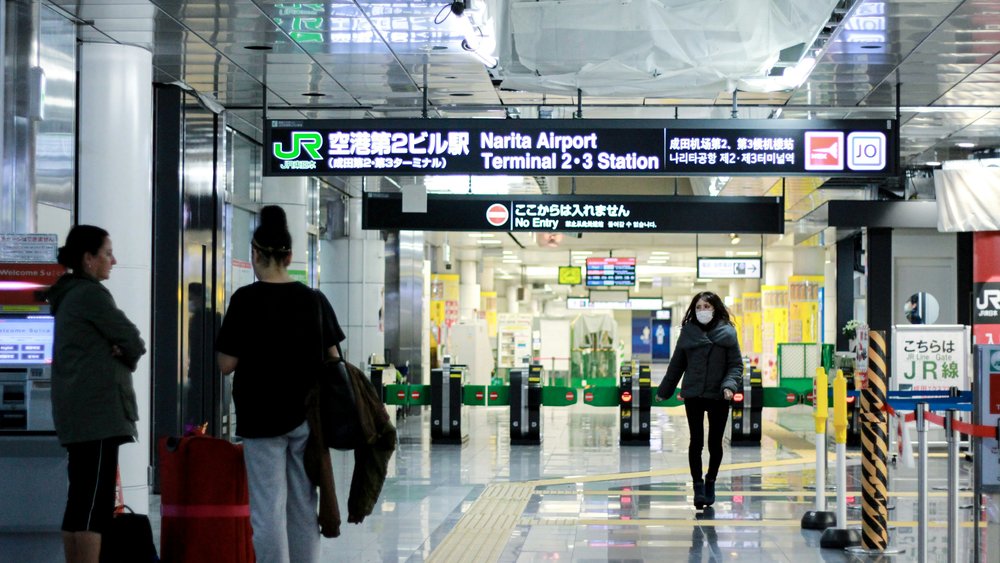
One of the most important train trips you will make while in Japan will be from Narita or Haneda airport to one of the major city train stations in Tokyo. After a long flight, it can be daunting to land in a non-English-speaking country and then have to try to hop on another form of transport. Sure, you could splurge on a private transfer, but for most travelers, the train is the easiest and most affordable option. 😁
From Narita Airport:
Skyliner (Keisei Railway)
Travel time: 36 minutes to Ueno/Nippori
Cost: 2,520 JPY (~17 USD)
Frequency: Every 20–40 minutes
Best for: Fast, direct access to central Tokyo
Narita Express (N'EX)
Travel time: 60 minutes to Tokyo Station
Cost: 3,070 JPY (~21 USD)
Frequency: Every 30–60 minutes
Best for: Direct access to Tokyo, Shibuya, Shinjuku, and Ikebukuro stations
From Haneda Airport
If you’re flying from
Haneda, take the
Tokyo Monorail into the city. You can
use a Suica IC Card for the monorail. Once you’ve picked up from the pickup location at the airport, simply tap at the gate and hop on!
Tokyo Monorail
Travel time: 13 minutes to Hamamatsucho
Cost: 500 JPY (~3.40 USD)
Frequency: Every 4–5 minutes
Best for: Quick connection to the Yamanote Line
Keikyu Line
Travel time: 11–20 minutes to Shinagawa
Cost: 300 JPY (~2 USD)
Frequency: Every 10 minutes
Best for: Budget-friendly option with connections to central Tokyo
Limousine Bus
Travel time: 30–90 minutes (varies by destination)
Cost: 1,000–1,900 JPY (~7–13 USD)
Frequency: Every 10–30 minutes
Best for: Direct service to major hotels and stations
Which passes and tickets should I get to ride Tokyo trains?
Choose Tokyo Subway Pass for intensive sightseeing within central Tokyo, Suica for flexibility across all transport types, or JR Pass for day trips outside the city.
The Suica IC Card is the most versatile option for tourists because it works on all train lines, buses, and even convenience stores. The easiest way to get around Tokyo is to buy a prepaid ticket. It will save you money and time as you won't need to purchase individual tickets every time you want to jump on a train. There are three main options: Tokyo Subway Pass, Suica IC Card, or JR Pass.
Ticket Comparison Table
Pass/Card | Price | Validity | Coverage | Best For |
Tokyo Subway Pass | 1,500 JPY (~10.05 USD) | 72 hours | Tokyo Metro & Toei Subway (13 lines, 250+ stations) | Tourists exploring central Tokyo intensively |
Suica IC Card | 1,500 JPY preloaded (includes 500 JPY deposit) (~10.13 USD) | Rechargeable, no expiry | All trains, buses, convenience stores, vending machines | Flexible travelers wanting one card for everything |
JR Tokyo Wide Pass | 15,000 JPY (~101 USD) | 3 consecutive days | JR East trains including Shinkansen, limited express | Day trips to Mt. Fuji, Nikko, Karuizawa |
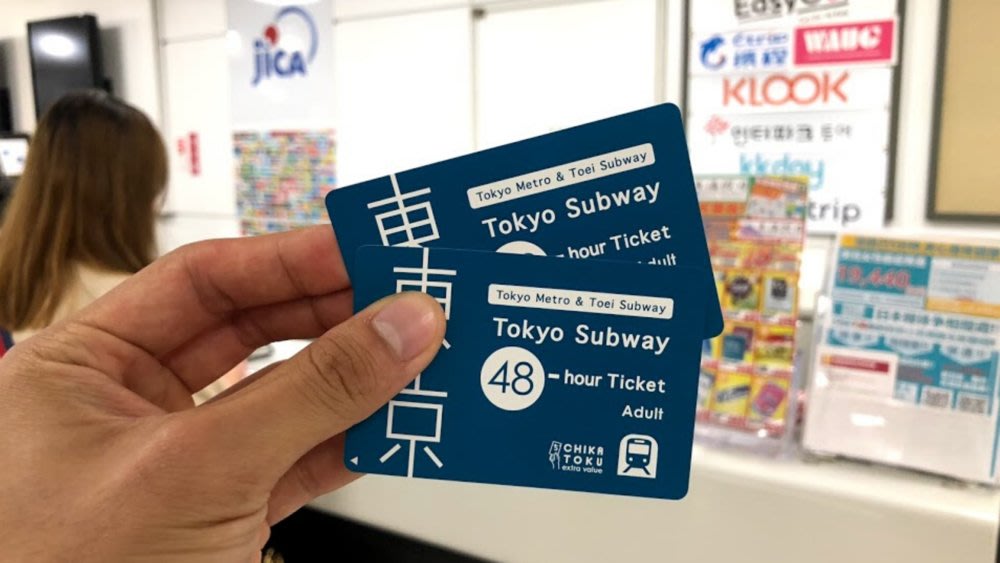
1. Tokyo Subway Pass
The
Tokyo Subway Pass is unlimited travel on the Tokyo Metro and Toei Subway over a set period of time (usually 72 hours). It’s an unlimited subway pass for travel on all
Tokyo Metro and
Toei Subway Lines. With access to 13 different routes and over 250 metro stops that cover most of the city’s metropolitan area, it’s the perfect ticket for those with a full day of exploring to do in Tokyo or who plan to be on the move quite a lot. It costs around 1,500 JPY (~10.05 USD) for three days.
2. Suica IC Card
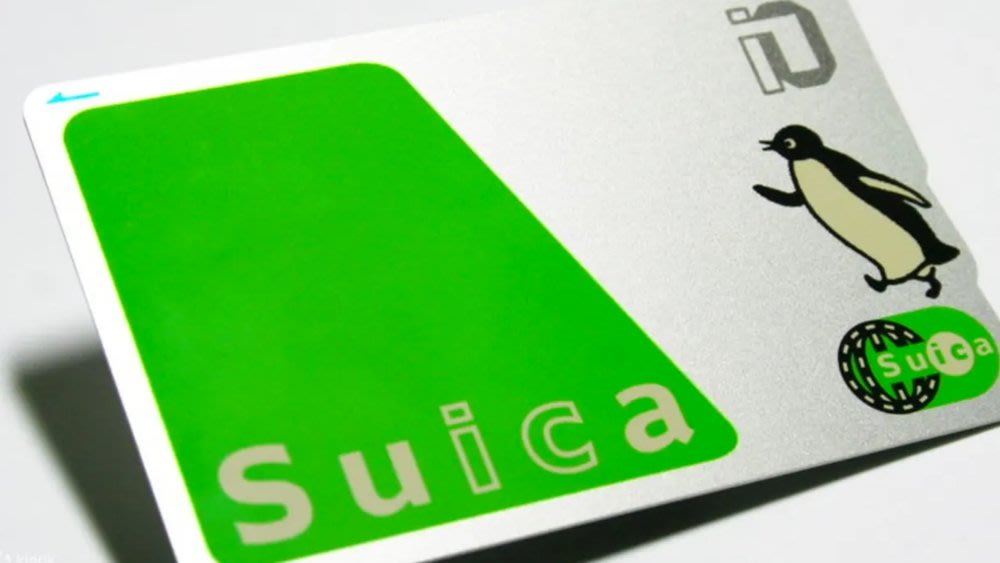
The Suica IC Card is a nifty transportation card. You can use it on the Tokyo Metro, Toei Subway, and Japan Rail East, as well as some buses. It can even be used for purchases inside trains, vending machines, some convenience stores, and even selected restaurants!
The Suica IC Card is pre-loaded with 1,500 JPY (~10.13 USD), and you can top up the card with more money at any Suica IC Card redemption station.
How to Use a Suica Card
1. Purchase: Buy a Suica card from ticket machines at JR stations, or pre-order online through Klook for airport pickup.
2. Tap in: Hold your Suica card against the IC card reader at the ticket gate when entering the station—wait for the beep and green light.
3. Tap out: Tap your card again at the ticket gate when exiting—the fare is automatically deducted from your balance.
4. Recharge: Add money at any ticket machine displaying the IC card logo by inserting cash and selecting the top-up amount (1,000–10,000 JPY).
5. Check balance: Your remaining balance displays on the ticket gate screen each time you tap, or check at any ticket machine.
3. JR Pass
As mentioned earlier, you can also
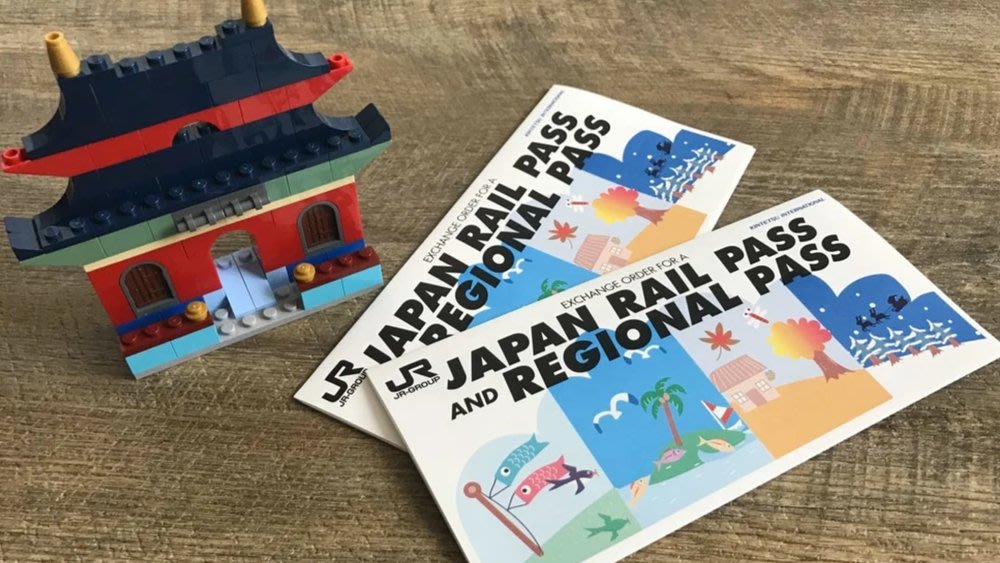
avail of a JR Tokyo Wide Pass to enjoy unlimited rides for three days. This covers the Shinkansen, limited express trains, and local trains within the designated area! It may seem like an expensive option when you initially outlay the cost, but considering how far you can travel on it, it is actually very cost-effective and an excellent way to get around Japan.
How much does the Tokyo subway cost?
A single Tokyo subway ride costs between 170–320 JPY (~1.15–2.15 USD) depending on distance traveled. For tourists planning multiple trips per day, the Tokyo Subway Pass at 1,500 JPY (~10.05 USD) for 72 hours offers significant savings compared to buying individual tickets.
What time do Tokyo trains stop running?
Tokyo trains stop running around midnight and resume service at approximately 5:00 AM daily. If you're planning a late night out, make sure to check the last train time for your specific line, as some lines may end service slightly earlier. Missing the last train means waiting until morning or taking a taxi.
3 Handy tips on proper Japanese train etiquette
1. Don’t be afraid to eat and drink on the train
While it is considered rude to eat and drink while walking, it’s completely acceptable to do so while seated on the train. You can buy food and drink at the train station from shops or vending machines, but it’s best to wait until you have boarded the train to begin eating or drinking. Keep in mind that the Japanese public transport system has a reputation for being extremely clean, so make sure to take out the trash with you! 🍣
2. Golden rule: don’t be noisy
Japanese culture is grounded in respect, and this especially applies to public spaces, such as trains. Generally, it’s quiet inside trains in Japan, so loud noises are very conspicuous. Now, no rules directly say that you can’t talk inside the train, but if your conversation is loud enough to be heard by those around, try to keep it on the low.
3. Remember to stand on the left-hand side
It’s customary to stand to the left-hand side and allow people to walk freely on the right-hand side. Lots of people in Japan are rushing to catch their train, so always keep this in mind! 🏃🏻♂️
FAQs
Which train line is best for tourists in Tokyo?
The Yamanote Line is the best train line for tourists in Tokyo because it connects major stations like Shibuya, Shinjuku, and Tokyo Station in a convenient loop. Also called the JR Loop Line, it runs in a loop around central Tokyo, so if you get lost, just get yourself back on the JR Loop Line and you'll eventually find your way back. It's the yellow-green number 6 line!
What are trains called in Tokyo?
Tokyo trains are called by their operating company name (JR, Tokyo Metro, or Toei) or their specific line name (such as Yamanote Line or Ginza Line). Here are the key terms to know:
JR (Japan Rail): The largest rail network, operated by JR East in Tokyo, including local lines and the Yamanote Loop Line
Tokyo Metro: A subway system with 9 lines covering central Tokyo
Toei Subway: A separate subway system with 4 lines, also covering central Tokyo
Shinkansen: High-speed bullet trains connecting Tokyo to other major cities like Osaka and Kyoto
IC Card (Suica/Pasmo): Rechargeable smart cards used to tap in and out at train gates
How much is a 3-day subway pass in Tokyo?
The Tokyo Subway Pass costs 1,500 JPY (~10.05 USD) for 72 hours of unlimited travel. It allows you to travel with no limit on the Tokyo Metro and Toei Subway for 3 days!
How do I pay for the train in Tokyo?
The easiest way to pay for Tokyo trains is with a rechargeable Suica or Pasmo IC card, which you tap at station gates. You can also pay by purchasing tickets directly at any station. However, this can be time-consuming and inconvenient, especially since there's a chance of misplacing your tickets. Instead, we recommend getting an unlimited pass, such as the JR Tokyo Wide Pass or the Tokyo Subway Pass, which are valid for up to three days.
When is the best time to catch trains in Tokyo?
The best time to catch trains in Tokyo is mid-morning (after 9:30 AM) or early afternoon to avoid rush hour crowds. Most trains in Tokyo run from 5 AM to midnight, so if you are planning on being somewhere very early in the morning or heading back to your accommodation after a big night out, make sure you arrange alternate transportation, as you might find yourself stranded at the station. Take note that rush hour occurs between 7:30 and 9:30 AM and 5:00 and 8:00 PM!
Any apps I should download for train travel?
The best app for Tokyo train travel is Tokyo Subway Navigation for Tourists, which works offline and is free for both
Apple and
Android users. It’s a mouthful, but it’s really handy!
The app can be used without an internet connection, and it lists which train stations offer free Wi-Fi (there are 140 of them). Some of its features include train line maps, tips on the best station exits you should take to reach certain important landmarks and tourist attractions, and, of course, directions to get you to your specified destination by train.
Are there any English signs in train stations?
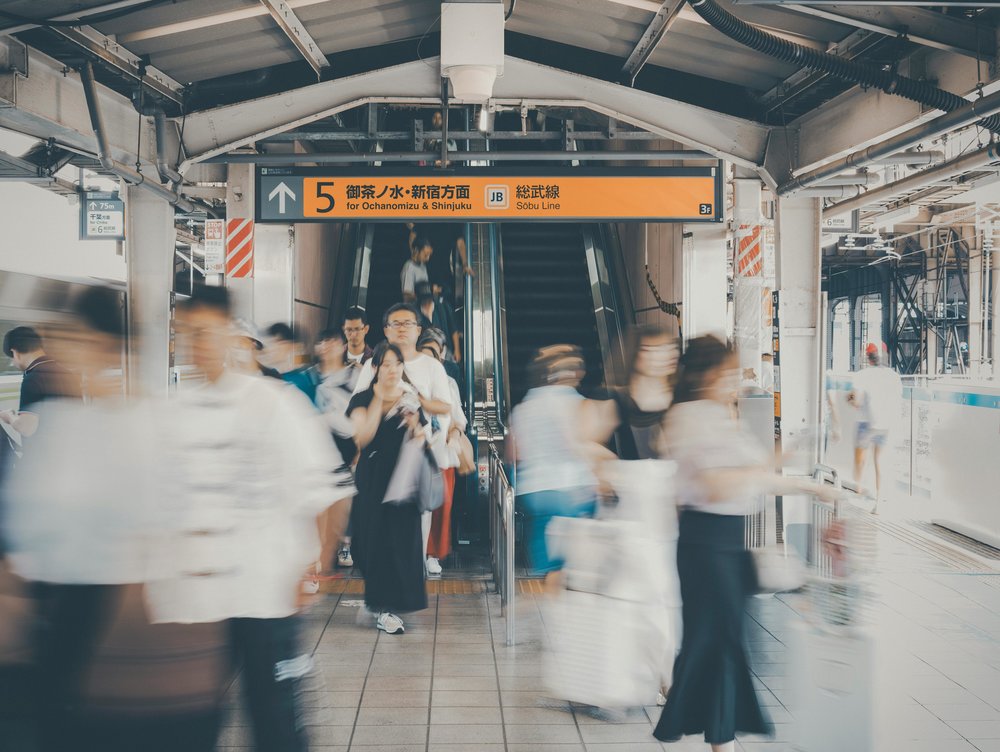
Yes, all major Tokyo train stations have signs and announcements in both Japanese and English. Though it wouldn't hurt to learn the numbers and colours of the train line you need to take, as it can make getting around so much easier.
That’s not to say that you need to memorise them all, but on a morning before setting out, take a look at which lines you’ll need that day. Knowing in advance which colour line you should be heading for, rather than trying to remember the name, will certainly make life easier.
Key Takeaways
Three main operators: JR East, Tokyo Metro (9 lines), and Toei Subway (4 lines) together cover 280+ stations across Tokyo.
Best line for tourists: The Yamanote Line (yellow-green, line #6) loops around central Tokyo and connects all major hubs—if you get lost, find this line.
Get a Suica card: It works on all trains, buses, and convenience stores—tap in, tap out, and recharge at any station.
Tokyo Subway Pass saves money: At 1,500 JPY (~10.05 USD) for 72 hours, it's ideal for intensive sightseeing across 13 subway lines.
Trains run 5 AM to midnight: Plan your late nights accordingly or you'll need a taxi.
Avoid rush hours: 7:30–9:30 AM and 5:00–8:00 PM are extremely crowded.
Download the app: Tokyo Subway Navigation for Tourists works offline and shows routes, exits, and free Wi-Fi stations.
Get exploring!
Now that you’re ready to conquer Tokyo through its complex train system, you can plan your trip accordingly!
Remember:
Japan Rail (JR) → use
JR Pass or Suica IC Card
What is Klook?
Klook is a leading pan-regional experiences platform in Asia Pacific, purpose built to digitalize experiences and make them accessible to every traveler.
Our mission is to build the digital infrastructure for the global experience economy — empowering merchants to share their passions and travelers to discover the heartbeat of each destination. We operate a mobile-first, curated platform featuring diverse experiences across global destinations.