

Peak Season in Paris (June–August)
☀️ Weather in Paris during peak season
Pros of visiting Paris during peak season

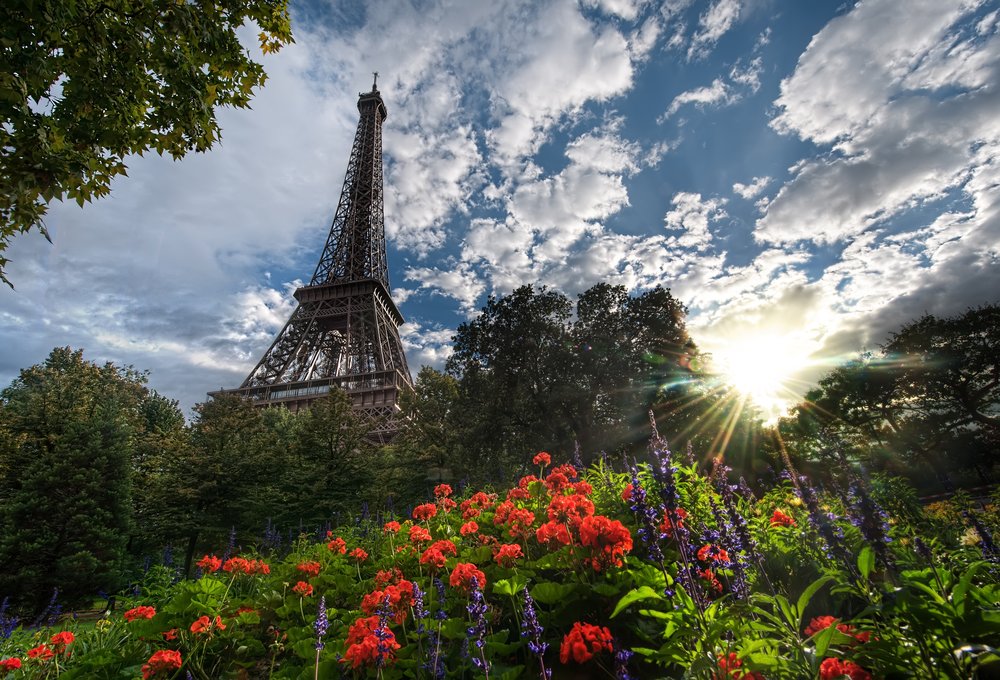
- Lots of festivals and concerts: Summer music events like Fête de la Musique (June 21) pop up across the city. You can also enjoy the Paris Jazz Festival on weekends in June and July at Parc Floral.
- Lively parks and markets: Relax in Luxembourg Gardens, picnic, people-watch, or explore open-air markets with fresh food, flowers, and local goods.
- Longer days: With more daylight, you have time to explore, rest, and still enjoy evening activities like rooftop dining or night walks.
Cons of visiting Paris during peak season
- Crowds: Popular attractions like the Eiffel Tower can get very busy in summer. Lines can easily be 1 to 2 hours long, and sometimes even longer during the afternoons.
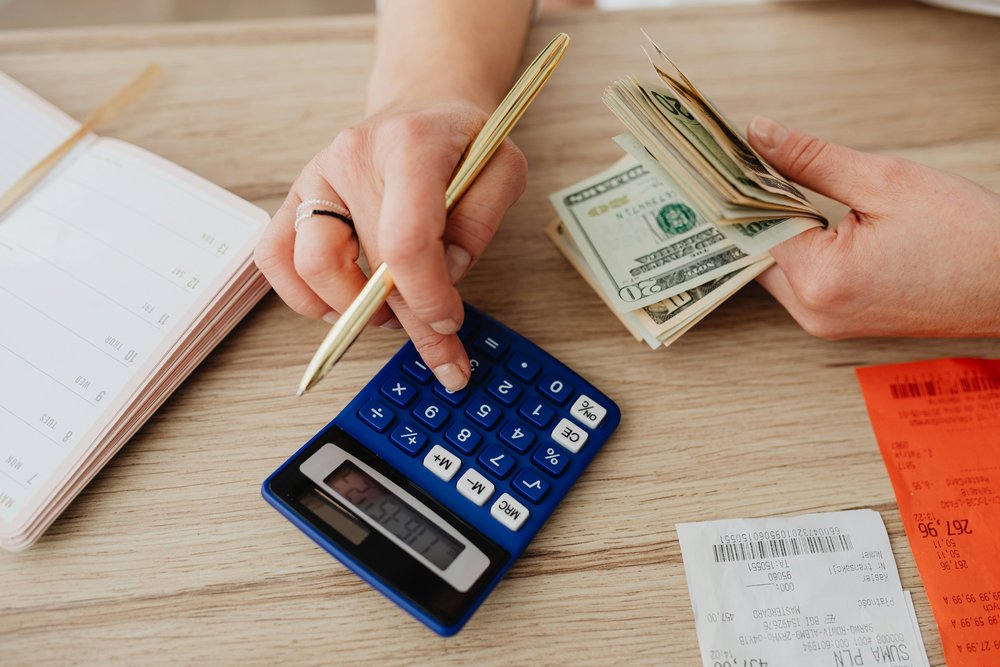
- Higher costs: Hotels and flights can be 20–50% more expensive than in the off-season. Even cafés and restaurants near tourist spots can charge more.
- Summer heat: Temperatures often reach 25°C (77°F) or higher. Walking, long sightseeing days, and outdoor events can be tiring.
Off-Season in Paris (November–March)
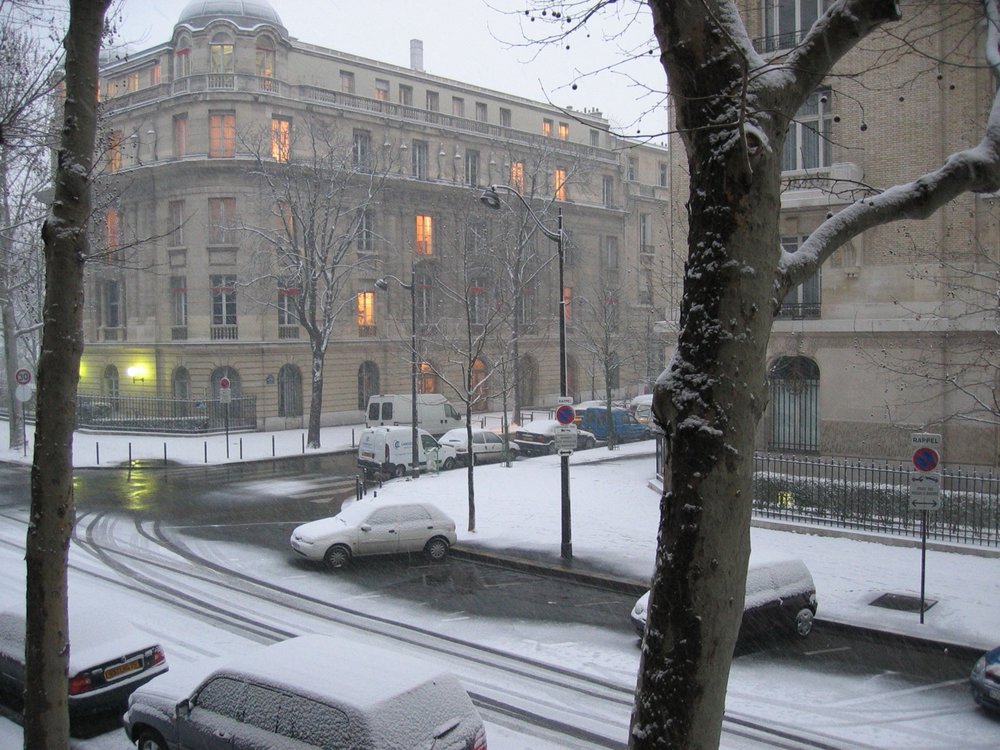
❄️ Weather in Paris during the off-season
Pros of visiting Paris during the off-season
- Fewer crowds: You can explore top attractions like the Louvre without long lines. This means you can take your time, soak in the art and architecture, and even join guided tours without feeling rushed.
- Lower costs: Flights and hotels can be 30–50% cheaper than during peak season. You might even be able to stay in a nicer hotel, upgrade your room, or extend your trip while staying on budget.
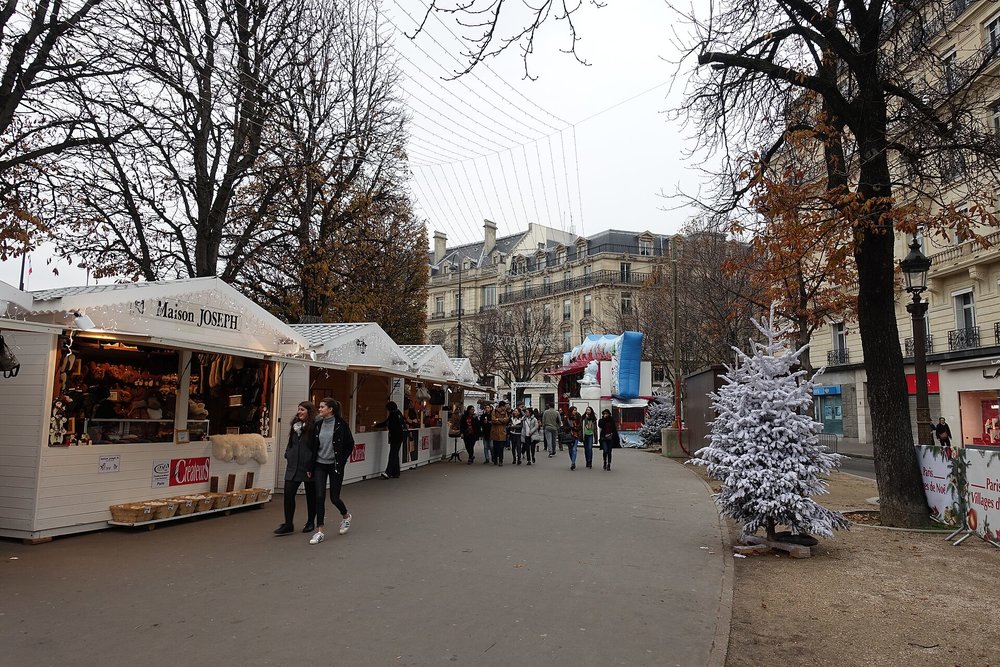
- Seasonal experiences: Off-season brings Christmas markets at Champs-Élysées, ice skating rinks at Hôtel de Ville, and winter exhibitions at museums.
Cons of visiting Paris during the off-season
- Shorter days: In December and January, daylight lasts only 8–9 hours. You’ll need to plan outdoor sightseeing carefully and consider indoor activities in the evening.
- Limited outdoor activities: Some attractions reduce hours in winter, and open-air cafés, rooftop terraces, or garden activities may be less accessible.
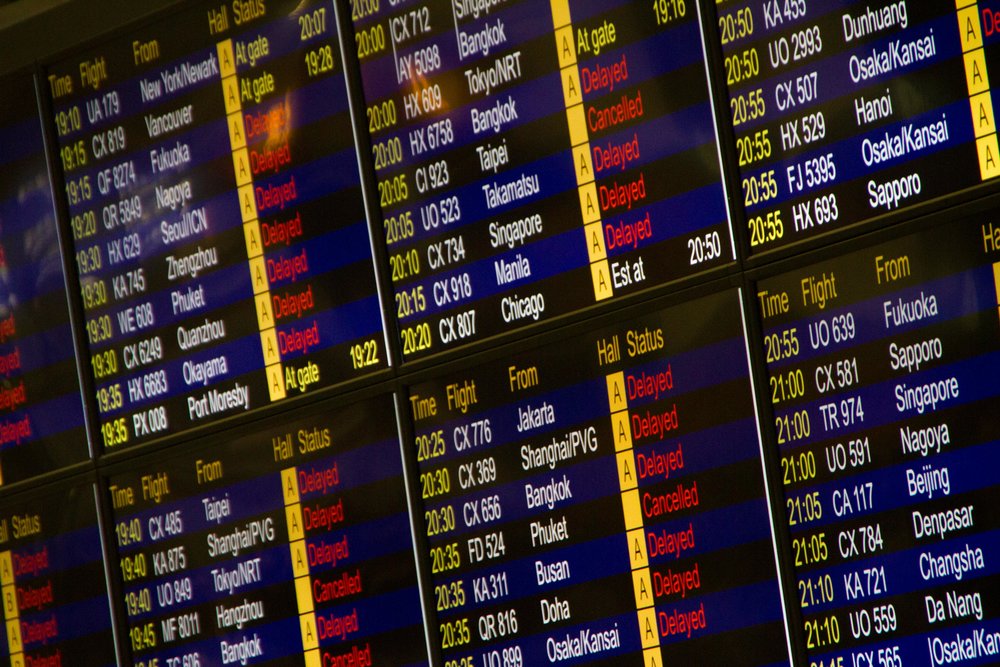
- Possible travel disruptions: Winter storms or cold snaps can occasionally delay flights or trains. Booking flexible tickets is a smart idea.
Comparing Peak vs Off-Season
Factor | Peak Season (June–August) | Off-Season (Nov–Mar) |
Weather | Warm and sunny (20–25°C / 68–77°F). Long daylight up to 16 hours. Great for walking and outdoor activities. | Cooler (2–10°C / 36–50°F). Chance of rain or light snow. Shorter days (8–9 hours). Dress in layers. |
Crowds | Very busy. Long lines at popular attractions like the Eiffel Tower and Louvre. | Fewer tourists. Easier to explore landmarks, museums, and galleries. |
Cost | Higher. Hotels, flights, tours, and restaurants cost more. | Lower. Flights, hotels, and tours are cheaper. Budget-friendly. |
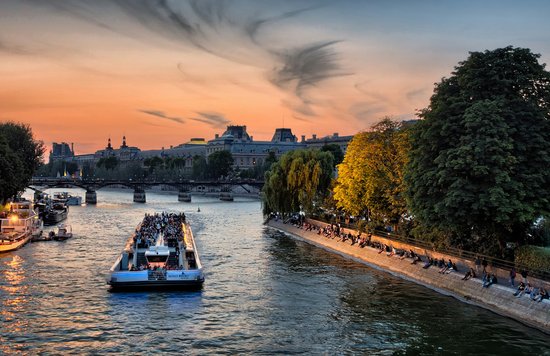
Activities | Outdoor-focused: Seine river cruises, summer music festivals, parks, and open-air markets. | Indoor and seasonal: Christmas markets, ice skating, winter exhibitions, cafés, and cooking classes. |
Vibe | Lively and energetic. Streets, parks, and riverbanks are bustling. | Calm and cozy. Streets feel quieter, more local, and intimate. |