

London is one of the world's most visited cities, and yet most people only scratch the surface of what makes it so fascinating. Beyond the red buses, royal palaces, and iconic skyline, this city is full of stories that most tourists never hear. If you're planning your first visit or your fifth, knowing the facts about London adds a whole new layer to the experience.
Here are nine facts about London that are worth knowing before you go!
1. London is over 2,000 years old
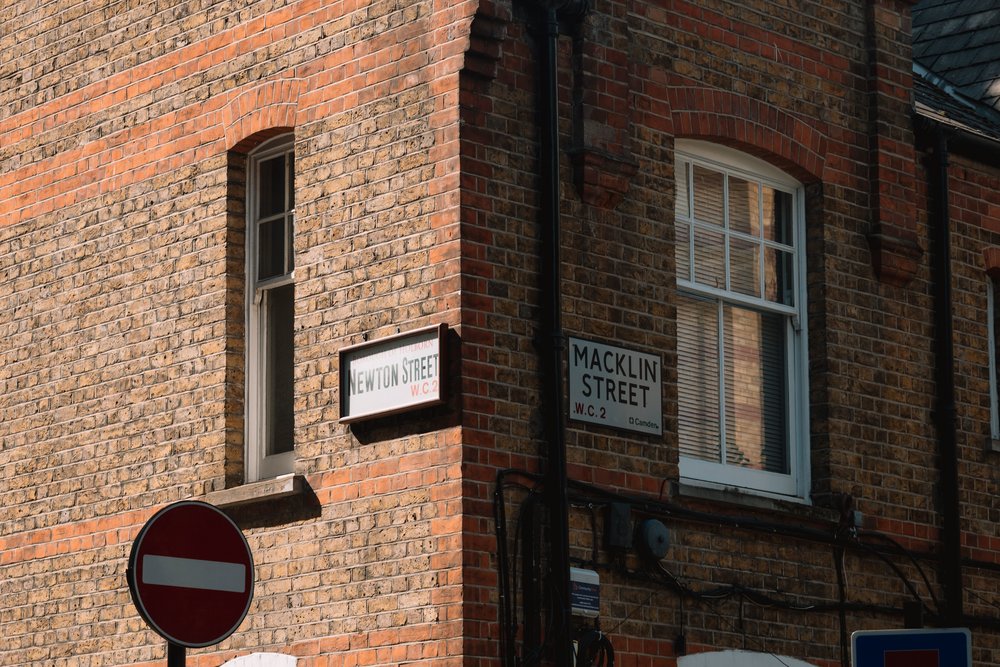
Old streets of London | Photo Credits: Joaquin Carfagna on Pexels
If you've ever wondered how old London is, the short answer is "very." The city was founded by the Romans around 43 AD and originally called Londinium. That makes London over 2,000 years old, and there's still Roman-era infrastructure buried beneath the modern streets.
The area known as the City of London (the historic square mile at its center) still roughly follows the boundaries of that original Roman settlement. So when you're wandering around the financial district today, you're walking the same ground as Roman traders and soldiers did two millennia ago. That's one of the London history facts that tends to catch people off guard.
2. Big Ben isn't actually called Big Ben
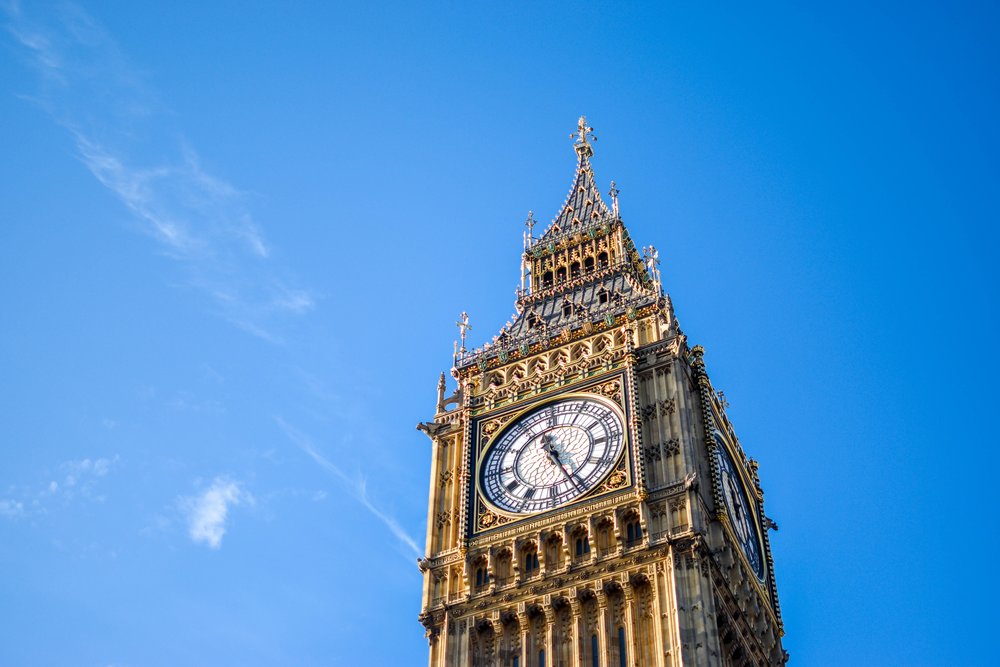
Close up look of the Big Ben | Photo Credits: Pixabay
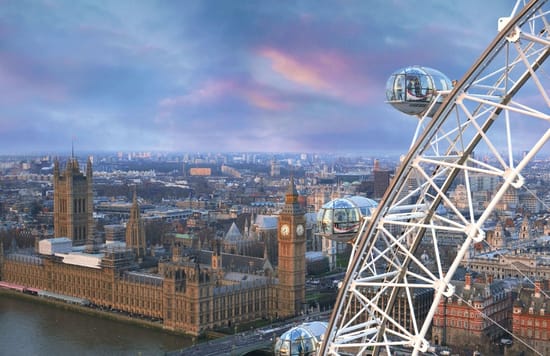
Here's one of the weirdest facts about London: the famous clock tower at the Houses of Parliament isn't called Big Ben. The tower itself is officially named the Elizabeth Tower (it was renamed in 2012 to mark Queen Elizabeth II's Diamond Jubilee). "Big Ben" technically refers only to the 13-tonne bell inside the tower, not the tower or the clock.
Regardless of what you call it, the Elizabeth Tower is one of the most photographed spots in the city. You can get a closer look on the Westminster Abbey, Big Ben and Houses of Parliament tour, where you’ll also get to hear stories that bring Britain’s rich history to life
Klook Tip: For the best view of Big Ben, head to Westminster Bridge just before the clock strikes the hour, the chime is part of the experience!
3. The Tower of London has been a palace, prison, and zoo
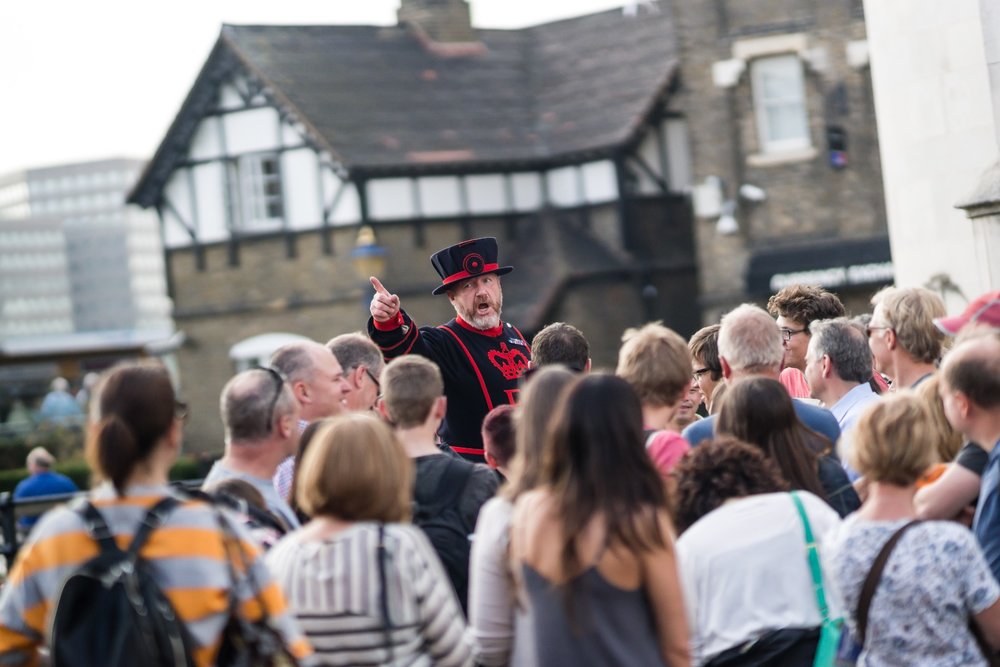
Tower of London tour with a Beefeater
The Tower of London is one of the most fact-rich landmarks in the entire city. Built by William the Conqueror in 1066, it has served as a royal palace, treasury, mint, armory, public records office, and yes, a zoo! From the 13th to the 19th century, the Tower housed a royal menagerie that included lions, polar bears, and even an elephant.
Today it's home to the Crown Jewels and the famous Beefeater guards, but it's the darker chapters that most visitors find compelling. Anne Boleyn, Lady Jane Grey, and countless others were imprisoned and executed here.
A Tower of London walking tour is probably the best way to hear those stories properly, directly from someone who lives and works inside the walls!
4. London's population is almost bigger than Scotland's and Wales's combined
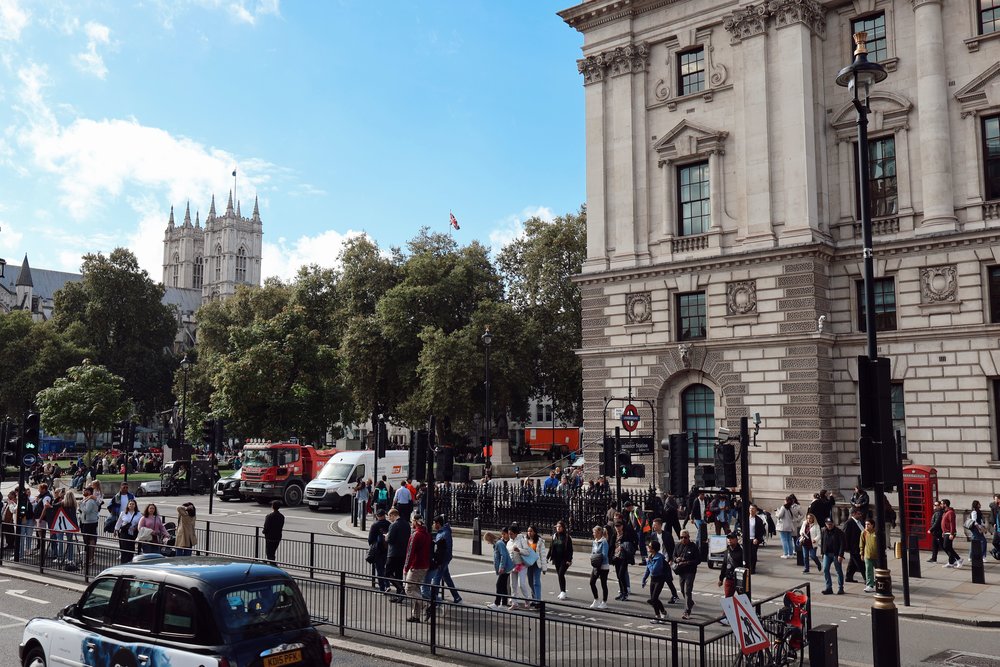
Busy streets of London | Photo Credits: Sarah O'Shea on Pexels
The London population sits at around 9 million people, making it by far the largest city in the United Kingdom, and one of the largest in Europe. For context, the populations of Scotland and Wales combined come to roughly 8.5 million. London is essentially a country within a country.
What's even more interesting is the diversity of that population. Over 300 languages are spoken across the city, and more than a third of residents were born outside the UK. It's one of those facts about London that helps explain why the food, culture, and neighborhoods feel so different from one area to the next!
5. The Prime Meridian runs through Southeast London
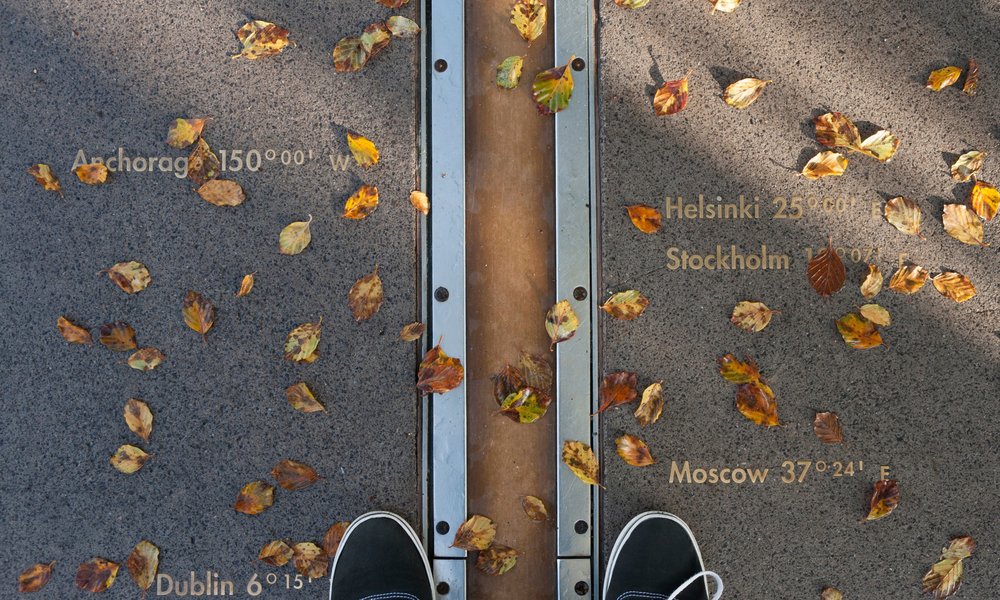
Prime Meridian at the Royal Observatory Greenwich
Most people know that the Prime Meridian, the line that defines 0° longitude and splits the world into East and West, passes through Greenwich. Fewer people realise that it runs right through a park in Southeast London. At the Royal Observatory Greenwich, you can stand with one foot in the Eastern Hemisphere and one in the Western!
Greenwich is also the origin of Greenwich Mean Time (GMT), the global standard for time zones. The observatory was built in 1675 on the orders of King Charles II, specifically to solve the problem of navigating at sea. It's a fascinating place with a history museum, a working astronomy center, and a planetarium too.
6. The London Underground is the oldest metro system in the world
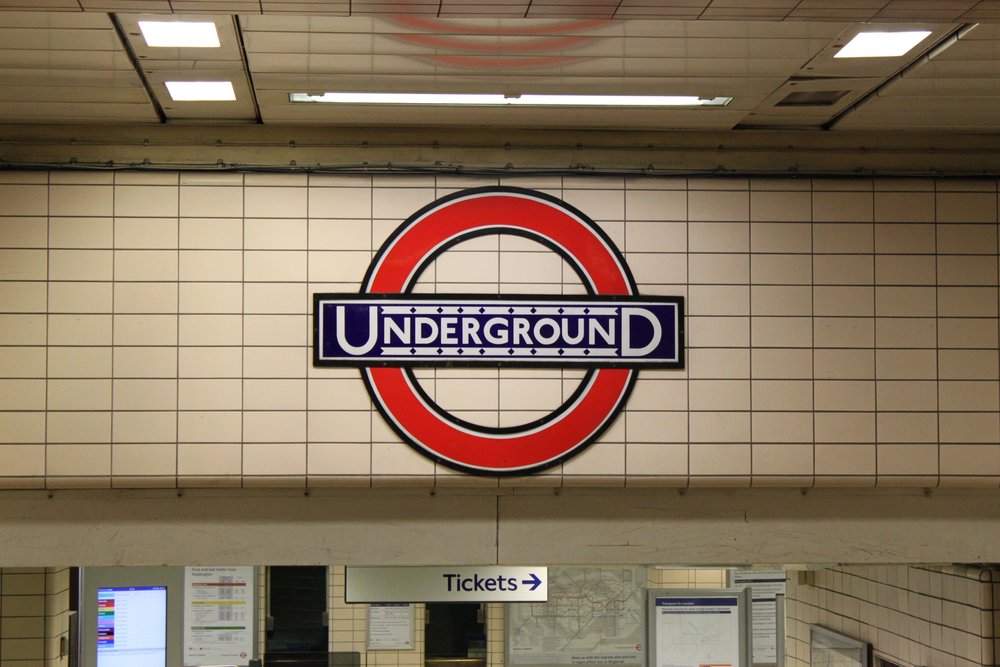
London underground | Photo Credits: GeVe #Photo on Pexels
One of the most interesting London Underground facts is that the Tube opened in 1863, making it the world's first underground railway.
Today the network covers 402 kilometers of track across 11 lines. Only about 45% of the Underground actually runs underground; the rest runs on the surface or elevated tracks, which surprises most first-time visitors. The deepest station is Hampstead, sitting around 58 meters below street level.
If you want to know more about the oldest metro system, go on the London Secrets of the Underground walking tour to hear fascinating stories from a local expert!
7. London has over 170 museums, and most are free
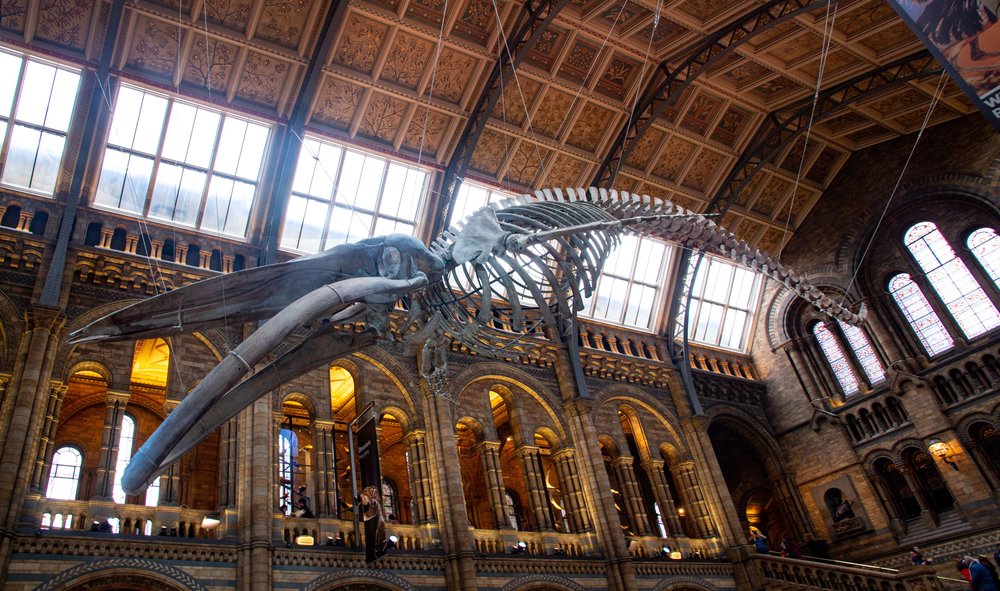
Natural History Museum, London | Photo Credits: Gever on Pexels
This is one of the interesting facts about London: some of the world's best museums are completely free to enter. The British Museum, Natural History Museum, Science Museum, National Gallery, Tate Modern, Victoria & Albert Museum are all free, all year round.
That's an extraordinary amount of access for no cost at all. It's a policy that dates back decades and reflects a commitment to public culture that's rare globally. For visitors, it means you can spend an entire week exploring world-class collections without paying a single entry fee.
Check out our free museums in London guide to know all the best spots and tips for visiting!
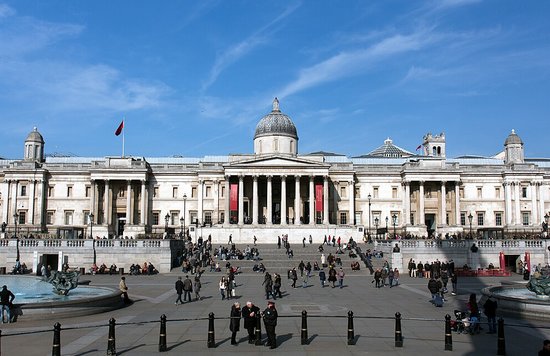
8. A London street has the most blue plaques in the world
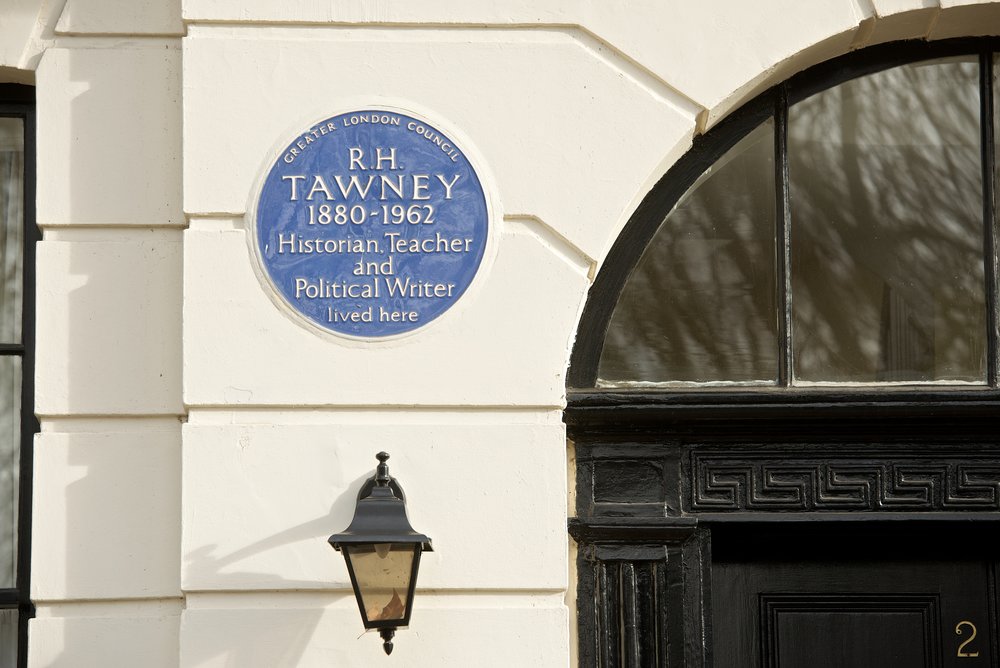
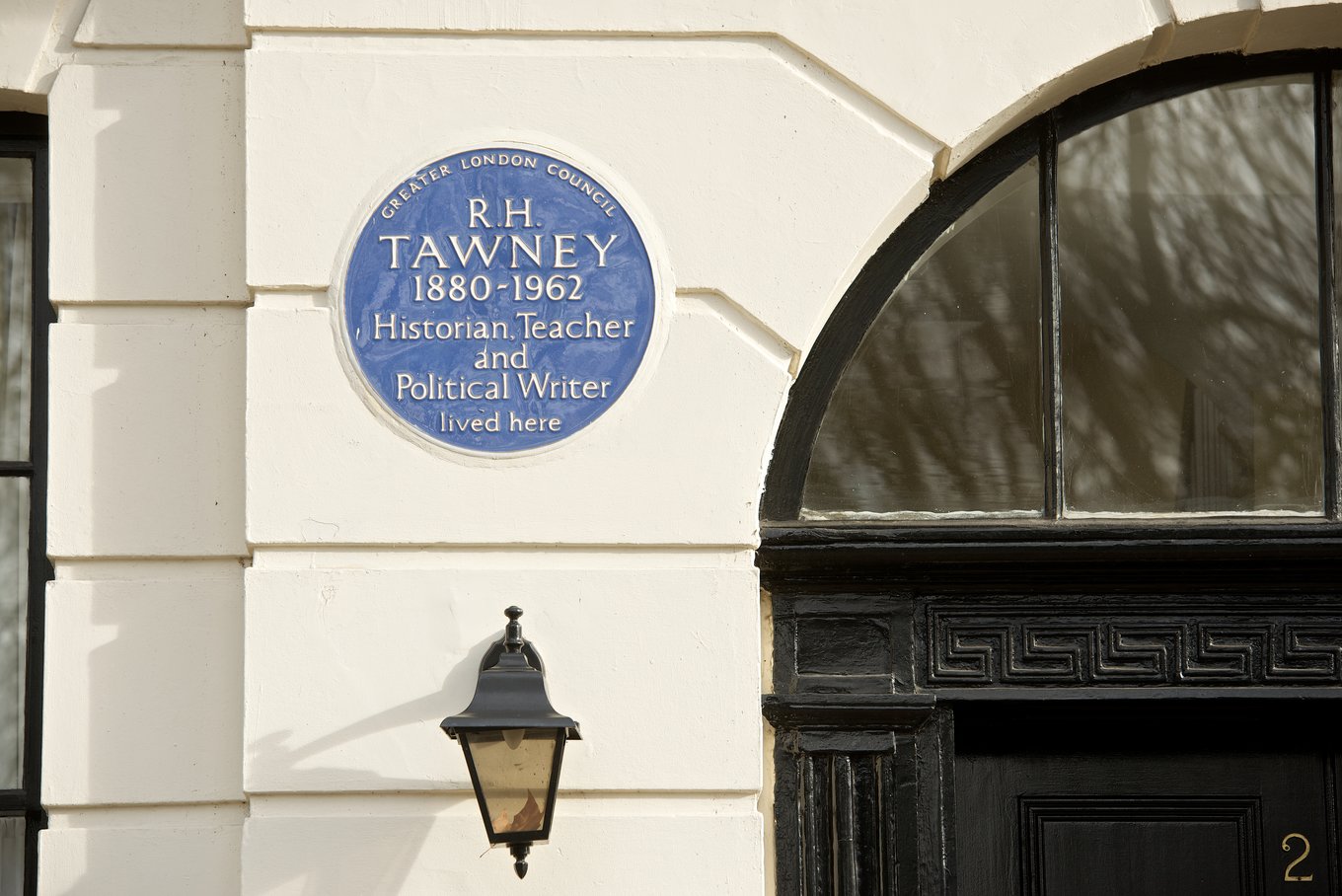
Blue Plaque for R. H. Tawney in London | Photo Credits: Nick Harison on Flickr
Blue plaques are the small circular discs you'll notice on buildings across London, marking places where famous people lived or worked. There are over 950 of them across the city, a scheme that's been running since 1866. That makes London's collection the largest of its kind anywhere in the world!
On one short stretch of streets you can find plaques for everyone from Charles Darwin to Jimi Hendrix. It's a great way to read the city as you walk; London landmarks' facts don't get more street-level than this.
Klook Tip: The Discover London's Iconic Landmarks tour is a great on-foot look into the city's most storied streets and the stories behind them.
9. London has more parks than almost any capital city in Europe
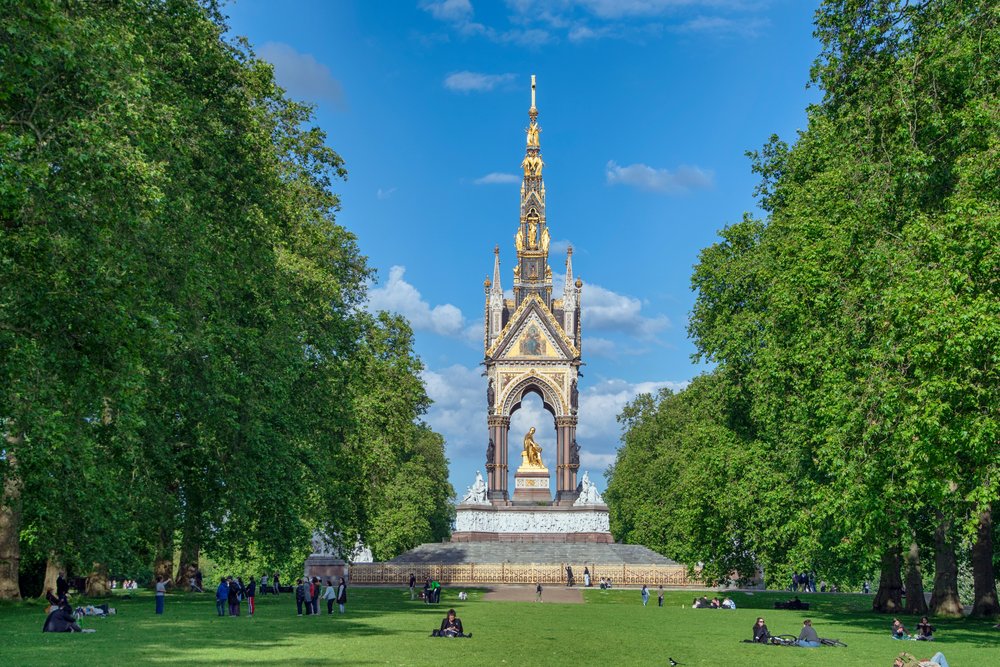
Albert Memorial in Hyde Park | Photo Credits: Enrique on Pexels
Around 33% of London is a park. The eight Royal Parks alone cover over 2,000 hectares, and they're open to the public for free. Hyde Park, Regent's Park, Greenwich Park, and St James's Park are the most famous, but there are hundreds of smaller green spaces scattered across every borough.
This is one of those facts about London that surprises people who expect a purely urban experience. A London hop-on hop-off bus tour is a good way to cover both the green spaces and the landmarks in a single day.
FAQs about facts about London
What are the most interesting facts about London?
- The city is over 2,000 years old; the Tower of London once housed a zoo with exotic animals
- More than 300 languages are spoken across the city today.
- Big Ben is technically just the name of the bell inside the Elizabeth Tower, not the tower itself.
How old is the city of London?
London was founded by the Romans around 43 AD, making it over 2,000 years old. The original settlement was called Londinium and was established as a trading port on the Thames. The historic City of London, the square mile at the center of the modern metropolis, still follows roughly the same boundaries as that Roman town.
So if you want to answer "how old is London" with a single number, 2,000 years is a reasonable starting point, though the wider urban area grew significantly over the following centuries.
What is London's population?
The London population is approximately 9 million people within the Greater London boundary, though the wider metropolitan area is home to over 14 million. It's the most populous city in the United Kingdom by a significant margin, nearly twice the size of the second-largest, Birmingham.
What are some weird facts about London?
London has all kinds of strange facts:
- The city has a still-operational Victorian sewer system designed by Joseph Bazalgette that stretches over 1,600 kilometers.
- There's a pet cemetery in Hyde Park that dates back to the 1880s. A small stretch of Carnaby Street was technically declared a republic in 1969 (briefly).
- The Great Fire of London in 1666, which destroyed over 13,000 houses, is officially recorded as having killed only six people
What are some facts about the London Underground?
The London Underground opened in 1863, making it the world's oldest metro system. It covers 402 kilometers of track, serves 272 stations, and carries around 3 million passengers on a typical weekday. Only about 45% of the network actually runs underground, the rest is at surface level or elevated.
More London travel guides for you

What is Klook?
Klook is a leading pan-regional experiences platform in Asia Pacific, purpose built to digitalize experiences and make them accessible to every traveler.
Our mission is to build the digital infrastructure for the global experience economy — empowering merchants to share their passions and travelers to discover the heartbeat of each destination. We operate a mobile-first, curated platform featuring diverse experiences across global destinations.