
Walk down memory lane while you’re in Seoul!
Before the global rise of K-pop, K-drama, and all things K-culture, South Korea has always been rich in history and tradition. Despite being one of the top powerhouses in technology, its heritage remains carefully preserved. If you’re visiting Seoul, you’ll witness just how the traditional and modern infrastructures co-exist.
From the Joseon dynasty to the Korean War, many historical sites in Seoul have stood the test of time and continue to tell stories of Korea’s past.
If you’re planning your next Korea itinerary and interested in learning about their history, here are ten must-visit historical sites in Seoul to add to your itinerary.
1. Gyeongbokgung Palace
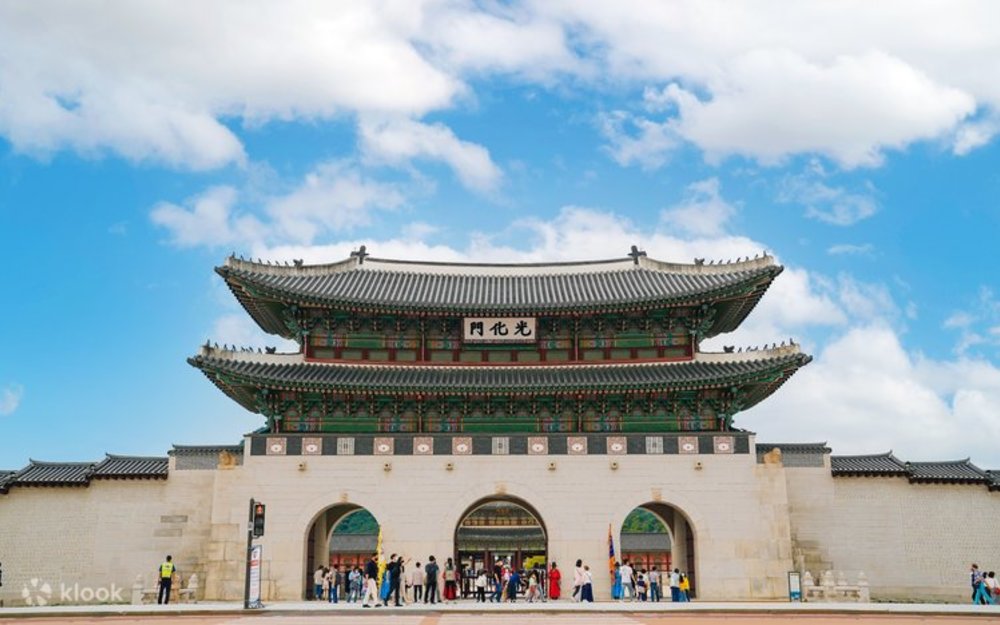
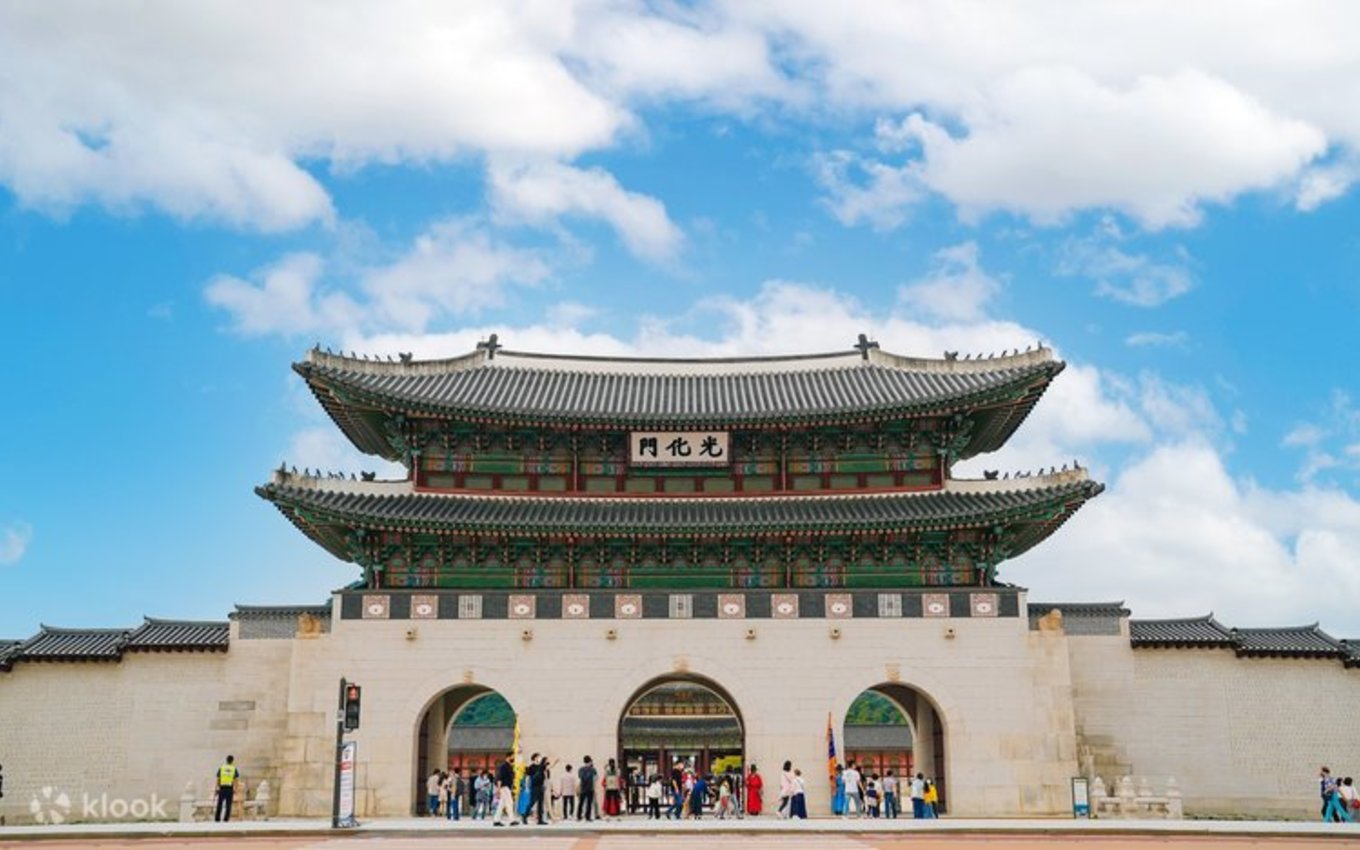
Gwanghwamun Gate, Gyeongbokgung Palace’s main entrance
Starting strong on our list of must-visit historical sites in Seoul is Gyeongbokgung Palace, one of Seoul's largest and most visited tourist spots. Built in 1395 during the Joseon dynasty, it’s located in the heart of Seoul, where it once stood as the main royal palace.
Klook Tip: Visit early morning to beat peak tourist crowds and wear a hanbok (traditional Korean attire) for free palace entry!
While you’re there, take your time exploring its elegant halls and pavilions, and don’t miss the famous changing of the royal guard ceremony held near the main gate! And if you want to dive deeper into the country’s history, you can also join a Seoul historic walking tour to learn more about the palace and other sites’ past.
Address: 161 Sajik-ro, Jongno District, Seoul, South Korea
Opening hours: 9 AM - 5 PM (Wed - Mon; closed Tuesday)
How to get there: Subway Line 3 to Gyeongbokgung Station (Exit 5)
2. National Folk Museum of Korea
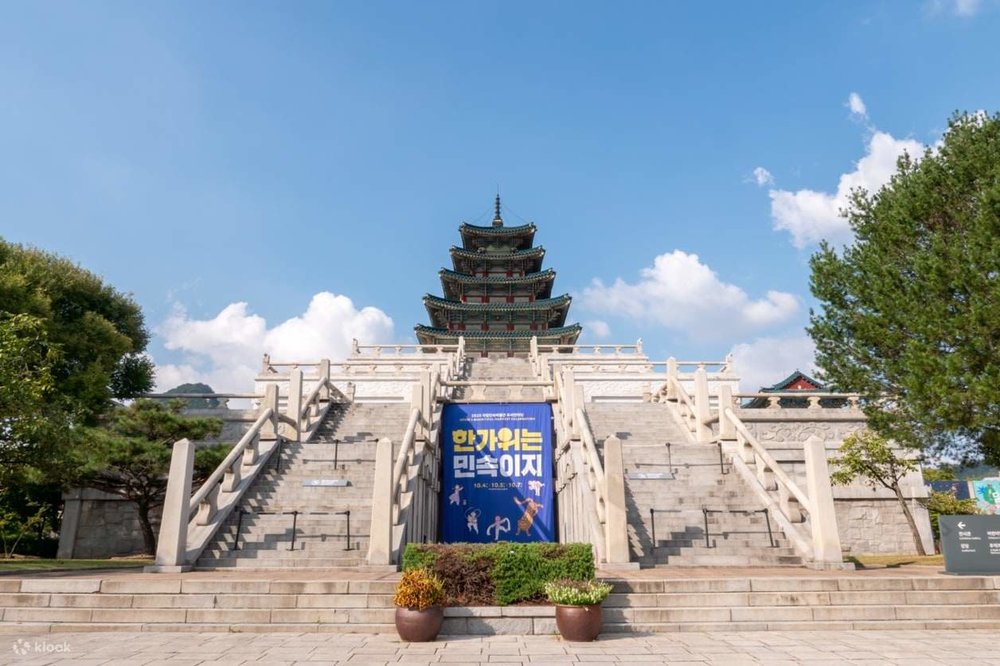
The National Folk Museum of Korea
If you’re coming from Gyeongbokgung Palace, you might as well head next door to the National Folk Museum of Korea. Why? Well, it’s located within the grounds of the palace, so if you’re there, you might as well take advantage of its free admission. Plus, it’s one of our top picks in our guide to the Best Museums in Seoul.
From traditional homes and farming tools to cultural customs and folk traditions, it showcases how Koreans lived during different periods of the country’s past. You might also want to join a National Folk Museum of Korea tour for deeper insight into the exhibits.
Address: 37 Samcheong-ro, Jongno District, Seoul, South Korea
Opening hours: 9 AM - 6 PM (daily)
How to get there: Subway Line 3 to Gyeongbokgung Station (Exit 5)
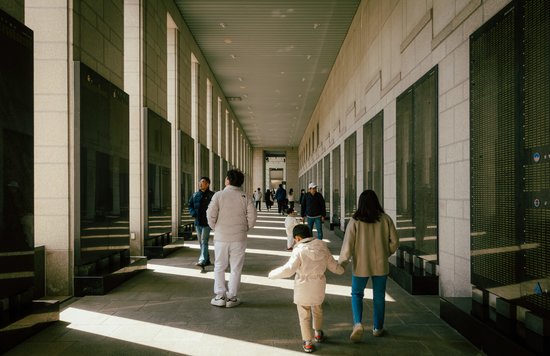
3. Changdeokgung Palace
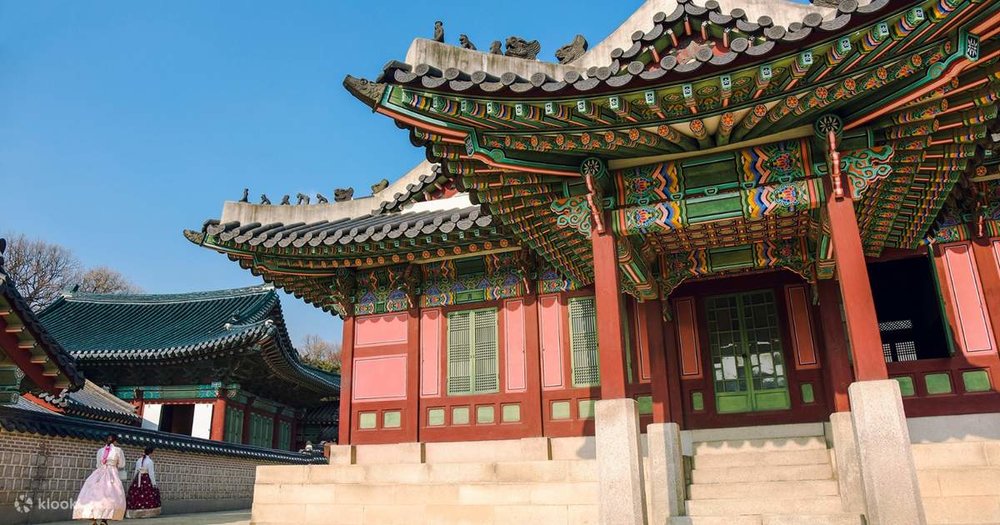
Changdeokgung Palace complex in Seoul
Located near the former royal palace, Changdeokgung Palace was once the residence of kings and queens and one of the “Five Grand Palaces” built during the Joseon dynasty. Now, it stands as the second UNESCO World Heritage in Seoul.
Curious to see how the royals roamed the palace? Try a hanbok rental near Changdeokgung Palace to immerse yourself in the royal experience and explore the grounds in traditional Korean attire.
Address: 99 Yulgok-ro, Jongno District, Seoul, South Korea
Opening hours: 9 AM - 6 PM (Tue - Sun; closed Monday)
How to get there: Subway Line 3 to Anguk Station (Exit 3)
4. Bukchon Hanok Village
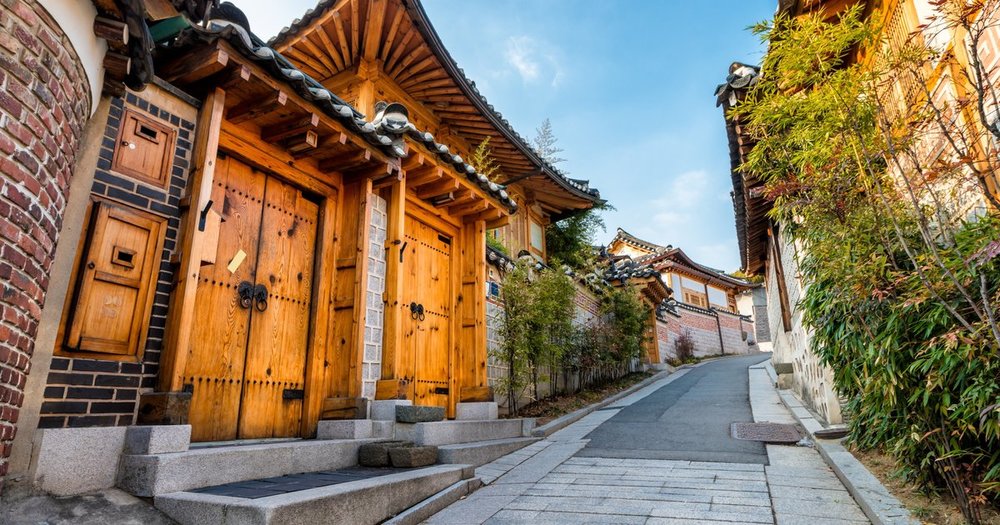
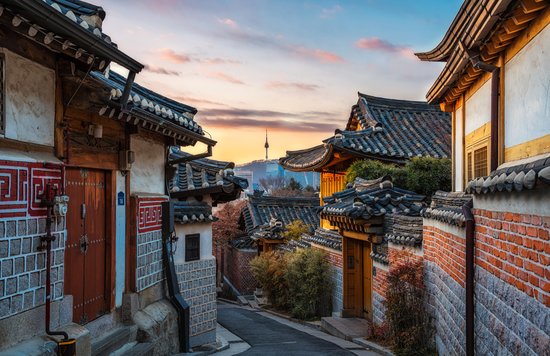
Historic Bukchon Hanok Village in Seoul
Once you’ve checked out the palaces, you can continue your trip at Bukchon Hanok Village and see the neighborhood that once housed aristocrats and noble families. If you’re visiting multiple historical sites in Seoul, make the most of your day with a Gyeongbokgung Palace, Hanok Village, and GwangJang tour in Seoul.
While many hanoks (traditional Korean houses) have been transformed into tea houses, galleries, workshops, and cultural centers, keep in mind that it remains a residential area, so remember to keep your voice levels low.
Address: Gyedong-gil, Jongno District, Seoul, South Korea
Opening hours: 10 AM - 5 PM (daily)
How to get there: Subway Line 3 to Anguk Station (Exit 2)
5. Namsangol Hanok Village
Your visit to historical sites in Seoul wouldn’t be complete without Namsangol Hanok Village, featuring five traditional Korean houses (Hanok) built during the Joseon dynasty.

A traditional Korean house in Namsangol Hanok Village | Source: Namsangol Hanok Village Facebook
After visiting each home, you’ll see how families from different social classes lived in the past. If you time your visit well, you might also catch traditional Korean performances, games, and ceremonies held at the village.
Address: 28 Toegye-ro 34-gil, Jung District, Seoul, South Korea
Opening hours: 9 AM - 9 PM, (Tue - Sun; closed Monday)
How to get there: Subway Line 3 or 4 to Chungmuro Station (Exit 3 or 4)
6. Insa-dong
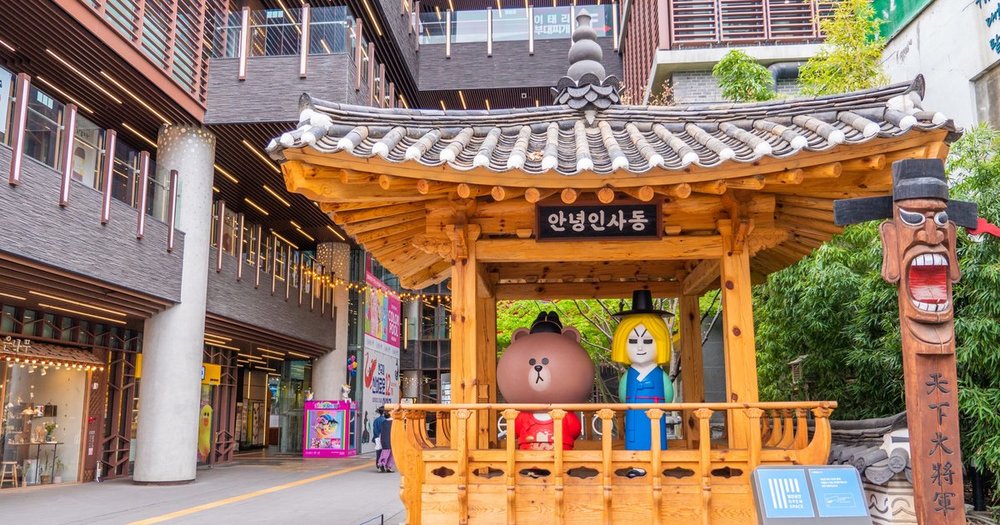
Annyeong Insadong shopping complex in Insa-dong
Insa-dong is the go-to neighborhood in Seoul if you want to experience South Korea’s traditional culture. The streets are narrow and quaint with teahouses, cafes, arts and crafts shops, and calligraphy shops all around.
If you want to experience the classic activities enjoyed back then, you’ll learn a lot from the locals by walking around the area. It’s also a great place to visit if you just want to relax and shop.
Address: 62, Insadong-gil, Jongno-gu, Seoul, South Korea
Opening hours: 24 hours (daily); stores and restaurant times may vary
How to get there: Subway Line 3 to Anguk Station (Exit 6)
7. Jongmyo Shrine
Dating back to the 16th century, the Jongmyo Shrine is the oldest preserved Confucian royal shrine, earning a spot on UNESCO’s World Heritage sites. Today, it houses the “spirit tablets” once used by the former kings and queens in rituals to honor their ancestors.
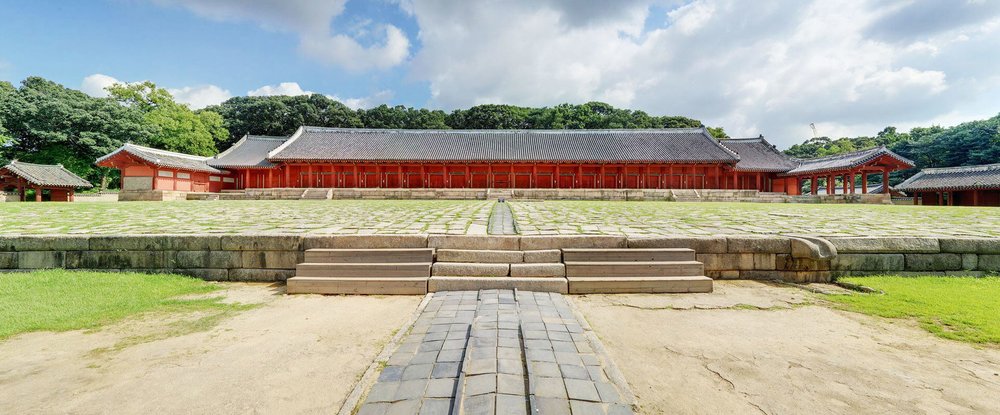
The grounds at Jongmyo Shrine | Source: UNESCO World Heritage Center Website
The shrine continues to host ancestral ritual ceremonies, which you may also witness when you visit. And once you’re there, you’ll feel the tranquil vibe surrounded by the lush trees in the forest. If you’re looking for a zen-like place in the city to meditate or just be alone with your thoughts, this is the place to be.
Want to explore more of the area? Book the Roots of Seoul walking tour, where you’ll not only visit this shrine but also Jogyesa Temple, Ikseon-dong, and Gwangjang Market!
Address: 157 Jong-ro, Jongno-gu, Seoul, South Korea
Opening hours: 9 AM - 4:40 PM (Wed - Mon; closed Tuesday)
How to get there: Subway Line 1, 3, or 5 to Jongno 3-ga Station (Exit 11)
8. Dongmyo Shrine
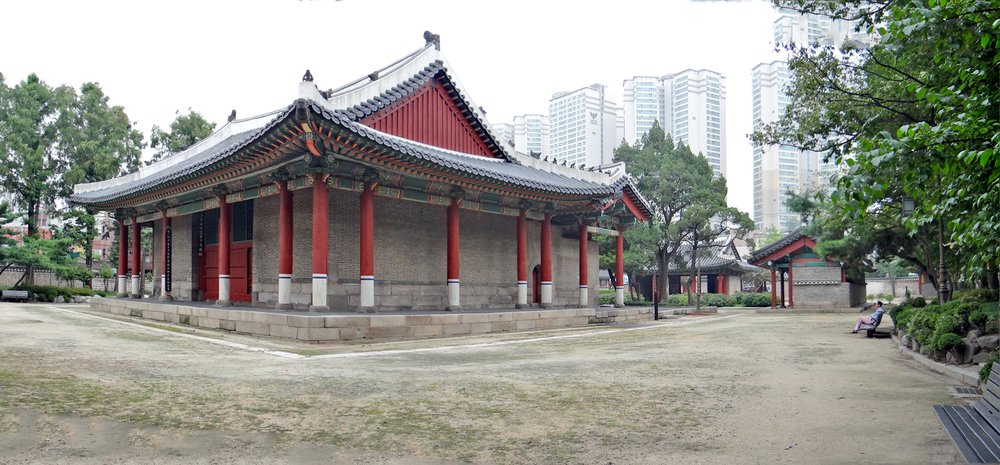
Dongmyo Shrine Memorial Hall | Photo by Steve46814 on Wikimedia Commons
Also known as Seoul Donggwanyangmyo, Dongmyo Shrine was built in honor of the 3rd-century military commander, Guan Yu. There are two main buildings, with Chinese influence preserved in the infrastructure. The shape of the roof is patterned after a Chinese letter, commonly found in the temples and shrines in China.
Address: 84 Nangye-ro 27-gil, Jongno District, Seoul, South Korea
Opening hours: 9 AM - 6 PM (daily)
How to get there: Subway Line 1 or 6 to Dongmyo Station (Exit 3)
9. Seoul City Wall
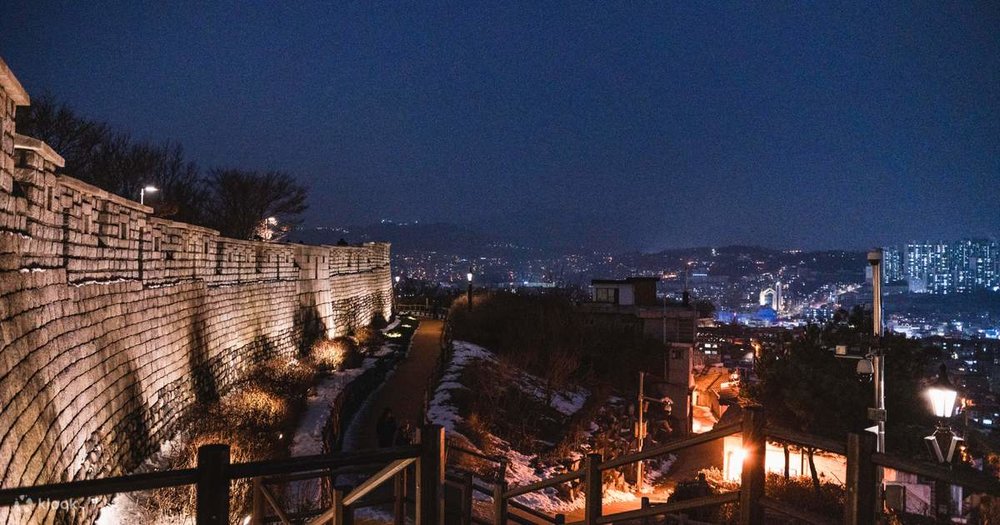
Seoul City Wall from Naksan Park at night
One of the less popular but still fascinating historical sites in Seoul is the Seoul City Wall, or Hanyangdoseong. Originally built during the Joseon dynasty, the wall once protected the capital city and stretched across the mountains.
Parts of the wall remain standing to this day and have earned quite a reputation for incredible night views of Seoul. It’s the perfect spot to enjoy a Seoul moonlight walking tour, as you walk through Naksan Park (where K-Pop Demon Hunters took inspiration from!) and encounter historic gates, watchtowers, and quiet neighborhoods.
Address: 622-83 Changsin-dong, Jongno District, Seoul, South Korea
Opening hours: 24 hours (daily)
How to get there: Subway Line 4 to Hyehwa Station (Exit 2)
10. DMZ (Demilitarized Zone)
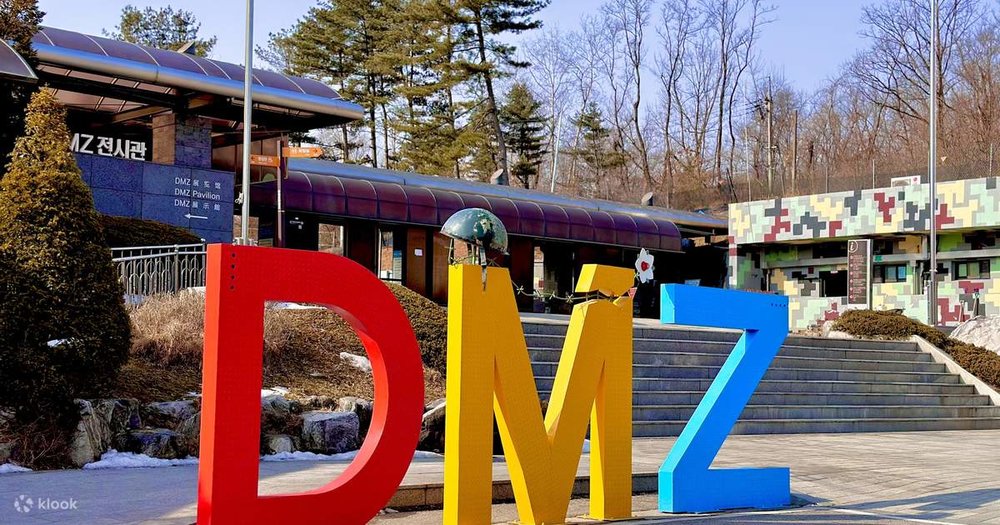
DMZ sculpture at Imjingak Park in South Korea
Among other historical sites in Seoul, one of the most unique places you can experience is the DMZ (Demilitarized Zone). While it’s not actually in the city center, it offers great insight into modern Korean history and the ongoing division between North and South Korea following the Korean War.
It’s important to note that the demilitarized zone is a highly secured and restricted military zone that you may not visit on your own. The only way to visit the DMZ is by booking an exclusive and licensed DMZ guided tour from Seoul.
Klook Tip: Tours typically require visitors to present a passport, so make sure to keep your passport with you at all times!
Address: Imjingak Resort (main visiting center); 148-53 Mangbaedan-ro, Munsan-eup, Paju-si, Gyeonggi-do, South Korea
FAQs
What is the most historical place in South Korea?
The most historical place in South Korea is Gyeongju, the ancient capital of the Silla Kingdom. It’s also known as a "museum without walls".
What are the 5 great palaces in Korea?
The five grand palaces built during the Joseon dynasty in Korea are Gyeongbokgung Palace, Changdeokgung Palace, Deoksugung Palace, Changgyeonggung Palace, and Gyeonghuigung Palace.
What is the oldest place in South Korea?
Gyeongju, established in 57 BCE, is widely considered the oldest and most historically significant city in South Korea. While in Seoul, Jongmyo Shrine is the oldest preserved historical landmark.
Are there free historical sites to visit in Seoul?
Yes! Several historical sites in Seoul are free or affordable to visit, including the National Museum of Korea, Seoul City Wall, and Namsangol Hanok Village. Some palace grounds even offer free admission if you’re wearing a hanbok.
Which temples in Seoul are historically significant?
Bongeunsa Temple and Jogyesa Temple are among Seoul’s most historically significant Buddhist temples and are definitely worth adding to your itinerary.
Recommended reads for Seoul searching
What is Klook?
Klook is a leading pan-regional experiences platform in Asia Pacific, purpose built to digitalize experiences and make them accessible to every traveler.
Our mission is to build the digital infrastructure for the global experience economy — empowering merchants to share their passions and travelers to discover the heartbeat of each destination. We operate a mobile-first, curated platform featuring diverse experiences across global destinations.