A few years ago, staying in an Airbnb felt like a travel hack. It was cheaper, more local, and a little exciting. Fast forward to now, and many travelers are quietly switching back to hotels—and loving it.
So what changed? We’ll break down why more travelers are choosing hotels over Airbnbs again, what people aren’t always told upfront, and how to decide what works best for your next trip.
Here’s the quick scoop:
• Extra fees and chores are wearing people out
• Hotels are winning on ease and consistency
• Travelers want simple stays, not surprise rules
The simplicity comeback
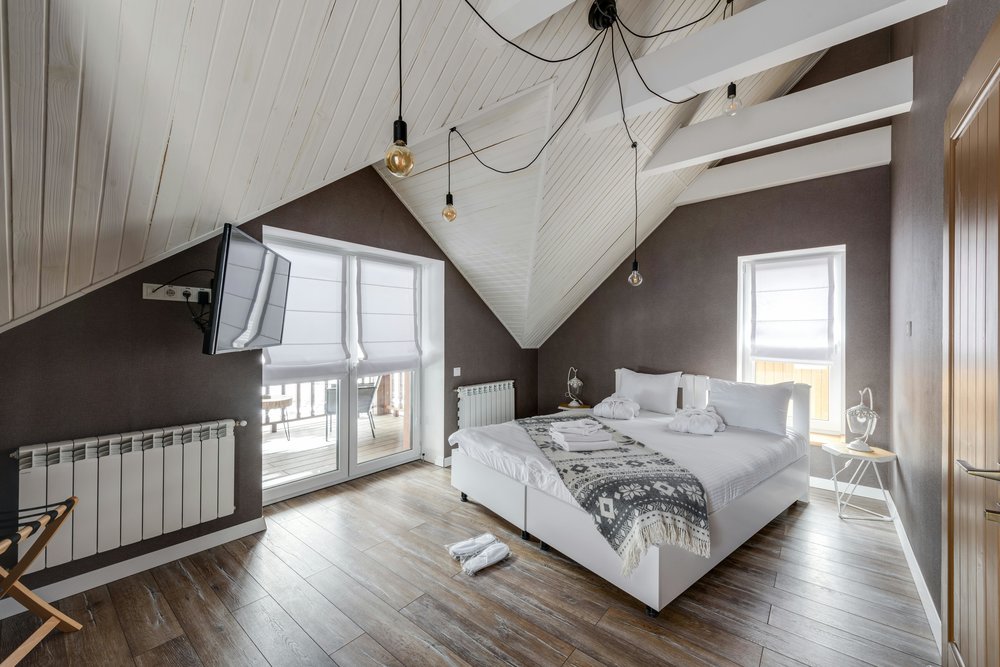
Cozy attic-style hotel room with a modern design | Photo from Max Vakhtbovych on Pexels
Five years ago, Airbnb felt personal and affordable. Today, many stays come with high cleaning fees, long checkout lists, and mixed results. That’s where the whole Airbnb vs. hotel debate heats up again.
What they’re not telling you:
Factor | Hotel | Airbnb |
Final price | Clear upfront rates | Often higher after cleaning & service fees |
Check-in & support | 24/7 front desk, instant help | Host-dependent, slower response |
Cleanliness | Daily cleaning, fresh towels | Varies by host and turnover |
Location | Central, transit-friendly | Can be far from main areas |
Short stays | Efficient and stress-free | Less practical for 1–2 nights |
Space & kitchen | Limited space, no kitchen | More room, full kitchen |
That “great deal” Airbnb can quickly grow expensive after cleaning fees and service charges. A quick hotel price comparison often shows hotels are equal—or cheaper—for solo travelers and couples.
Hotels deliver what travelers want most: clean rooms, fresh towels, and on-site help if something goes wrong. There’s no waiting on a host. You check in, drop your bag, and go.
This matters most on short trips. For weekend getaways or work travel, hotels save time and energy with central locations and easy access to transport and attractions. That’s why the Airbnb vs. hotel debate feels different today.
Airbnbs still work well for families and larger groups. Extra space, real kitchens, and shared living areas make longer stays more practical and affordable.
But oversaturation has hurt consistency. In many cities, too many listings mean uneven quality and last-minute cancellations—issues hotels rarely have.
Add growing housing and regulation concerns, and more travelers are turning to Airbnb alternatives, with hotels being the simplest switch.
In the end, travelers want fewer surprises. Hotels offer a clear promise: what you book is what you get.
If you’re deciding fast, here’s a shortcut:
- Solo or couple trip? Hotel wins
- Short stay? Hotel wins
- Big group or long stay? Airbnb still shines
The key is matching the stay to the trip, not the trend.
FAQs about Airbnbs vs Hotels
What is the 25 rule on Airbnb?
The 25 rule usually refers to hosts limiting bookings to guests aged 25 and up. It’s meant to reduce parties but can surprise younger travelers.
Is a Airbnb or hotel cleaner?
Hotels generally follow stricter cleaning standards with daily housekeeping. Airbnbs can be clean, but quality depends heavily on the host.
What is the biggest problem with Airbnb?
Hidden fees and inconsistent experiences top the list. Many travelers feel the value no longer matches the price.
Compare your options, book with confidence, and choose the stay that makes travel feel effortless again!




What is Klook?
Klook is a leading pan-regional experiences platform in Asia Pacific, purpose built to digitalize experiences and make them accessible to every traveler.
Our mission is to build the digital infrastructure for the global experience economy — empowering merchants to share their passions and travelers to discover the heartbeat of each destination. We operate a mobile-first, curated platform featuring diverse experiences across global destinations.
✨ Follow us for more deals and inspiration for your upcoming travels