
Is a Gyeongju Day Trip Worth It? What You Can See in Just 12 Hours
Looking to escape the fast-paced energy of Seoul or Busan for a day? A Gyeongju day trip is the perfect way to slow down and step back in time.
Known as Korea’s “museum without walls,” Gyeongju is filled with ancient tombs, centuries-old temples, and stunning historical sites from the Silla Dynasty — Korea’s first unified kingdom.
Just a 2-hour KTX ride from Seoul, this charming city offers a rare blend of nature, history, and culture that you won’t find anywhere else. Whether you're a history buff or simply want to experience a different side of South Korea, here’s everything you need to know to plan a meaningful day trip to Gyeongju.
💡 Klook Tip: Save on attraction fees and transport with the all-in-one Gyeongbuk Tour Pass, designed especially for foreign travellers!
How to Get to Gyeongju
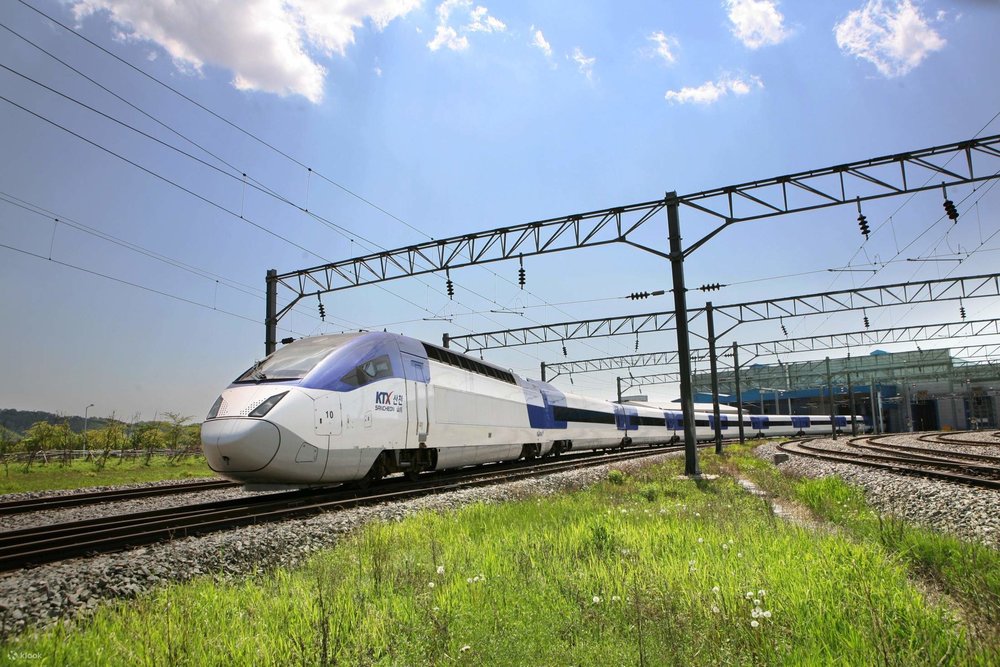
Getting to Gyeongju from Seoul is easy, especially if you’re planning a day trip. The fastest and most convenient way is by KTX (Korea Train Express), but there are a couple of options depending on your budget and travel style.
How to Get to Gyeongju from Seoul
High-speed rail (KTX): Take the KTX from Seoul Station to Sin Gyeongju Station — the ride takes about 2 hours. From there, take a bus or taxi (15–20 mins) to the city center.
Express bus: Buses depart from Seoul Express Bus Terminal and take 3.5 hours to reach Gyeongju. The fare is more budget-friendly, but less ideal for a same-day return trip.
How to Get to Gyeongju from Busan
High-speed rail (KTX): Take the KTX from Busan Station to Sin Gyeongju Station, which takes about 30–40 minutes. From the station, hop on a bus or taxi to reach the city centre in around 15–20 minutes.
Express bus: Depart from Busan Central Bus Terminal (Nopo) — the ride to Gyeongju takes about 1 hour. This option is affordable and direct, with the terminal conveniently located near downtown Gyeongju.
Top Things to do in Gyeongju
1) Bulguksa Temple
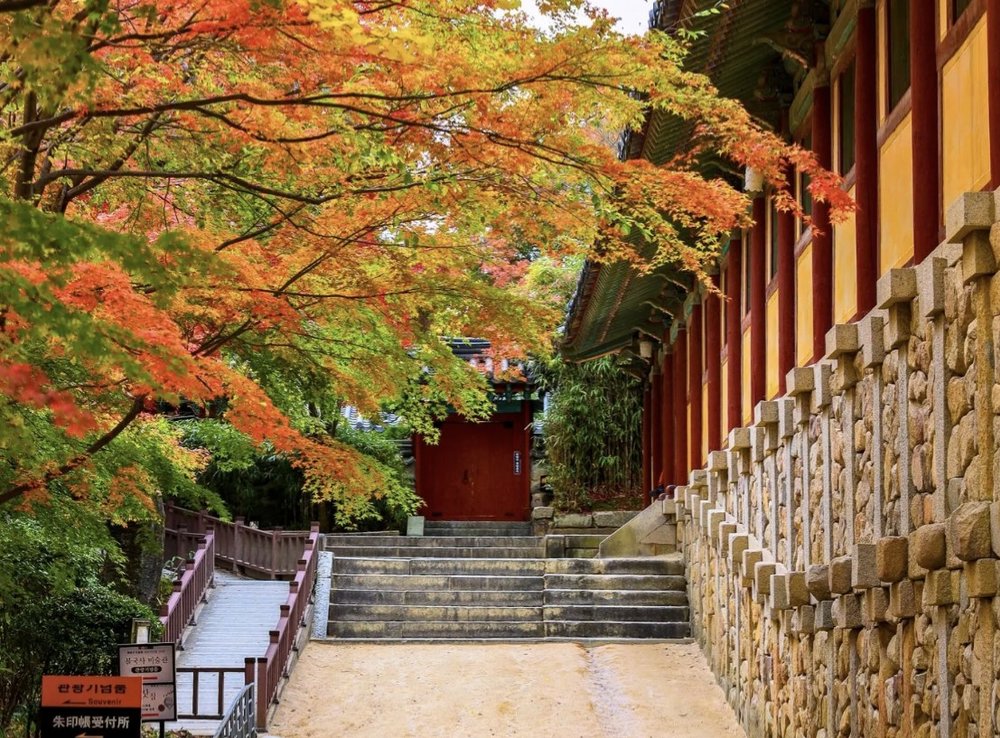
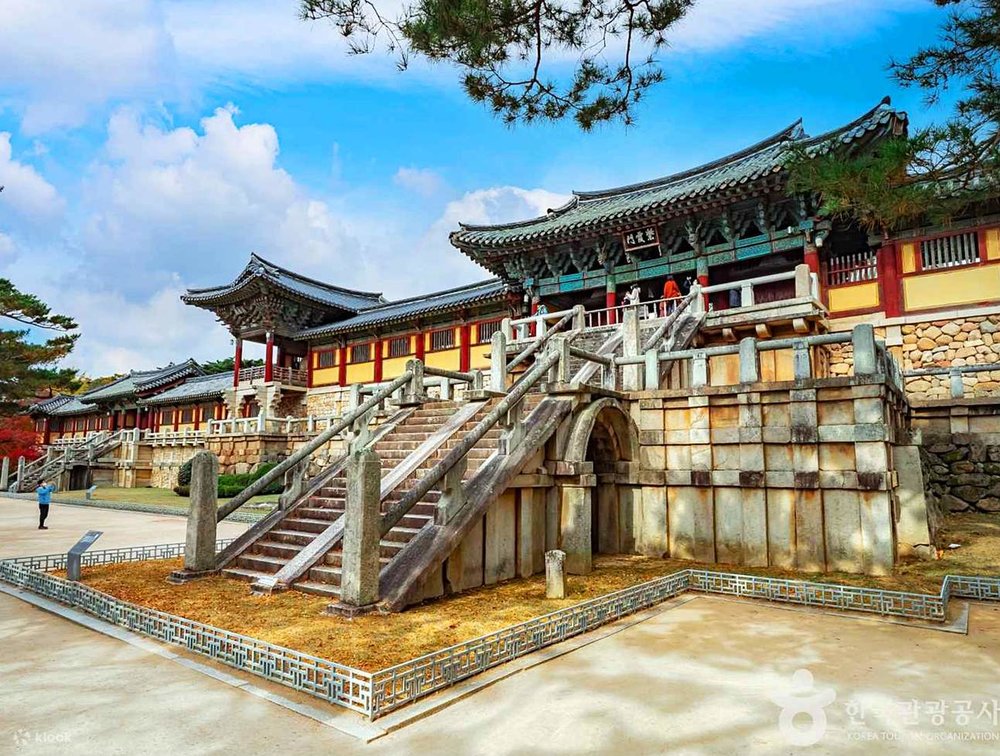
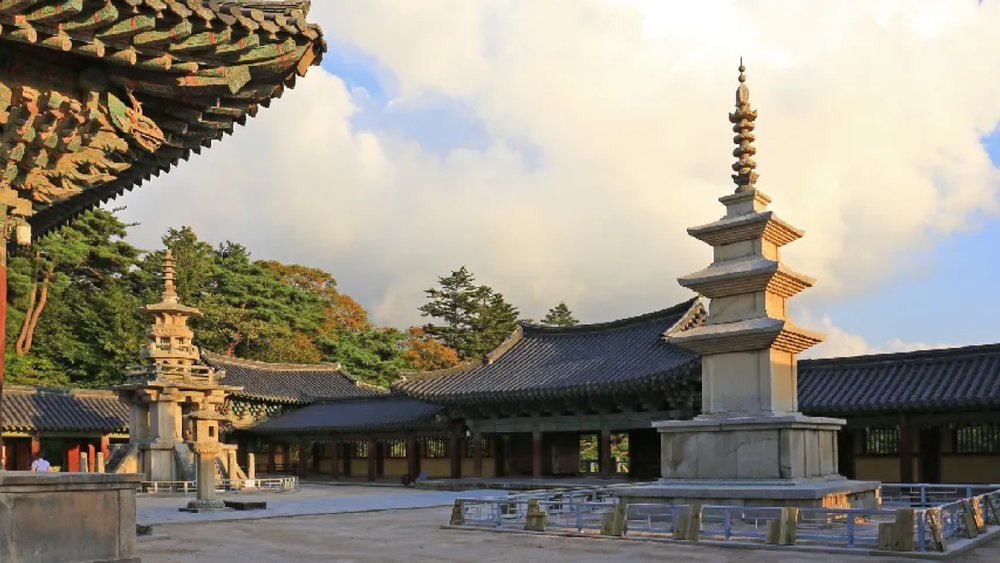
A UNESCO World Heritage Site, Bulguksa Temple is the crown jewel of Gyeongju’s cultural landmarks. Originally built in 528 during the Silla Dynasty, it's home to two iconic stone pagodas and intricate wooden architecture that reflect the height of Buddhist art in ancient Korea.
- ⏰ Opening Hours: 7AM – 5PM (varies by season)
- 💸 Entrance Fee: ₩6,000
2) Donggung Palace & Wolji Pond
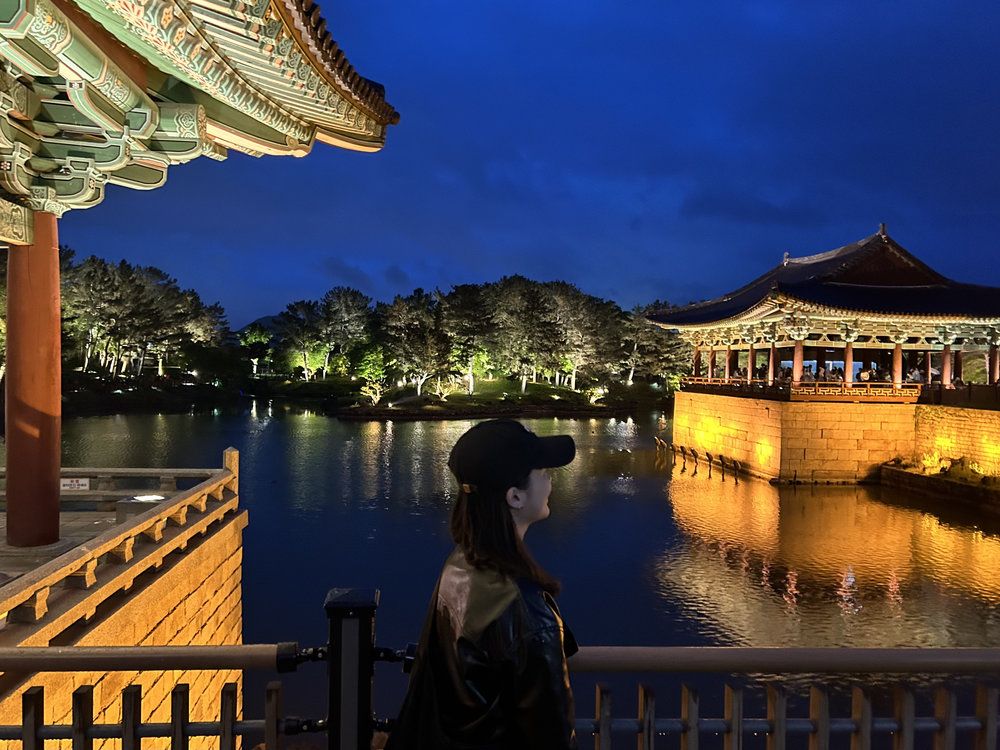
Credit: instagram @yin.lllowo
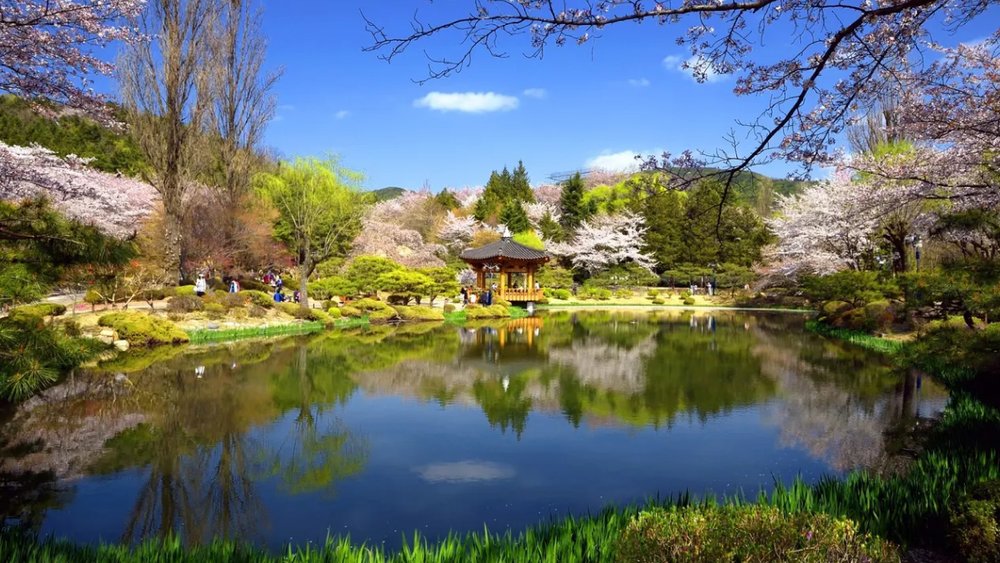
Once a royal banquet hall during the Silla Dynasty, Donggung Palace & Wolji Pond transforms at sunset. The reconstructed palace buildings are beautifully lit at night, reflecting off the pond for postcard-perfect views.
- ⏰ Opening Hours: 9AM – 10PM (last entry at 9:30PM)
- 💸 Entrance Fee: ₩3,000 [Free admission with the Gyeongbuk Tour Pass]
3) Daereungwon Tomb Complex
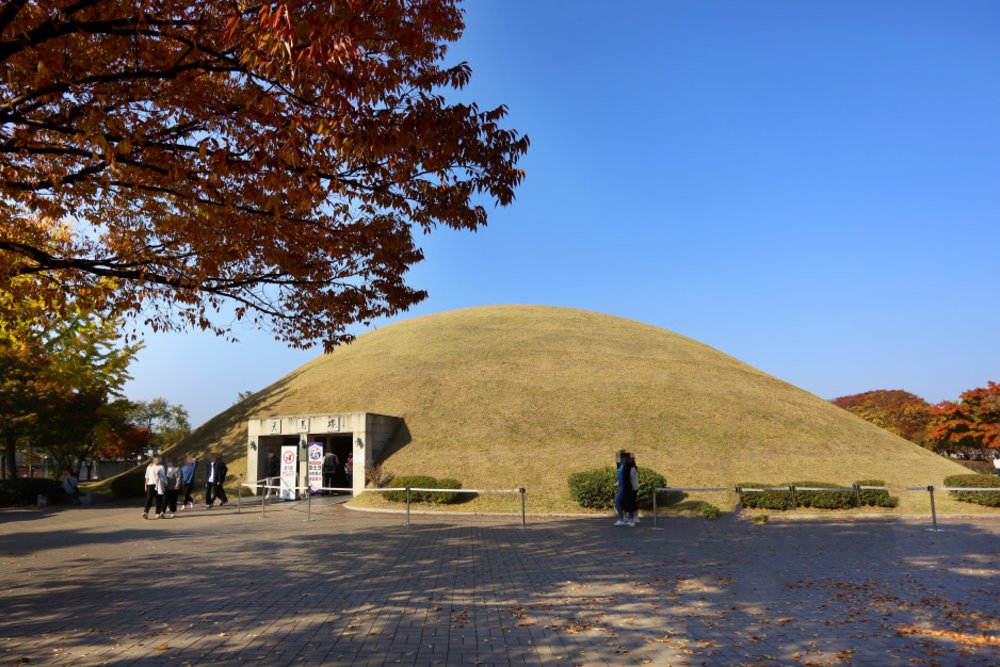
Daereungwon Tomb Complex is a collection of royal burial mounds from the Silla Dynasty, often called the “Royal Tomb Park.” Beneath the grassy domes lie the remains of kings and nobles from over a thousand years ago.
The highlight here is Cheonmachong (Heavenly Horse Tomb) — the only tomb open to the public. Inside, you’ll find golden crowns, ornaments, and everyday items that reveal the luxurious lives of Silla royalty. It’s a must-visit for history lovers and anyone curious about Korea’s ancient past.
- ⏰ Opening Hours: 9AM – 10PM (last admission 9PM)
- 💸 Entrance Fee: ₩3,000 [Free admission with the Gyeongbuk Tour Pass]
4) Gyeongju World
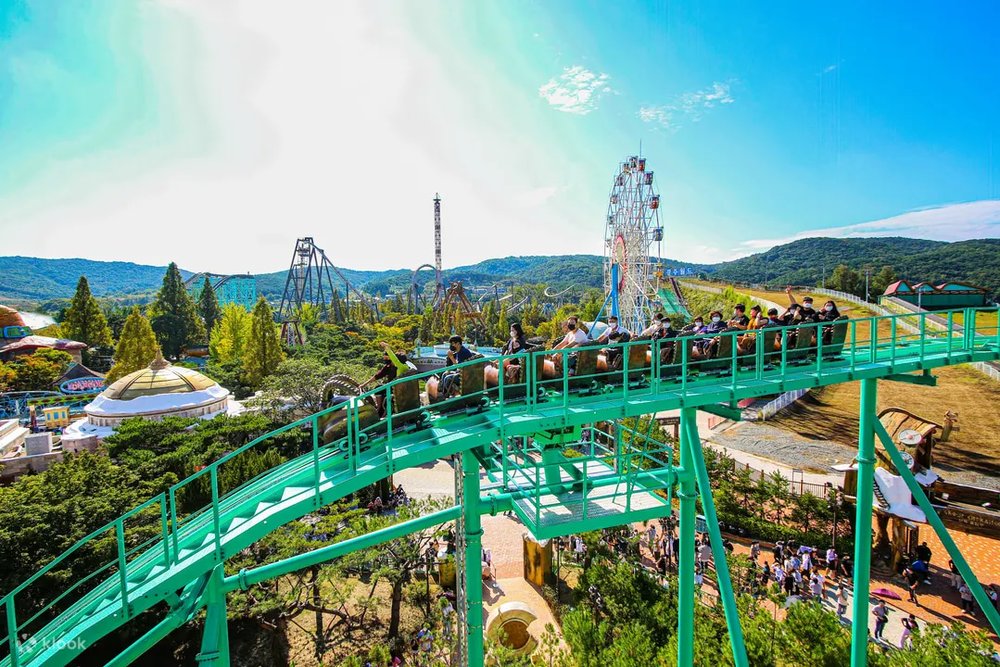
Take a break from the temples and tombs with a few hours of fun at Gyeongju World — one of Korea’s largest theme parks. It features thrilling rides like the Draken roller coaster, a water park in summer, and a kids' zone for families. A great option if you're travelling with children or want to balance history with excitement.
- ⏰ Opening Hours: 10AM – 6PM (varies by season)
- 💸 Entrance Fee: From ₩35,000+ [Free admission with the Gyeongbuk Tour Pass + Gyeongju World Combo]
5) Yangdong Hanok Village
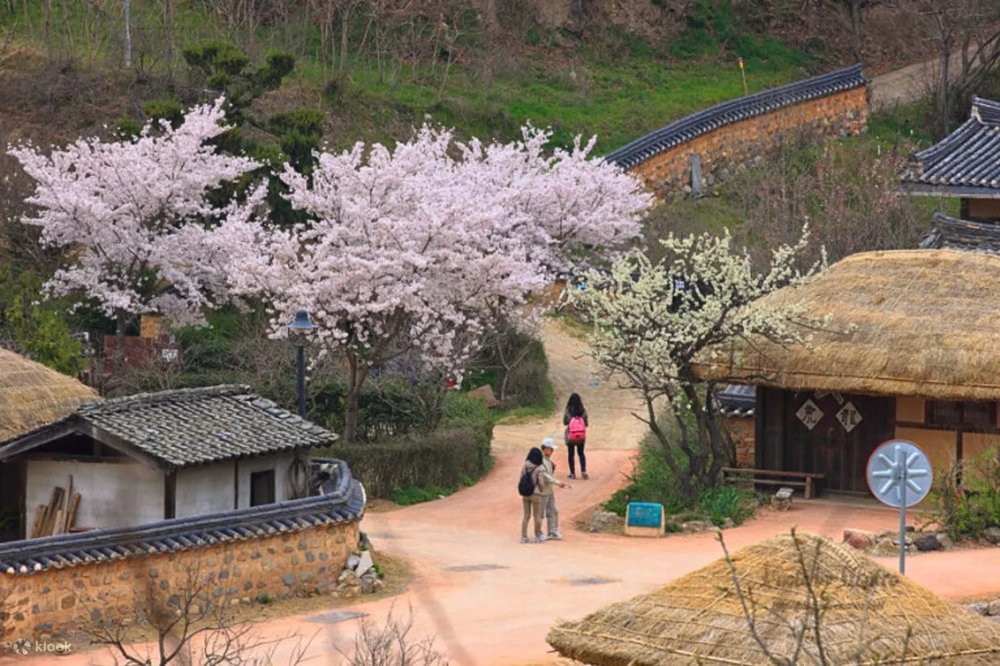
A designated UNESCO World Heritage Site, Yangdong Village is one of Korea’s most well-preserved traditional hanok villages. Nestled between forested hills and rivers, this historic village features over 160 Joseon-era houses, carefully arranged according to feng shui principles and the natural landscape.
Wandering through its quiet alleyways feels like stepping into a living museum. You'll pass elegant rooftops, wooden gates, and stone walls that reflect the architectural beauty and cultural depth of the Joseon Dynasty.
- ⏰ Opening Hours: 9AM – 6PM
- 💸 Entrance Fee: ₩4,000 [Free admission with the Gyeongbuk Tour Pass]
6) Seokguram Grotto
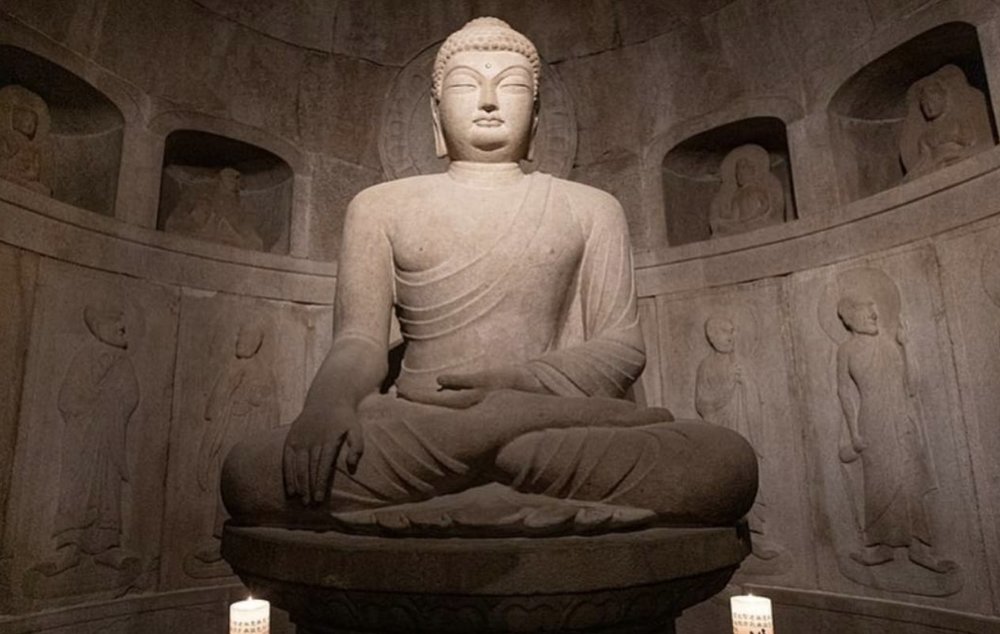
Nestled on Tohamsan Mountain, Seokguram houses a stunning granite Buddha that has watched over the East Sea since the 8th century. It’s a short ride from Bulguksa, making it a worthwhile detour if time allows.
- ⏰ Opening Hours: 7AM – 5PM (November–January), 7AM – 6PM (February–October)
- 💸 Entrance Fee: ₩6,000
7) Hwangnidan-gil
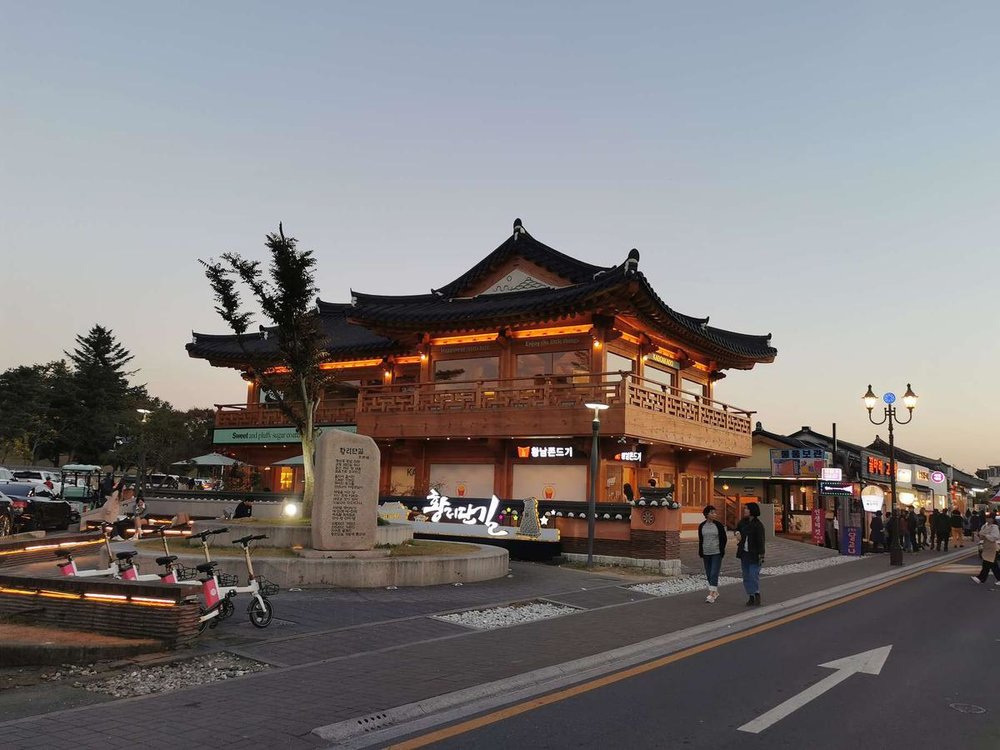
Hwangnidan-gil is a modern street with traditional vibes — think hanok cafés, boutique shops, and Instagram-worthy corners. It’s the perfect stop for a mid-day coffee or local dessert.
- ⏰ Shops/Cafés typically open: 10AM – 8PM (hours vary by store)
Sample Gyeongju Day Trip Itinerary
8:00 AM – Depart from Seoul or Busan via KTX
Arrive at Sin Gyeongju Station, then take a taxi or bus into the city centre.
9:30 AM – Start at Bulguksa Temple
Explore this UNESCO temple surrounded by forested hills.
11:00 AM – Quick stop at Seokguram Grotto (if time allows)
A short drive uphill for panoramic views and the famous granite Buddha.
12:30 PM – Lunch in the city
Try Gyeongju ssambap (rice wraps) or Hwangnam bread for dessert.
2:00 PM – Visit Daereungwon Tomb Complex
Walk among the ancient royal burial mounds and enter Cheonmachong tomb.
3:00 PM – Stroll down Hwangnidan-gil
Grab a coffee at a hanok café or take photos in this trendy street.
4:30 PM – Explore Donggung Palace & Wolji Pond
Perfect timing for golden hour and evening lights reflected on the water.
6:00 PM – Head back to Sin Gyeongju Station
Return to Seoul or Busan via evening KTX.
How to Get Around Gyeongju
By Taxi: The fastest and most convenient way to get between attractions — especially if you're short on time. Most major sites are within a 10–20 minute drive of each other. Taxis are affordable and easy to find at tourist spots.
By Bus: Gyeongju’s local buses cover major attractions like Bulguksa Temple and Anapji Pond, but schedules can be irregular and stops are mostly in Korean. Best for those travelling on a budget or with time to spare.
By Bike: Gyeongju has bike rental shops near the city centre. Cycling is a scenic way to explore nearby tombs, palace ruins, and hanok streets — especially around the Daereungwon and Anapji areas.
By Tour: For maximum convenience, book a Gyeongju day tour on Klook. It includes transport between attractions, often with an English-speaking guide — perfect if you're on a tight schedule or want a deeper understanding of the sites.
Save More with the Gyeongbuk Tour Pass
If you’re planning to visit multiple attractions in Gyeongju, the Gyeongbuk Tour Pass is one of the best money-saving tools for travellers. Designed exclusively for foreign visitors, this all-in-one mobile pass gives you free entry to over 200 cultural sites across Gyeongsangbuk-do — including many of Gyeongju’s top landmarks.
Key Attractions & Experiences Covered Under the Gyeongbuk Tour Pass |
|---|
Donggung Palace and Wolji Pong (₩3,000) Yangdong Village (₩4,000) World Rental Shop (₩10,000) Gimcheon National Healing Forest (₩5,000) Moon Village of Memories (₩7,500) Cheonmachong Tomb (₩3,000) King Muyeol;s Tomb (₩2,000) Yangdong Village (₩4,000) General Kim Yu-sin’s Tomb (₩2,000) |
Instead of paying for tickets separately, this pass can help you save up to 94% on admission fees. It also doubles as a transportation card, making it super convenient to get around without needing a separate T-money or cash for local buses.
Each pass comes with a pre-loaded transit card (worth 5,000 KRW) to cover local city and intercity buses, as well as taxis, making travel across Gyeongbuk completely hassle-free
How to Use the Gyeongbuk Tour Pass
1) Buy the Gyeongbuk Tour Pass through Klook
2) Activate the Pass on Your Phone: Once you’ve purchased it, you’ll receive a QR code or app link. The tour pass automatically begins its countdown once it is used at the first check-in point. No need for a physical card — it’s fully mobile!
3) Scan for Entry at Participating Attractions: At each included attraction, show your QR code at the entrance to get in for free. No extra payment required!
4) Use it as a Transport Card: The tour pass includes a specially designed T-money transportation card exclusive to the Gyeongbuk Tour Pass. You can pick it up at any of the eight designated T-money card collection points. These collection points are located at major transportation hubs for your convenience. Enjoy seamless travel throughout Gyeongju, Andong, and beyond.
Your pass is valid for a set number of hours/days after activation — so plan your route to maximise the included attractions during that time!

More South Korea Inspiration



What is Klook?
Klook is a leading pan-regional experiences platform in Asia Pacific, purpose built to digitalize experiences and make them accessible to every traveler.
Our mission is to build the digital infrastructure for the global experience economy — empowering merchants to share their passions and travelers to discover the heartbeat of each destination. We operate a mobile-first, curated platform featuring diverse experiences across global destinations.
✨ Follow us for more deals and inspiration for your upcoming travels