
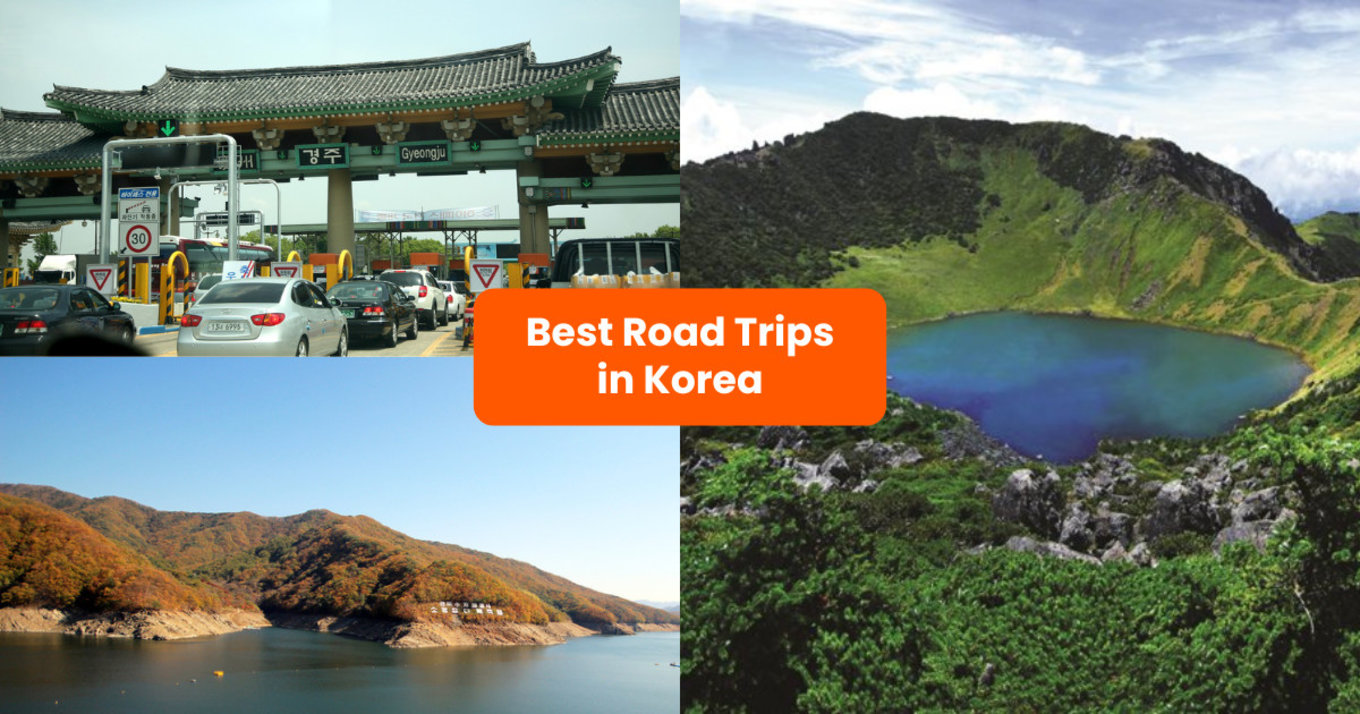
Gorgeous Korea Road Trips to Add to Your Korea Road Trip Bucketlist
You might be thinking… a road trip in South Korea?! Hear us out. Granted that it’s easy to get around the major cities like Seoul and Busan with public transport, and even inter-city travel is a breeze with the high-speed KTX trains. But, why not take it down a notch for your next trip, and see things at your own pace?

Photo credit: Hyundai Motor Group
On a road trip, you get the freedom and autonomy to go wherever you want, whenever you want; without having to be constrained by bus or train timings or routes. Make as many stops as you want, or take a spontaneous detour… your trip will be entirely yours to control.
Even better, you’ll be able to reach some scenic spots that are otherwise difficult to get to via public transport. Plus, you can throw all your items into the car, making things that much more convenient!
South Korea car rental
If you’re sold on the idea, first up would be to settle your rental car. Klook has a pretty sweet line-up of rental cars from renowned brands like Hertz or Sixt, which have cars in all shapes and sizes. From roomy MPVs to nifty hatchbacks, they have it all! And, if it’s not your first rodeo, you’d know that taking the full insurance is a full-brainer for added peace of mind. Trust us, you’ll thank us later!
Easily add extras like an English GPS or children’s car seats too, with free cancellations to sweeten the deal.
#KlookTips for driving in South Korea
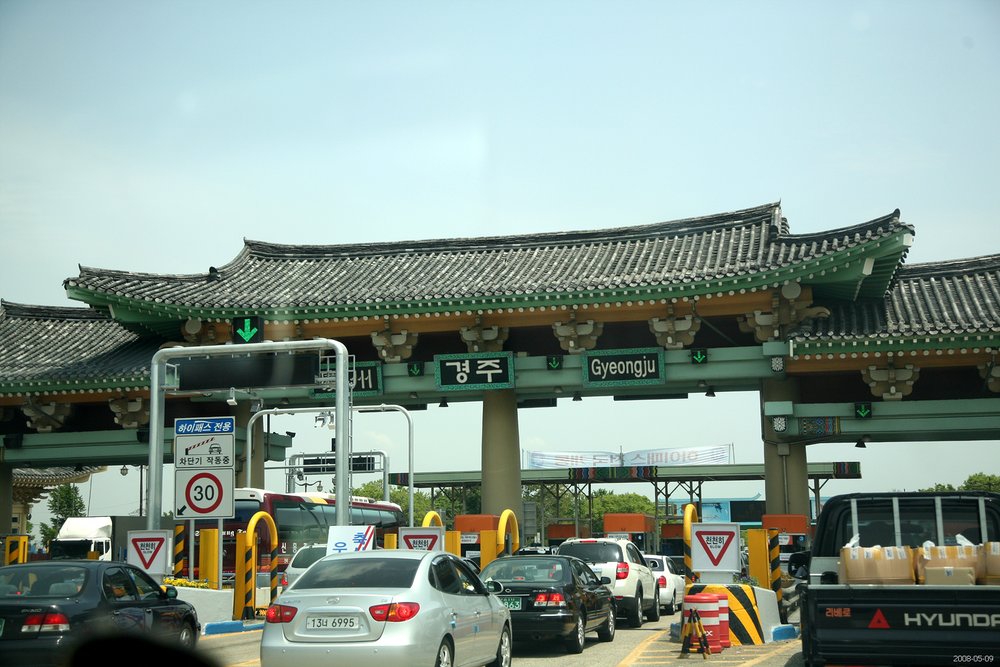
Photo credit: Junho Jung
- Don’t forget to apply for an International Driver’s Permit; you’ll need to present it together with your driver’s license at the rental shop.
- Download the ‘Naver Maps’ app for ease of navigation, as Google Maps doesn’t work so well in Korea.
- You’ll be driving on the right side of the road, so do take some time to familiarise yourself if this is new to you!
- At the toll gates, go towards the booths that accept cash (look out for the ‘현금’ sign). Avoid the lanes marked with blue signages, as these are for local cars with the Hi-Pass card. If you happen to go through the Hi-Pass lanes, don’t worry! Simply pay the missed fare at the next toll gate.
- There are lots of speed cameras around! Make sure you keep within the specified speed limits.
- Emergency numbers to bookmark are 112 for the police, as well as 119 for the fire and medical departments.
South Korea road trip routes
1. Seoul to Busan
Instead of a train to Busan, why not venture on a drive to Busan? From Seoul, make your way to Suwon, Sejong, Gongju, Daejeon, Daegu, and finally to Busan. This route is a classic combination of culture, scenery, and history — making it somewhat of a lovely snapshot of what Korea has to offer as a country.
Highlights
Suwon Hwaseong Fortress
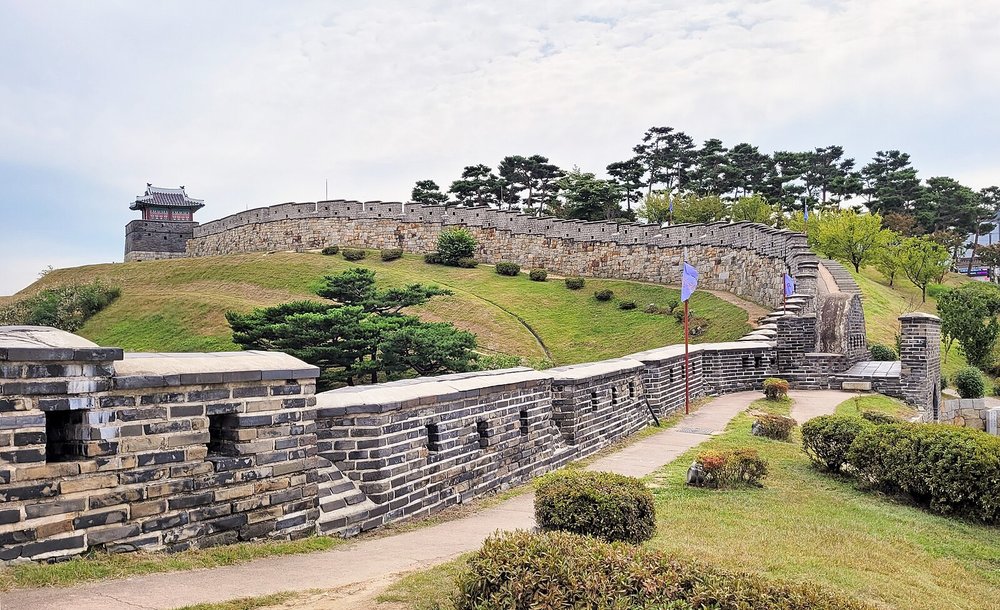
Photo credit: Bernard Gagnon on Wikimedia Commons
A UNESCO World Heritage Site, Suwon Hwaseong Fortress stretches for a whopping 5.74 kilometres. It surrounds the main part of Suwon city, and makes for an easy stroll with gradual to no incline along the walls. There are four gates, and the entire course will take around three hours to complete. Don’t worry, you don’t have to do the whole thing — just pop out whenever you feel like it!
Daecheongho Lake
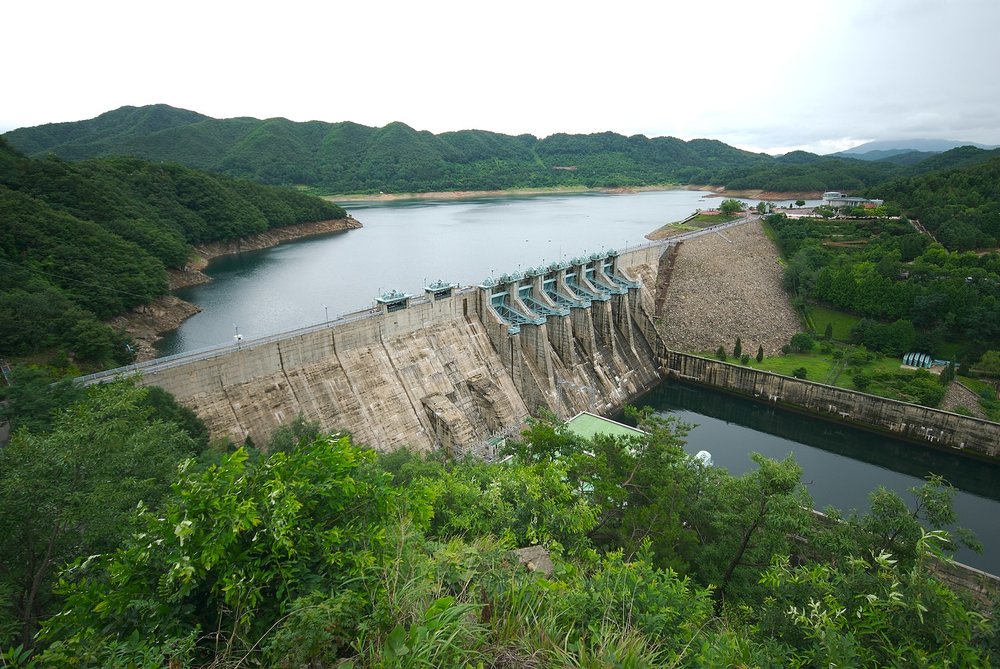
Photo credit: Yoo Chung on Wikimedia Commons
Daecheongho Lake is a manmade lake that was formed after the construction of Daecheongho Dam. It’s best known for the scenic driving course — which is 200 to 300 metres above sea level — that circles the lake. See if you can spot some white herons along the way, and take lots of photos at the path lined with (seasonal) chrysanthemum blooms (seasonal).
#KlookTip: For a panoramic view, head to the third floor of the Daecheong Dam Water Culture Center.
Simni Bamboo Grove
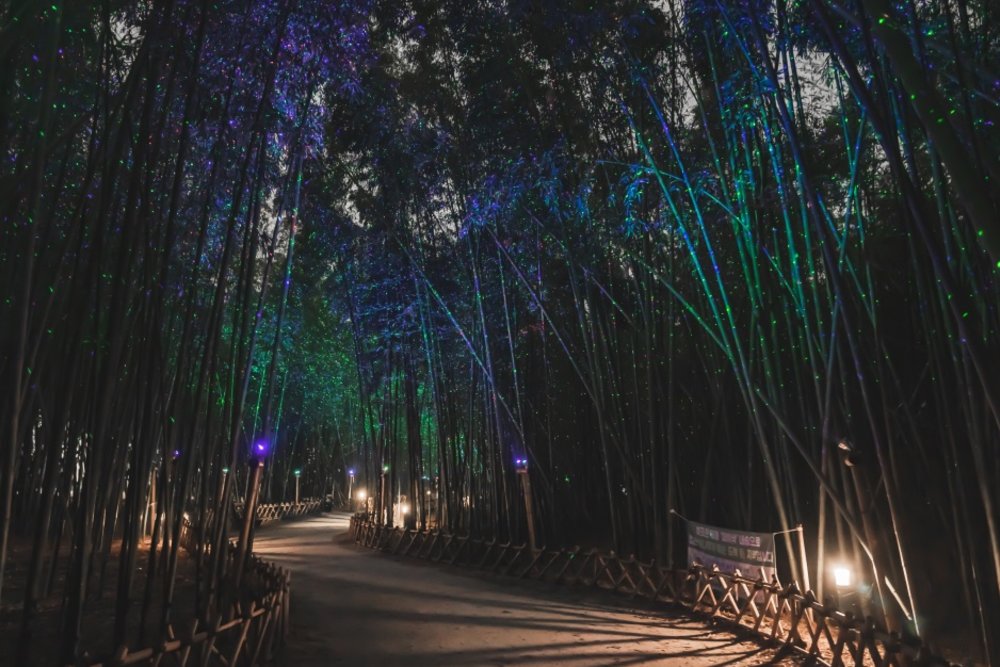
Photo credit: Visit Korea
Stretching over four kilometres along the Taehwagang River, Simni Bamboo Grove feels worlds away from the city’s hustle and bustle. It’s even more gorgeous at night, where light illuminations transform it into a scene that resembles the Milky Way.
Other pitstops to check out:
- Gongsan-seong Fortress
- Deogyusan National Park
- Seomun Market (Daegu)
2. Busan to Gwangju
Kickstart your adventure from Busan, and head to Jinju, Suncheon, before ending at Gwangju. This route is for driving with your hair down, and belting out song playlists at the top of your lungs. You’ll traverse through incredibly scenic countryside vistas, plus pass by Nakdong River (the longest river in South Korea!).
Suncheon Bay Eco Park
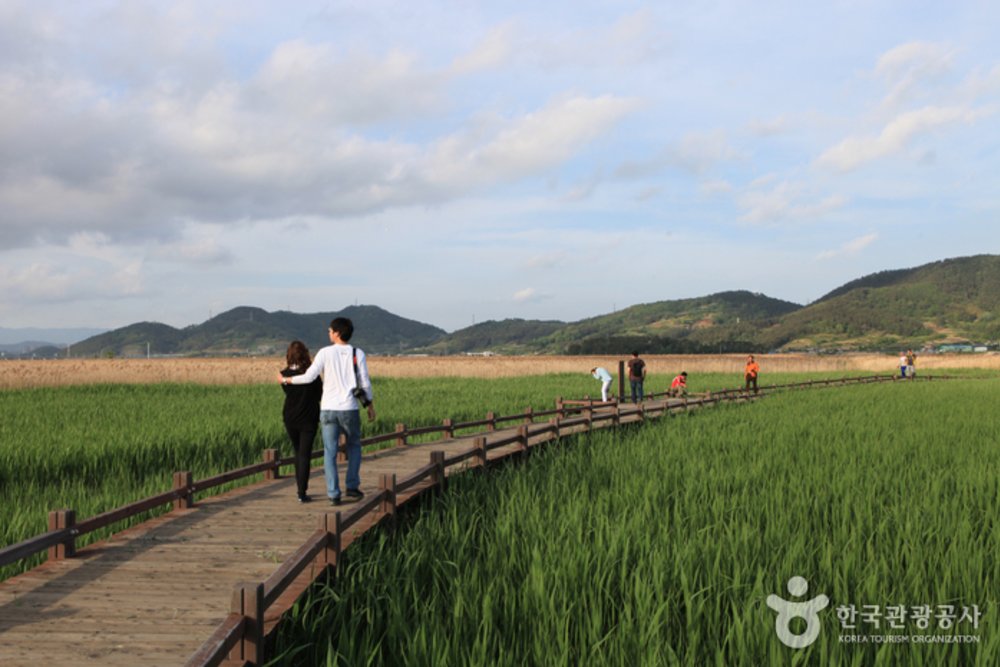
Photo credit: Visit Korea
Get back to nature at Suncheon Bay Eco Park, which is home to Suncheonman Wetland. Comprising one of the world’s five best coastal wetlands, the area meanders along a three-kilometre-long river. Keep a lookout for all kinds of bird species, and scan the tidal flats for mudskippers.
#KlookTip: Time your visit for sunset, which is best enjoyed from the observatory.
Naganeupseong Folk Village
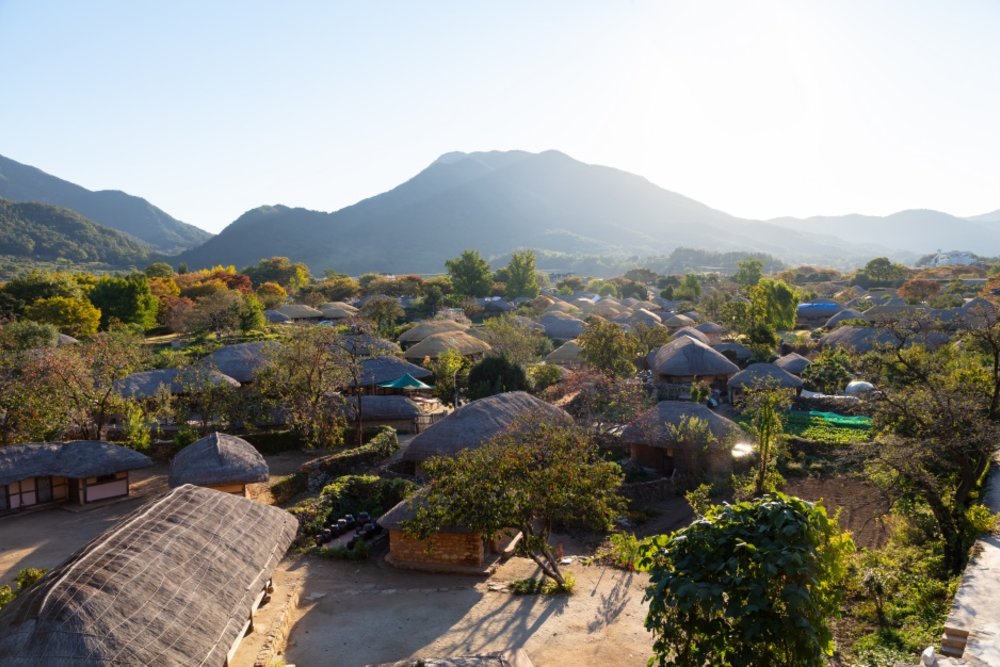
Photo credit: Visit Korea
Travel back in time at the Naganeupseong Folk Village, which is lined with nostalgic houses with roofs made from rice straw. There are lots of hands-on experiences, such as checking out a blacksmith’s workshop, silk-farming, attending a village school, trying on traditional costumes, as well as activities like weaving and dyeing. Don’t miss out on the shows as well, including military music and traditional music performances, a traditional wedding ceremony, and more.
#KlookTip: Head to the Ssangcheong-nu Pavilion at the South Gate for a lovely view.
Suncheon Open Film Set
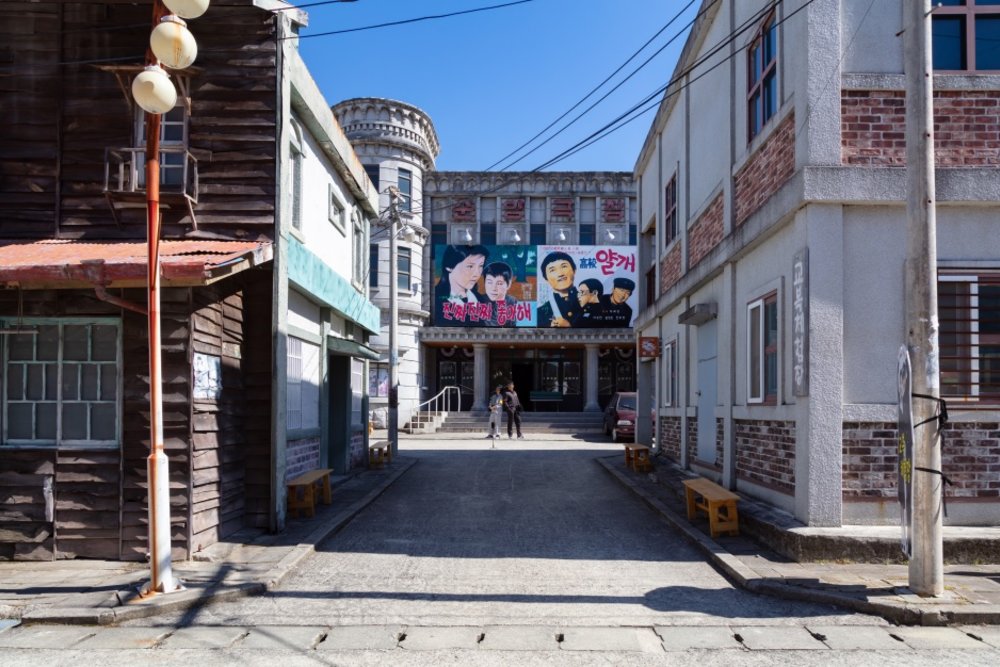
Photo credit: Visit Korea
Hands up if you’re an avid K-drama fan! Suncheon Open Film Set gives you the chance to walk in the shoes of stars from the ‘Chronicle of a Blood Merchant’, ‘Giant’, Bread, Love, and Dreams’ and ‘Love and ‘Ambition’ dramas. Snap lots of photos at the film set’s three areas: Suncheon in the 1950’s, Seoul’s Bongcheong-dong Village in the 1960’s, and the suburbs of Seoul in the 1970’s.
Other pitstops to check out:
- Jinju Fortress
- Jinju National Museum
- Donji-gol Valley
- Suncheonman Bay National Garden
- Jogyesan Provincial Park
3. Incheon to Sokcho
Did you know that Incheon is so much more than just the Incheon International Airport? Make a trip to the Wolmido Promenade and Songwol-dong Fairytale Village, before trooping over to Ganghwa-do Island. A definite highlight of this route is going on a tour of the Joint Security Area, a part of the Korean Demilitarized Zone (DMZ) where North and South Korean leaders meet face to face.
Highlights
Ganghwa Peace Observatory
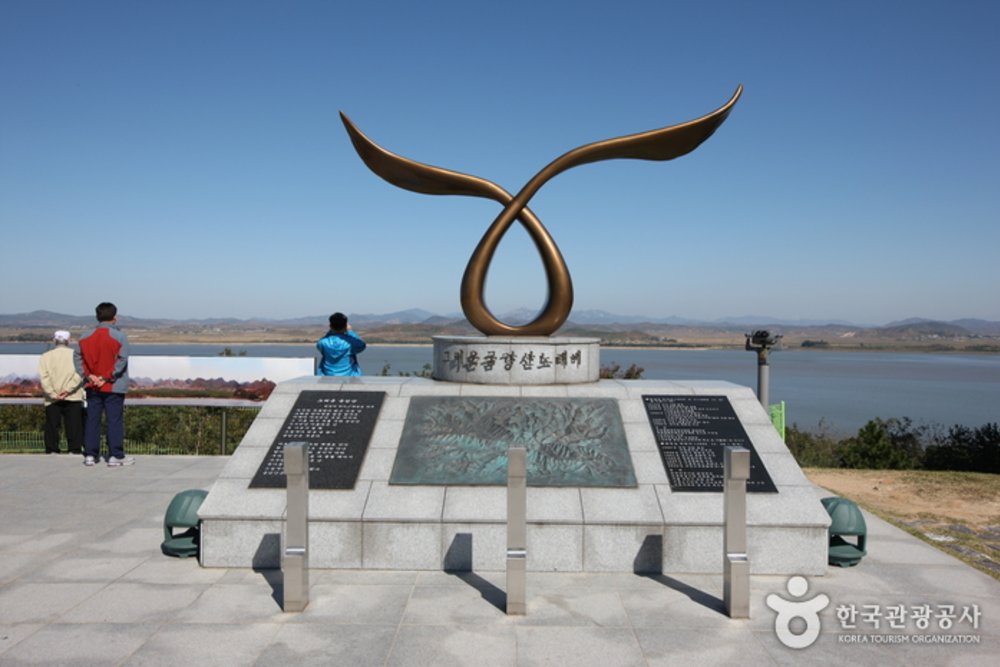
Photo credit: Visit Korea
Nestled on Ganghwa-do Island (the closest island to North Korea!), Ganghwa Peace Observatory gives you the rare opportunity to peer into North Korea. On top of detailed exhibitions, you’ll also find a park with South Korean tanks. There’s also a heartwarming area packed with notes from hopeful visitors wishing for the reunification of the two Koreas.
#KlookTip: Don’t forget to have identification with you, as your car might be stopped for checks on the way up to the observatory.
Joint Security Area

Photo credit: Henrik Ishihara Globaljuggler on WikiMedia Commons
Going by the name of Panmunjeom, the Joint Security Area is a part of the DMZ that constitutes the border between the two countries. Indeed, you can step foot into North Korea here! You’ll only get to see this area on a tour, which normally includes the 3rd Infiltration Tunnel, Dora Train Station (which was previously used to connect North and South Korea), Dora Observatory, and more.
Seorak Waterpia
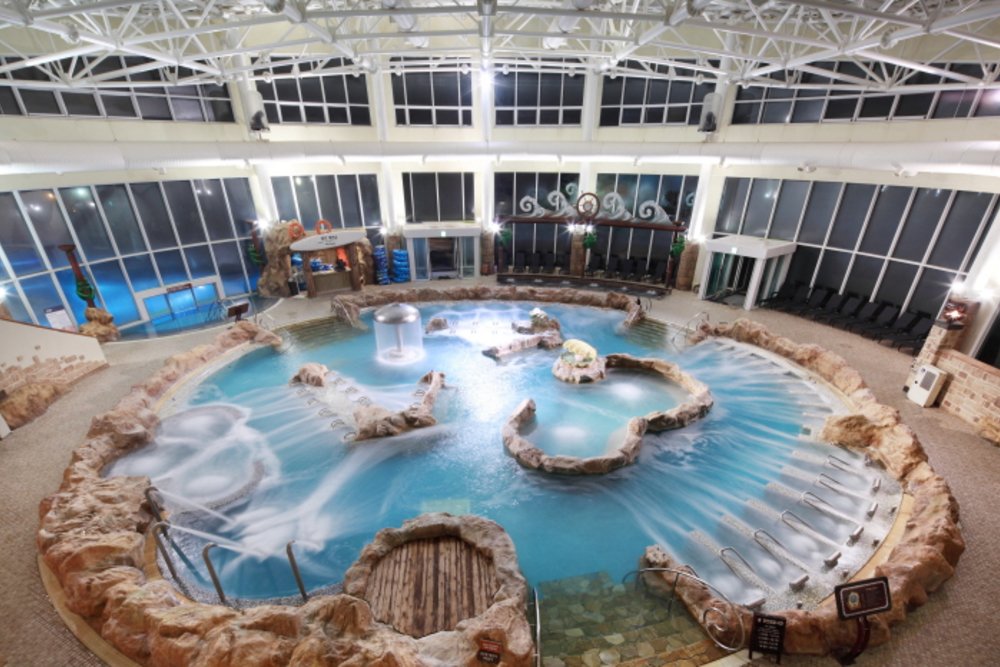
Photo credit: Visit Korea
Trust us, the whole family will love a trip to Seorak Waterpia! Let the kids loose at the water slide and wave pool, whilst the adults relax at the spa zone. Fed by natural hot spring water, the spa zone comprises both indoor and outdoor saunas, as well as a rooftop spa.
Other pitstops to check out:
- Jeondeungsa Temple
- Teddy Bear Farm
- Seorak National Park
- Hearts Alive Museum
4. Gangwon Nature Road
Gangwon Nature Road consists of not one driving route, but a whopping seven altogether! Choose from scenic lakeside, mountainous, or countryside drives, all of which come with gorgeous views to boot.
- Course 1: Gangchon Ic to Nam-myeon, Inje
- Course 2: Nam-myeon, Inje to N. Yangyang IC
- Course 3: N. Yangyang IC to Pyeongchang IC
- Course 4: Pyeongchang IC to Jeongseon
- Course 5: Jeongseon to Samcheok
- Course 6: Samcheok to Pyeongchang IC
- Course 7: Pyeongchang IC to Gangchon IC
Bookmark this website for more information on the various courses.
Highlights
Soyang Lake
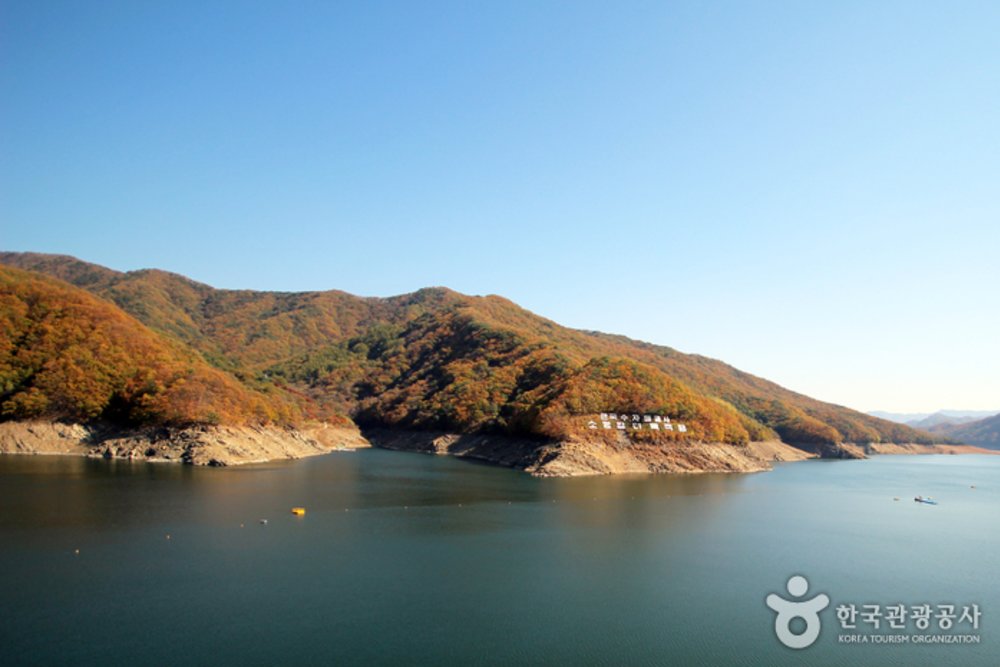
Photo credit: Visit Korea
Boasting majestic mountain views, Soyang Lake is Korea’s largest manmade lake. Take a boat ride to Cheongpyeongsa Temple, stroll along Soyang Dam, and walk out onto the glass-floored Sorak Skywalk (if you dare!).
Wonju Ganhyeon Swinging Bridge

A filming location of the hit K-drama ‘It’s Okay Not to Be Okay’, the Wonju Ganhyeon Swinging Bridge is Korea’s longest pedestrian bridge. Spanning a length of 200 metres, the bridge dangles 100 metres in the air. There’s even a glass-floored section for added thrills! If you can’t get enough, the nearby Wonju Railbike is also great for all ages.
Hoengseong National SoopCheWon
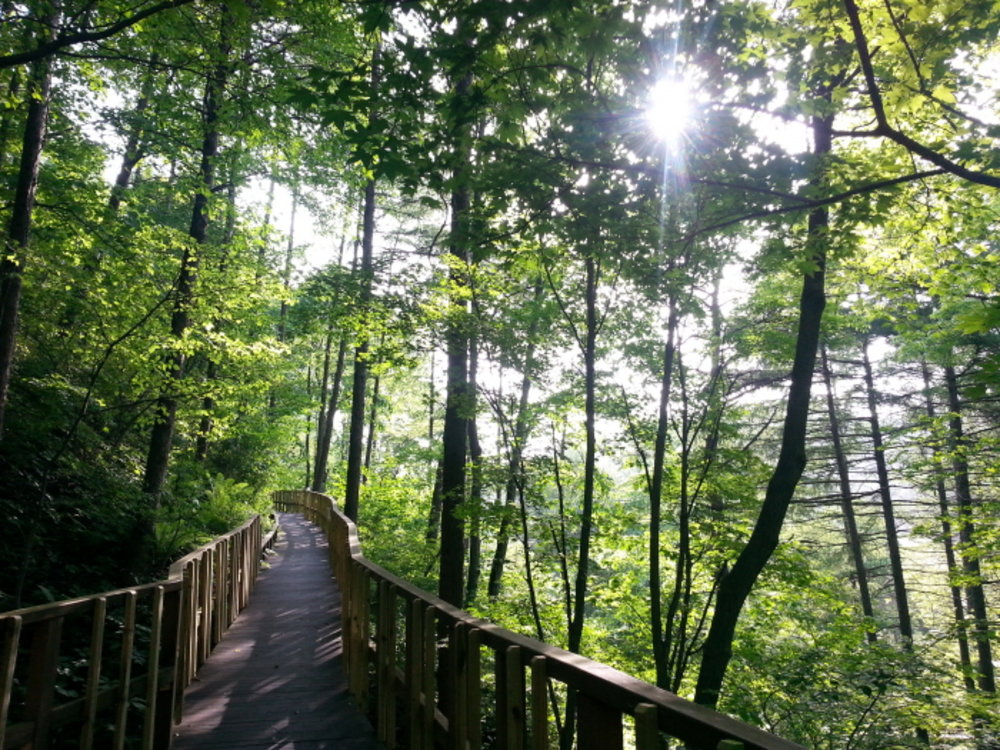
Photo credit: Visit Korea
Found on Cheongtaesan Mountain, Hoengseong National SoopCheWon is the first national forest education centre in Korea. Stroll along the Neulsolgil trail to the Forest Healing Centre, where you can participate in various wellness programs like walking barefoot through the lush forest.
Deokbongsan Ocean Eco Trail
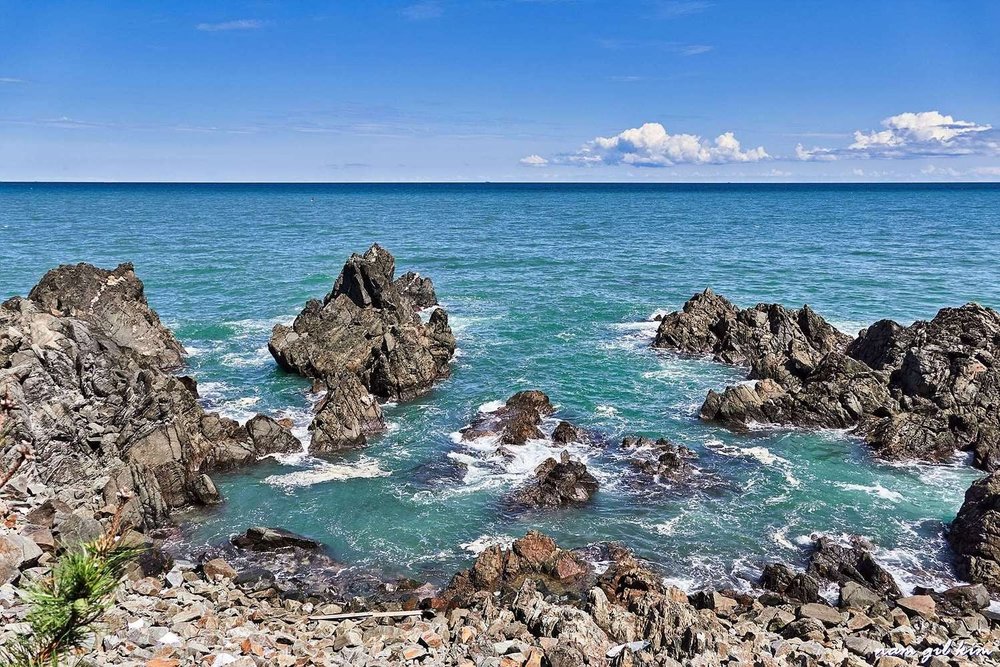
Photo credit: Gangwon State on Facebook
For gorgeous views, head to the Deokbongsan Ocean Eco Trail. There are two routes available: take course A to Deokbongsan Mountain’s summit (317 metres); or course B, which is a loop along the mountain base and coast. Cater lots of time for photos, as you’ll be greeted with magnificent views every step of the way!
Gangneung Animok Coffee Street
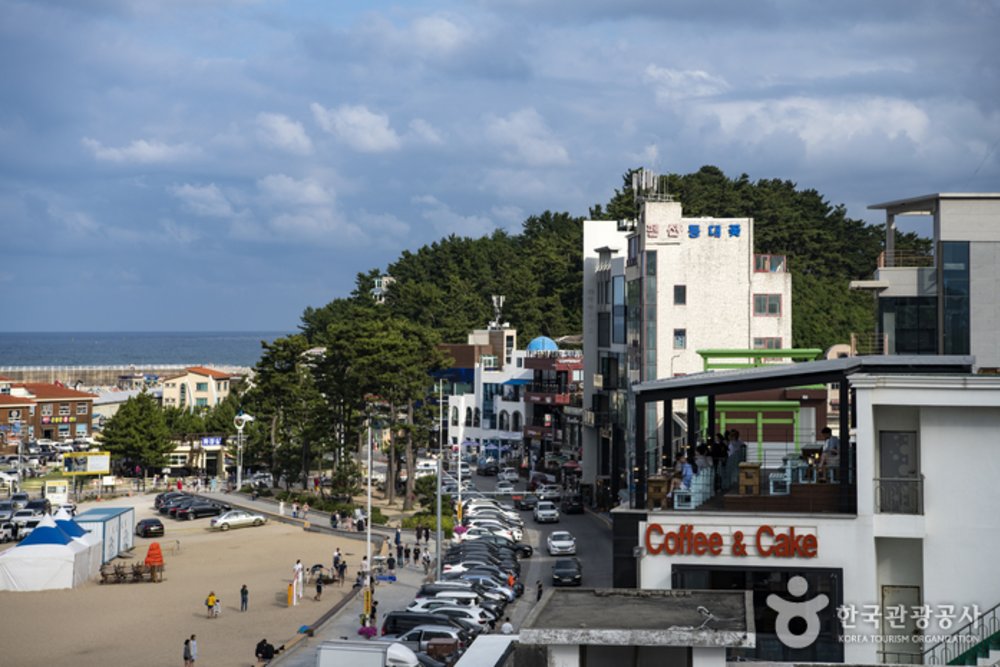
Photo credit: Visit Korea
Get your caffeine kick at Gangneung Animok Coffee Street, which is packed with a whole line-up of coffee joints. Almost all of these roast their own coffee beans, with some cafés enticing with fantastic views of the ocean.
Other pitstops to check out:
- Chuncheon Skywalk
- Yangyang Jeongam beach
- Taebaek Cheoram Coal Mine History Village
- Pyeongchang Wojeolsa fir forest
- Chuam Chotdaebawi ‘candlestick’ rock
5. Jeju Island
Looking to experience the natural wonders of South Korea? Jeju Island might be right up your alley. Known as the ‘Hawaii of Korea’, the volcanic island is three or four times the size of Singapore! The island is best explored by car, allowing you to take your time to explore its awe-inspiring sights.
There are so many activities to do as well — be spoiled for choice with a fishing tour, a sea walking adventure, or an ATV escapade. Otherwise, take some pictures for the history books with this hanbok photography service.
Highlights
Jeongbang Waterfall
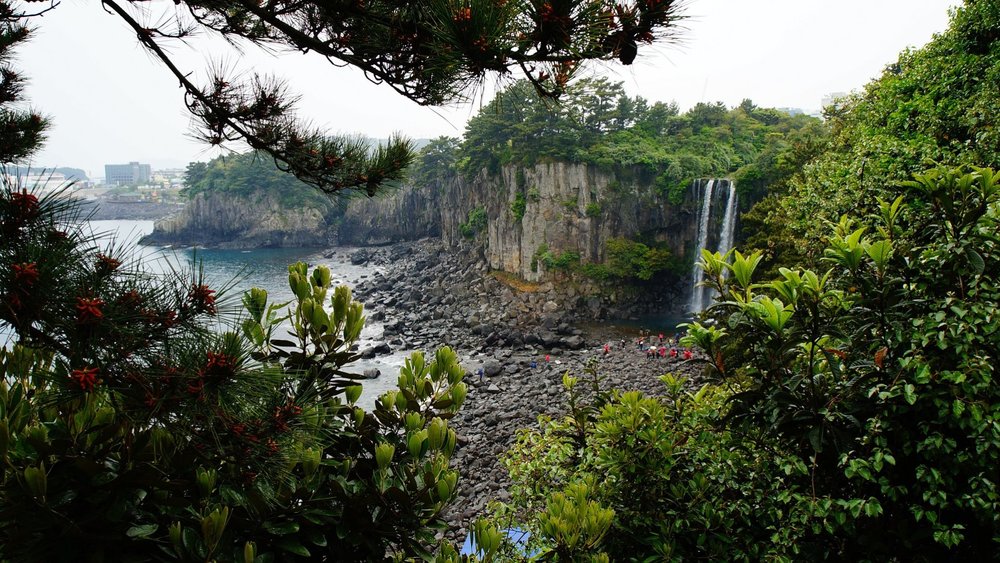
Image credit: REXLUNA on Pixabay
Feast your eyes on Jeongbang Waterfall, the only waterfall in Korea where the water flows directly into the sea. Standing at 23 metres tall, the waterfall, together with the black cliff and pine trees, was designated one of Yeongju’s top ten scenic sights. It’s really easy to get to as well; simply descend a flight of stairs from the carpark to reach the waterfall.
Osulloc Tea Museum

Photo credit: Osulloc Tea Museum
Just look at that view! Venture to Osulloc Tea Museum for a magnificent view of a tea plantation, on top of learning more about Korea’s traditional tea culture. Learn all about the history of Korean tea, experience a traditional tea ceremony, and tuck into tea-based desserts at the café.
Manjanggul Lava Tube
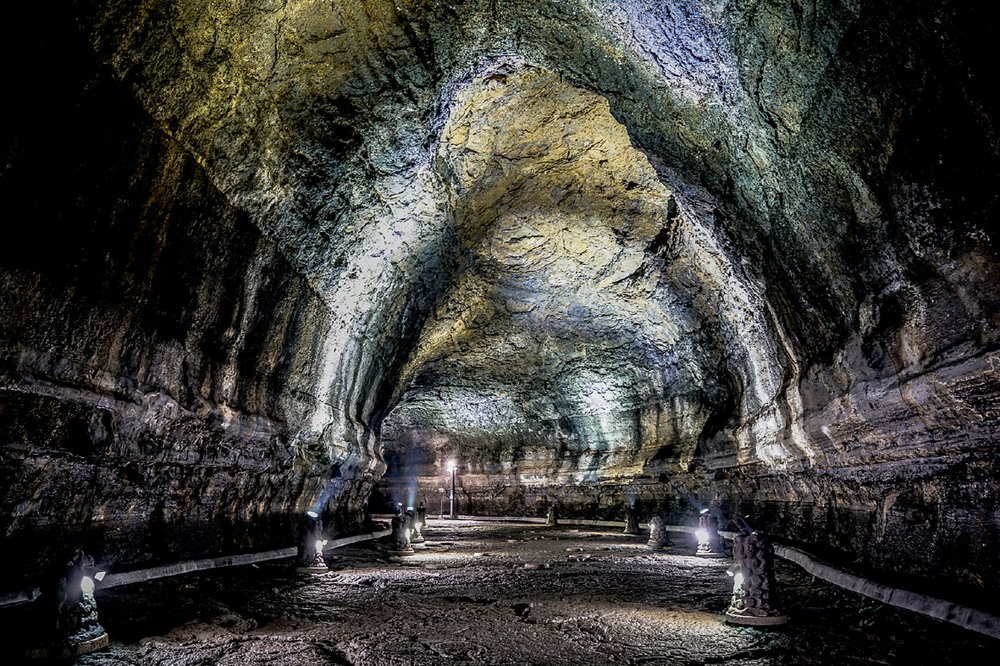
Photo credit: Visit Jeju
Stretching a length of 7.4 kilometres, Manjanggul Lava Tube is one of the largest lava tubes in the world. Formed thousands of years ago, only one kilometre of the UNESCO World Natural Heritage site is open to the public. Feast your eyes on impressive formations like stalagmites, stalactites, lava shelves, and more. Don’t miss out on the 7.6-metre-tall lava column at the end, which is the highest in the world!
Mt. Hallasan
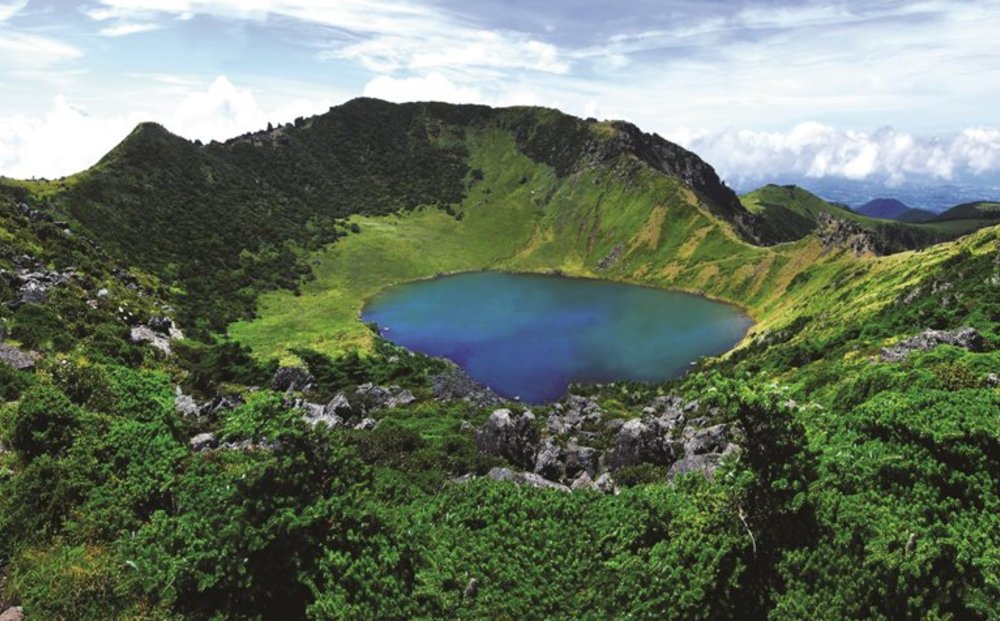
Photo credit: Visit Jeju
Mt. Hallasan is one of Jeju’s most famous landmarks, and is said to be one of Korea’s three spirit mountains. In fact, it’s the tallest mountain in South Korea! Choose from seven trails, but only two trails (Seongpanal and Gwaneumsa) will bring you to the summit. If you intend on tackling the summit, it’s best to start your hike early as it takes around five hours one way.
Timing-wise, for the Gwaneumsa trail, you’ll have to get to the Samgakbong Shelter by 12.30pm; any later, and you won’t be able to proceed further up the mountain. Hikers at the summit will also have to start descending no later than 2pm. For beginners, it might be easier to start with the Eoseungsaengak trail, which takes just 30 minutes to complete.
#KlookTip: Hikers intending on taking the Seongpanak and Gwaneumsa trails to the summit must first make a reservation online. Alternatively, you can also make a reservation at the Jeju Tourist Information Centre.
Waterworld Digital Theme Park
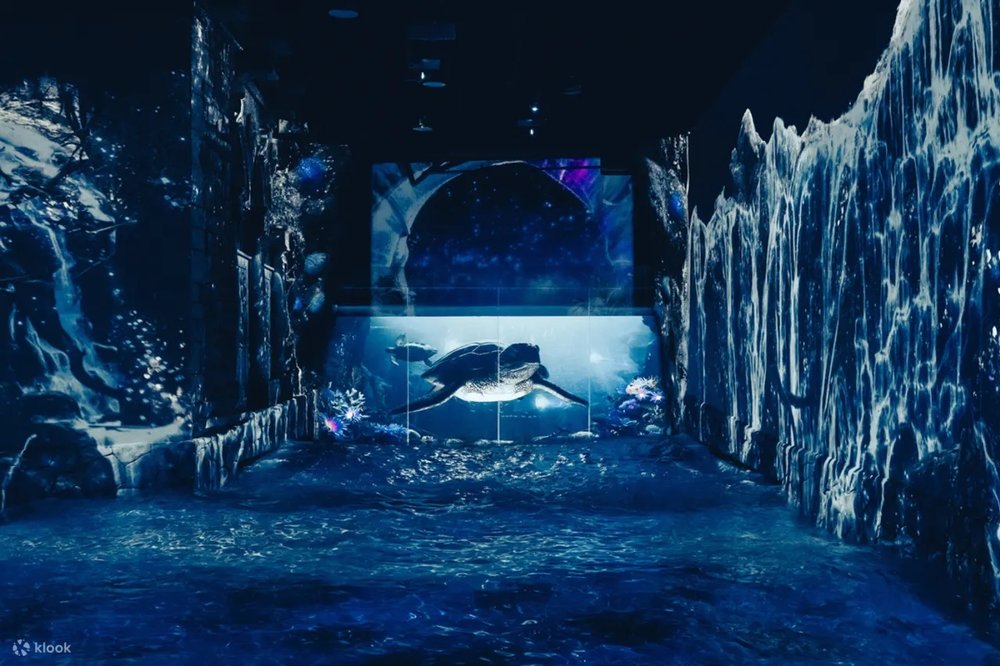
Photo credit: Visit Jeju
Waterworld Digital Theme Park is Korea’s first water-themed digital theme park, which wows with 12 different experiences. Expect stunning media displays, immersive soundscapes, and plenty of photo spots. Upon arrival, each visitor will also receive aqua socks and towels. You’ll get wet at certain areas, such as at the Whirlpool, where you’ll have the chance to walk on a large whirlpool-like feature.
#KlookTip: Don’t worry about feeling cold, as the park is heated during both the fall and winter.
Other pitstops to check out:
- Seongsan Sunrise Peak
- Hallim Park
- Yongmeori Coast
- Daepo Jusangjeolli Cliff
More Korea Inspo

What is Klook?
Klook is a leading pan-regional experiences platform in Asia Pacific, purpose built to digitalize experiences and make them accessible to every traveler.
Our mission is to build the digital infrastructure for the global experience economy — empowering merchants to share their passions and travelers to discover the heartbeat of each destination. We operate a mobile-first, curated platform featuring diverse experiences across global destinations.
✨ Follow us for more deals and inspiration for your upcoming travels