Tickets for the Shaanxi Song and Dance Theater's "Qin Baby" performance
All Six Intangible Cultural Heritage Performances of Qin腔 Opera Unveiled: Qin腔 Opera + Huayin Laoqiang + Intangible Cultural Heritage Shadow Puppetry + Wanwan腔 Opera + Puppets + Opera Techniques, all come together at the Shaanxi Opera House in "Qin Baby".
Shaanxi Grand Theatre of Song and Dance
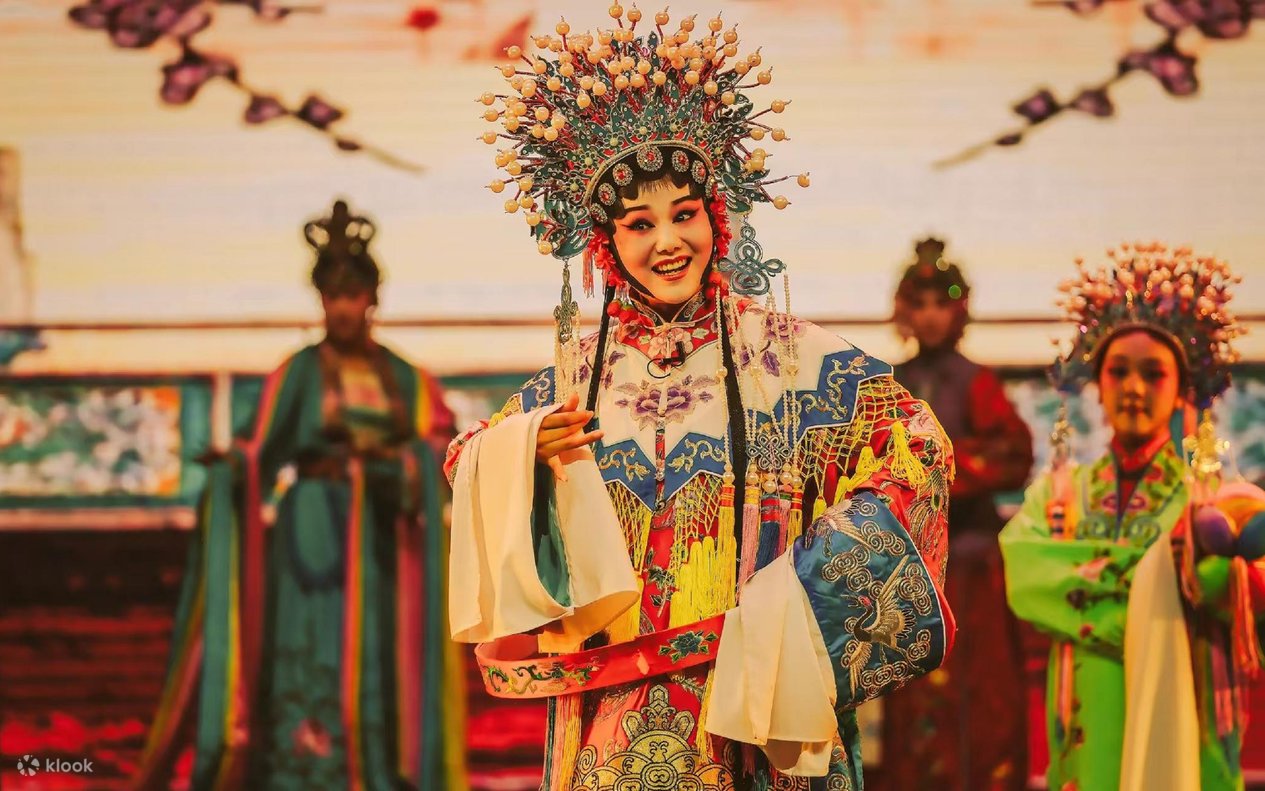
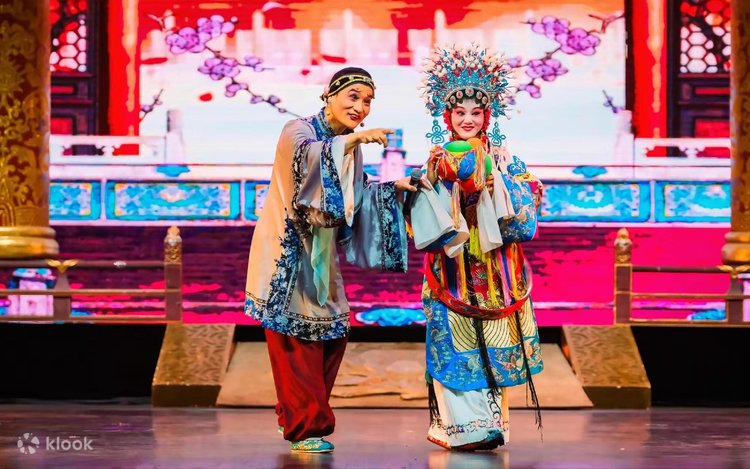
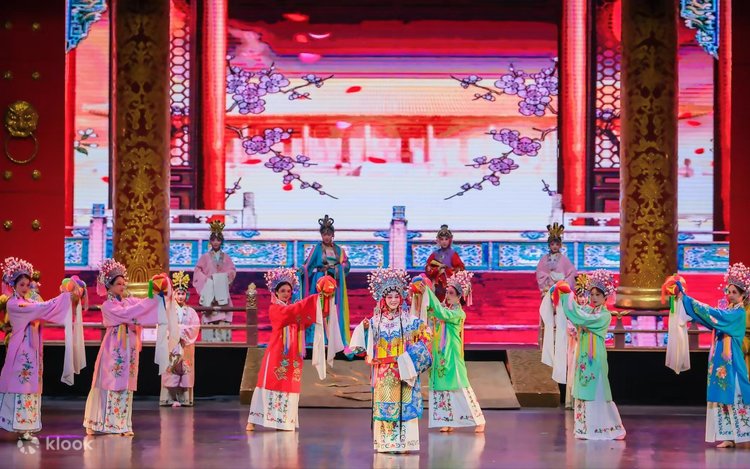
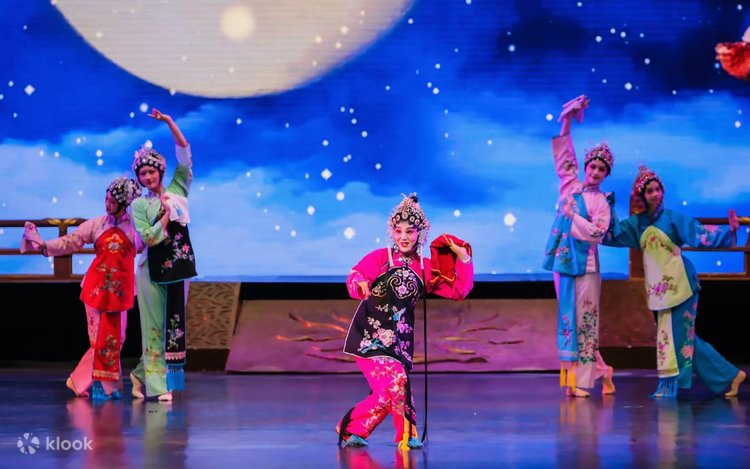

- 《Diverse Intangible Cultural Heritage Integration, Experience Cultural Charm》Skillfully connects a series of national intangible cultural heritages such as Qin腔 (Qin Opera), HuaYin Lao腔 (HuaYin Old Tune), Shadow Puppetry, WanWan腔 (WanWan Tune), Rod Puppets, and Opera Techniques. In a 40-minute performance, the audience can immerse themselves in the profound intangible cultural heritage of Shaanxi and experience the authentic Guanzhong folk customs.
- 《Innovative Expression Forms, Full Stage Effect》The performance combines ancient intangible cultural heritage with modern stage performance techniques. For example, in the lighting design, the changes of light and shadow are used to create a shocking visual effect with the exciting singing of Qin腔 (Qin Opera) and the majestic momentum of HuaYin Lao腔 (HuaYin Old Tune); in the plot arrangement, two Qin腔 (Qin Opera) clowns are used as a connection to make the performance rhythm compact, full of fun and interaction, with constant highlights.
- 《Strong Cast Lineup, Interpreting Classic Charm》It brings together national intangible cultural heritage inheritors, national first- and second-class performing artists, and many young opera inheritors in Shaanxi Province. The veteran artists use their profound skills and rich experience to accurately interpret the roles. The young inheritors are agile and have beautiful singing voices, bringing vitality and innovation. The combination of old and new presents a high-level performance for the audience.
- 《Historical and Cultural Connotation, Feeling the Spiritual Inheritance》Through the interpretation of classic stories, the audience can feel the local culture and tenacious spirit of Shaanxi, and gain spiritual encouragement and cultural nourishment.
- 《VIP Exclusive Courtesy, Taste Elegant Viewing》Audiences who purchase VIP seats can enjoy exclusive benefits - a complimentary exquisite tea, while watching the wonderful performance, savoring the tea fragrance, relaxing the body and mind, so that the simple and rich cultural charm and fresh tea fragrance blend together, from visual, auditory to taste, all-round upgrade viewing experience, feel the perfect combination of traditional art and elegant life.
Offers for you
5 off
What to expect
- The Shaanxi Opera Intangible Cultural Heritage Special "Qin Baby" performance includes "Intangible Cultural Heritage Shadow Play" - "Qin腔" (Qin Opera) - "碗碗腔" (Wan Wan Qiang) - "Rod Puppets" - "华阴老腔" (Huayin Lao腔) - "Opera Skills," etc. The performance order is subject to the actual on-site arrangement.
- Shaanxi Qin Opera Intangible Cultural Heritage "Qin Baby" brings together national-level intangible cultural heritage inheritors, national first- and second-class performing artists, and many young opera inheritors from Shaanxi Province. With their superb skills and profound artistic accomplishments, they bring a high-level performance to the audience. It connects a series of intangible cultural heritages such as Qin Opera, Huayin Lao腔, Shadow Play, Wan Wan Qiang, Rod Puppets, and Opera Skills, demonstrating the charm of various traditional art forms.
- Taking Qin Opera as the core, it integrates a variety of local Shaanxi intangible cultural heritage elements, comprehensively displaying Shaanxi's local culture, folk customs, and tenacious spirit. It is a concentrated display of Shaanxi's intangible cultural heritage. In the 40-minute performance, through innovative choreography and performance forms, the ancient intangible cultural heritage is combined with modern stage performance techniques, with constant highlights, providing the audience with a visual and cultural feast.
- Qin Opera: A traditional opera genre in Northwest China with a long history, characterized by its high-pitched and passionate singing, wide and loud voice, divided into joyful and sorrowful tones. The performance is simple, bold, and unrestrained, with exaggeration, rich character roles, and diverse facial makeup colors and patterns.
- Huayin Lao腔: A traditional opera genre in Huayin area, Shaanxi Province, originating in the Qing Dynasty, and is known as the "national essence" of northern Shaanxi. Its singing is bold and激昂, with a strong appeal. The performance form is unique, usually performed by multiple people in coordination. The lead singer has a high-pitched voice, supplemented by chorus. The instruments include clappers, moon lute, and banhu, with a strong rhythm, which can create a magnificent momentum.
- Shadow Play: It originated in the Western Han Dynasty. It uses transparent shadow puppets to project onto a screen under the light, and tells stories by manipulating the shadow puppets. During the performance, the artist manipulates the shadow puppets and sings behind the scenes, accompanied by music. The shadow puppets are exquisitely made, with bright colors and vivid characters. Their movements are vividly presented on the screen through the artist's skillful manipulation.
- Wan Wan Qiang: Mainly popular in Shaanxi Province, it originated from the singing form of folk artists in the Ming and Qing Dynasties. When singing, young male, young female, and Qingyi roles combine real and falsetto voices. Most of the pronunciation uses real voice, and the trailing tone uses falsetto. Old male, Xusheng (bearded male), old female, and clown roles all use real voices.
- Rod Puppets: A traditional puppet show form, originating from Chinese folk art. It consists of a wooden head and a handle. The actor holds the handle of the rod puppet to control the puppet's movements and expressions for performance. Through superb skills, the artists make the puppets perform various vivid actions, such as walking, fighting, dancing, etc., as if giving the puppets life, often performing some traditional opera stories.
- Opera Skills: It includes many rich and diverse performance skills, such as face-changing, fire-breathing, sleeve-flicking, and spear-kicking. Face-changing can instantly change the character's facial makeup, showing different expressions and temperaments; fire-breathing is when the actor spits flames from his mouth, creating a shocking stage effect; sleeve-flicking expresses the character's emotions and mood changes through various graceful flicking movements; spear-kicking and other skills demonstrate the actor's superb physical coordination and martial arts skills, adding exciting and stimulating elements to the performance.

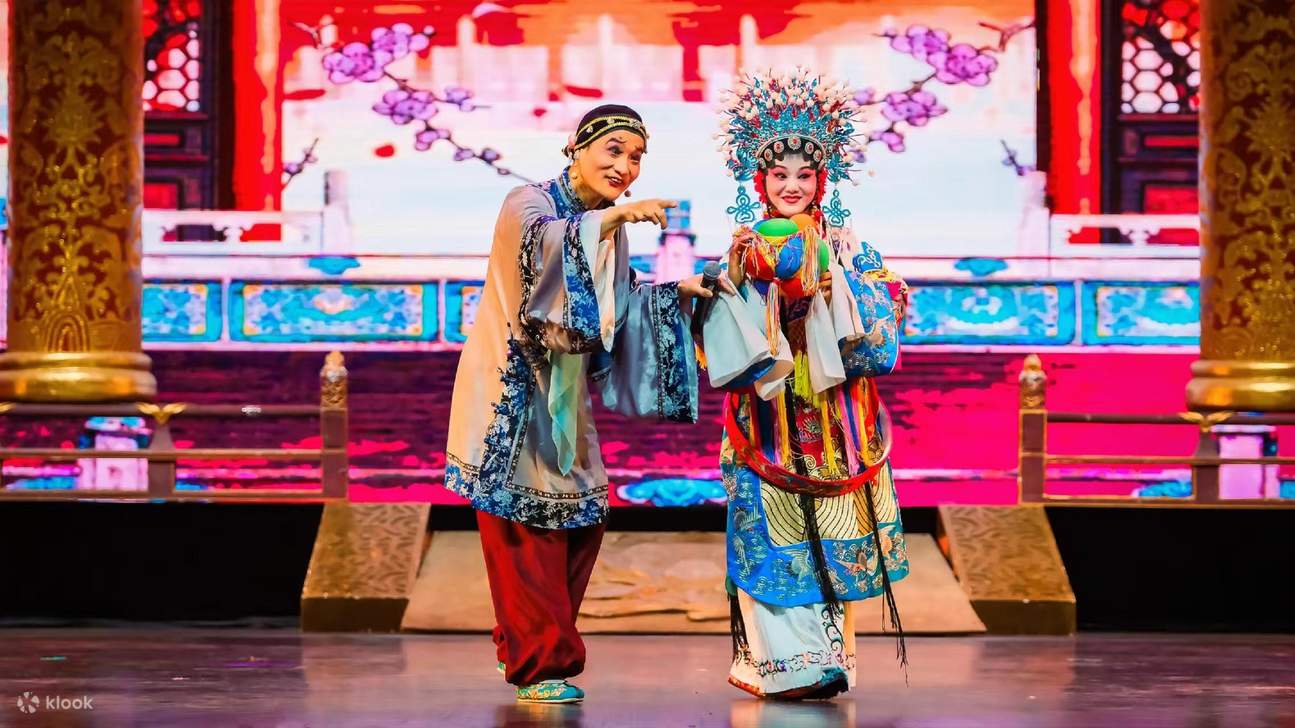
Qin腔 (Qinqiang Opera) is popular in the Northwest regions of China, including Shaanxi, Gansu, Qinghai, Ningxia, and Xinjiang. Because Qinqiang Opera uses jujube wood clappers as a percussion instrument, it is also known as "梆子腔" (Bangzi Opera).

Qin腔 (Qin Opera) is divided into two main styles: "joyful tune" and "bitter tune." The former excels at expressing cheerful and joyful emotions, while the latter is adept at conveying sorrowful and tragic feelings. Qin腔 performances are simple, bold, deli

Wanwan腔 opera originated from the performing styles of folk artists during the Ming and Qing Dynasties.

During performances, young male roles, young female roles, and Qingyi roles combine both natural and falsetto voices, with clear articulation primarily using natural voice, and extended notes often employing falsetto. Older male roles, bearded male roles,

Hua Yin Lao Qiang is a family opera originating in the late Ming and early Qing dynasties in Quan Dian Village, Huayin City, Shaanxi Province, passed down exclusively within the Zhang family.


Its vocal style is known for being firm, high-pitched, vigorous, and bold, pursuing a sense of freedom and uninhibited pleasure. It sounds like a robust man from western China singing about the mighty river flowing eastward, and this performance style is

Hand puppets, known in ancient times as "rod puppets," are manipulated to complete actions. They are hollow inside, with movable eyes and mouths. A wooden stick or bamboo pole is attached below the neck, and the performer controls the puppet with two rods


The shadow play "Crane and Tortoise" is a traditional Chinese opera performance. It uses transparent leather puppets that are illuminated and projected onto a screen. The puppets are manipulated to tell stories, convey values, and showcase artistic expres

Shadow puppetry originated in the Western Han Dynasty and has a history of over 2,000 years.

The opera performance showcases a variety of elaborate techniques, including face-changing, fire-breathing, sleeve-waving, and spear-kicking.


Sleeve flicks express the character's emotions and mood changes through various graceful swinging movements.


Shaanxi Grand Theater of Song and Dance (Exterior)


Shaanxi Grand Theater "Qin Dynasty Baby" seating chart. Seat selection is not supported; only zone selection is available.
Good to know
- Theater Address: Shaanxi Provincial Song and Dance Grand Theater, 161 Wenyi North Road, Beilin District, Xi'an, Shaanxi Province
- Theater Opening Hours: Monday to Sunday 09:00~22:30
- Show Times: 13:00 show; 17:00 show
- Ticket check-in begins 30 minutes before the show. Please arrive approximately 1 hour before the show to redeem your tickets.
- Redemption Method: Present the name used when placing the order on Klook at the Shaanxi Provincial Song and Dance Grand Theater to redeem your entry.
Location
Contact us
Got a question about this activity? Ask us on live chat!